Mouse Exterminator Cost: What Professional Mouse Control Costs
Professional mouse extermination commonly costs about $150 to $550 for a typical residential mouse-control job in the United States.
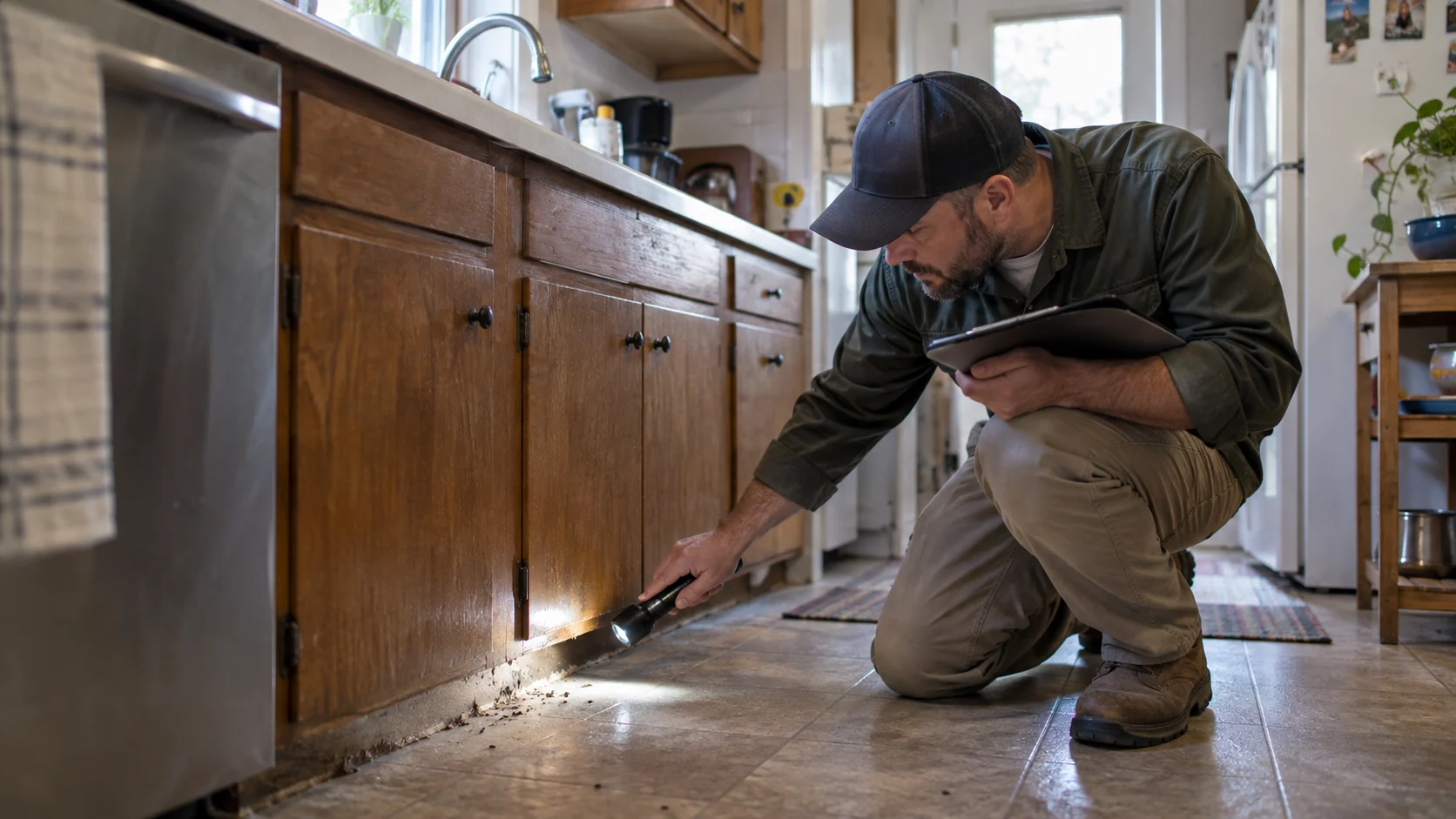
Professional mouse extermination commonly costs about $150 to $550 for a typical residential mouse-control job in the United States.
That range is useful for planning, but it is not a guaranteed quote.
A straightforward problem limited to one accessible area may fall near the lower end. A more complicated infestation involving several rooms, wall voids, an attic, crawl-space access, structural exclusion, contaminated insulation, or repeated follow-up can cost much more.
The biggest pricing mistake is comparing only the advertised starting price.
Two companies may both advertise mouse control, but one quote may include only the initial visit and traps while another includes inspection, several follow-ups, exclusion, monitoring, and a warranty.
This guide explains typical mouse exterminator costs, what affects the price, what may be included, which services are often separate, and how to compare quotes without paying for work you do not need.
Average Mouse Exterminator Cost
For many ordinary residential jobs, a reasonable national planning range is:
- Typical mouse-control service: about $150–$550
- Inspection only: often about $75–$200
- Basic trapping service: often about $150–$475
- Follow-up visit when priced separately: often about $50–$150
- Exclusion: commonly adds several hundred dollars and can cost more when many openings or difficult repairs are involved
These are planning ranges, not fixed national prices.
Actual cost depends on:
- location
- service company
- infestation severity
- number of visits
- size of the home
- access difficulty
- exclusion work
- cleanup
- repairs
- warranty terms
A large or heavily contaminated project can move far beyond the typical range.
Why Mouse Exterminator Prices Vary So Much
Mouse control is not a single standardized service.
One homeowner may need:
- inspection
- six strategically placed traps
- one follow-up
Another may need:
- inspection
- traps throughout several rooms
- attic monitoring
- garage work
- exterior exclusion
- multiple follow-ups
- contaminated insulation cleanup
Those are completely different jobs.
The price should reflect the scope of work rather than simply the number of mice you have seen.
Cost by Service Scope
A useful way to understand pricing is to separate the service into components.
Inspection
A professional inspection may cost around $75 to $200 when billed separately.
Some companies:
- charge for the inspection
- apply the inspection fee toward treatment
- provide a free inspection with service
- include inspection in a package
The value of the inspection depends on what the technician actually checks.
A useful mouse inspection should look at:
- droppings
- travel routes
- food sources
- utility penetrations
- garage-door gaps
- attic or crawl-space access
- exterior entry points
For more detail on the process, see Mouse Exterminator: What to Expect & When to Call One.
Basic Trapping
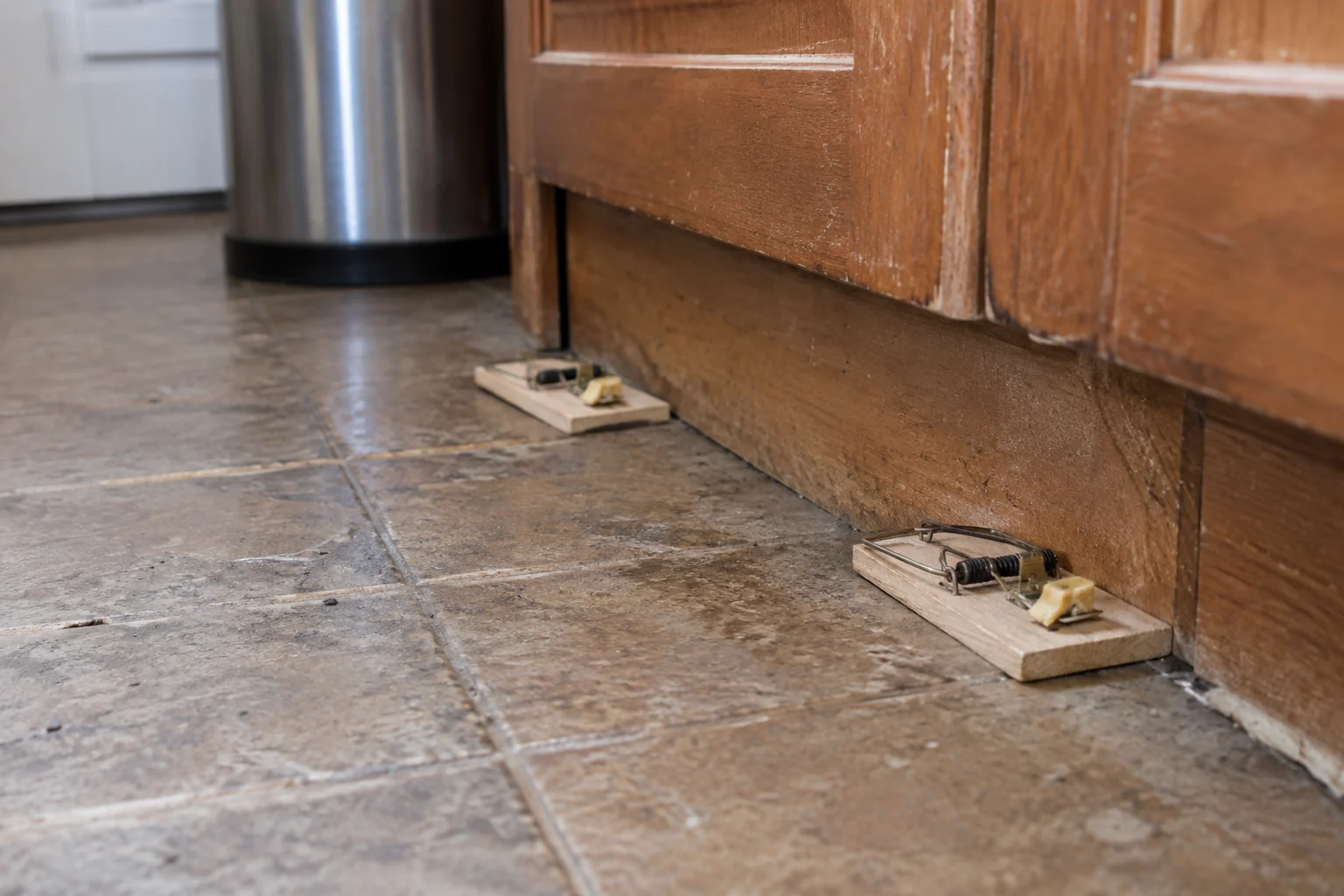
A basic professional trapping service may fall around $150 to $475, depending on the number of traps, labor, access, and follow-up.
The price may include:
- initial inspection
- trap placement
- one or more return visits
- removal of captured mice
Do not assume all follow-up visits are included.
Ask before approving the service.
Follow-Up Visits
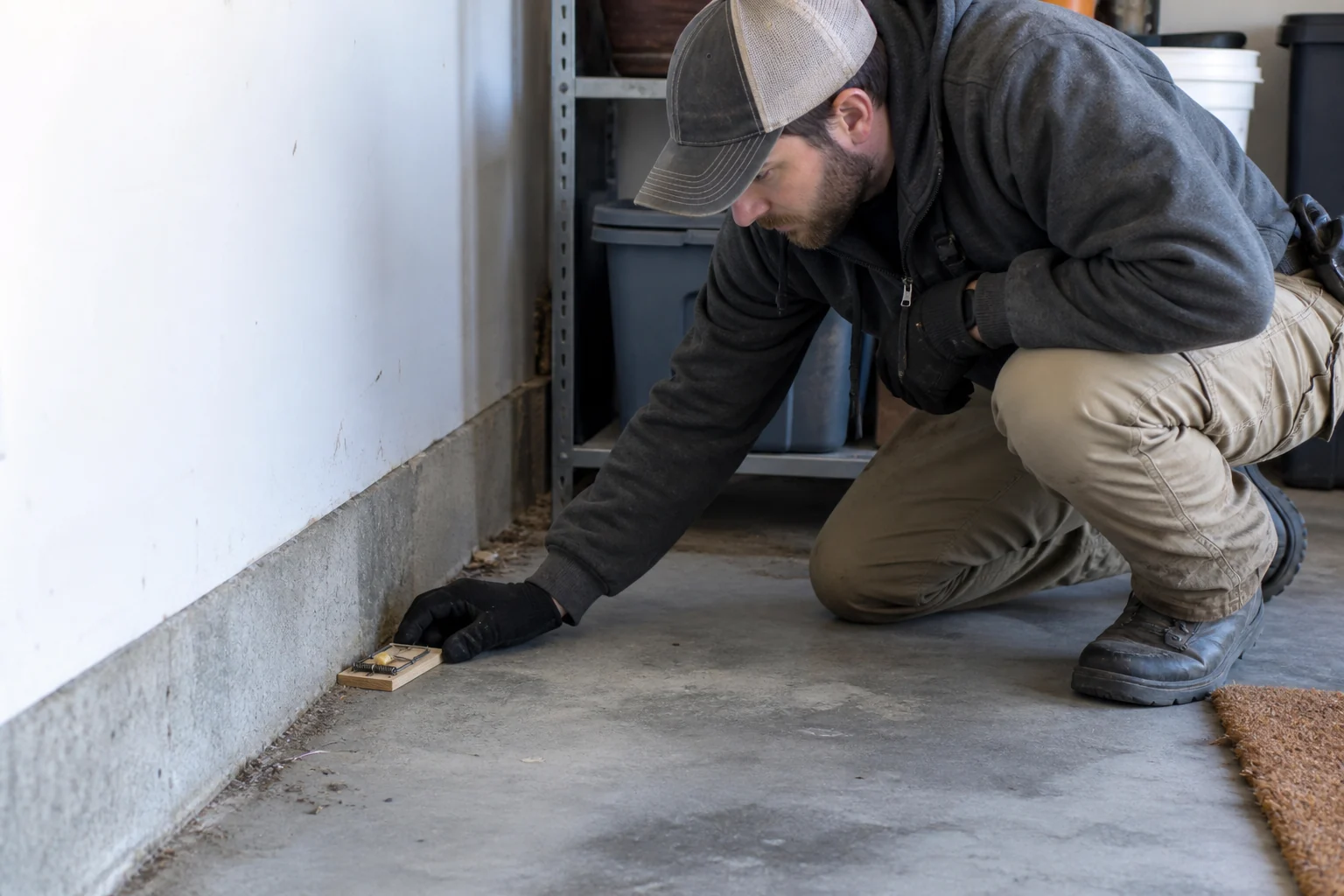
When follow-up visits are billed separately, they often fall around $50 to $150 per visit.
A follow-up may include:
- checking traps
- resetting traps
- moving traps
- removing captures
- looking for fresh droppings
- adjusting the treatment plan
Some companies bundle several follow-ups into one fixed price.
Others charge for each return.
Exclusion
Mouse exclusion means sealing the openings mice use to enter.
This can add several hundred dollars to the job and may cost substantially more when the house has:
- many gaps
- difficult roofline access
- damaged garage-door seals
- crawl-space openings
- siding defects
- numerous utility penetrations
A small repair around one pipe is very different from whole-home exclusion.
Ask whether exclusion is:
- included
- optional
- priced separately
- limited to specific openings
- covered by a warranty
See How Mice Get Into Your House for the most common entry points.
Cleanup
Cleanup is often separate from extermination.
The price can rise when there are:
- widespread droppings
- contaminated nesting material
- attic contamination
- crawl-space contamination
- dead mice
- damaged insulation
A small localized cleanup is very different from removing contaminated attic insulation.
Do not assume the extermination price includes sanitation.
Typical Mouse-Control Price Scenarios
The total usually makes more sense when viewed as a service package.
Small, Accessible Mouse Problem
A limited mouse problem may involve:
- one kitchen or garage
- a small amount of fresh evidence
- an obvious travel route
- easy trap placement
- minimal exclusion
This type of job is more likely to fall near the lower part of the normal range.
Moderate Mouse Infestation
A moderate problem may involve:
- several rooms
- repeated droppings
- activity behind appliances
- multiple trap locations
- several follow-up visits
- some exclusion work
This type of job is more likely to move toward the middle or upper part of the typical range.
Complex Mouse Infestation
A complex job may involve:
- wall voids
- attic activity
- crawl-space activity
- many entry points
- contaminated insulation
- repeated reinfestation
- difficult structural access
The cost can rise far above the basic $150–$550 planning range.
At that point, the homeowner is paying for a broader rodent-control and building-exclusion project, not simply a few traps.
Does the Number of Mice Affect Cost?
Sometimes, but not directly.
A technician usually cannot count every mouse inside a building.
Instead, pricing is influenced by evidence such as:
- droppings in multiple areas
- repeated captures
- widespread food damage
- nesting material
- several active routes
- persistent activity after treatment
A larger infestation usually requires:
- more traps
- more labor
- more follow-up
- more monitoring
That increases cost.
Does Home Size Affect Mouse Exterminator Cost?
Yes, especially when inspection and exclusion are extensive.
A larger home may require:
- more inspection time
- more trap locations
- more exterior perimeter inspection
- more entry-point repairs
- more follow-up
But square footage alone does not determine the price.
A small home with mice in inaccessible walls can cost more than a large home with one obvious garage entry point.
Does Infestation Location Affect Cost?
Yes.
Accessible areas usually cost less to treat than difficult hidden areas.
Kitchen
Kitchen activity is often easier to inspect because droppings, food damage, and appliance routes are accessible.
Cost can still increase if mice are entering from hidden cabinet or wall voids.
Garage
Garage problems may be relatively straightforward when mice are entering through a visible door gap.
The cost rises if the garage connects to walls or attic spaces.
Attic
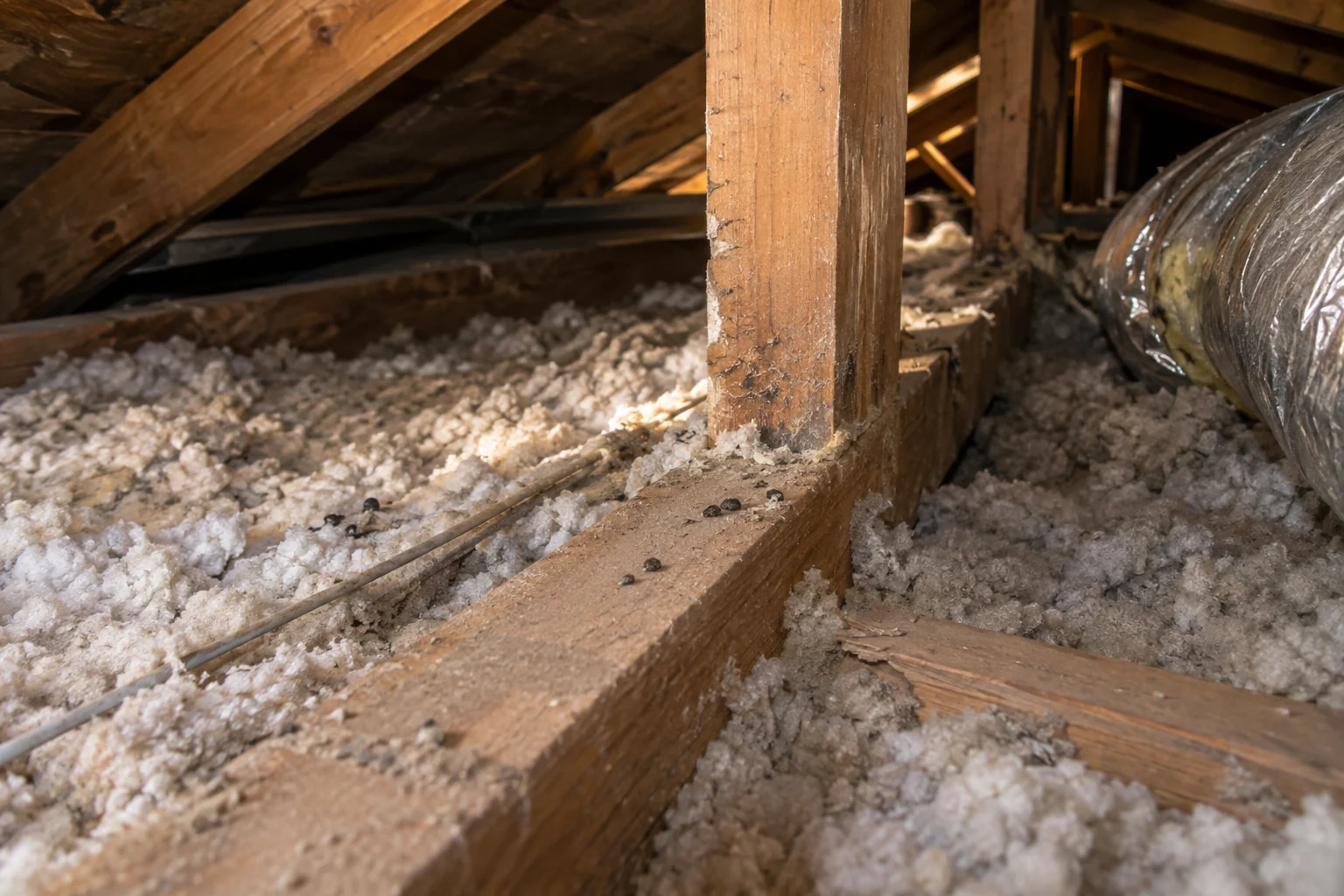
Attic mouse control can cost more because of:
- access difficulty
- insulation
- contamination
- roofline entry points
- additional exclusion work
See Mice in the Attic: Signs, Damage & Removal.
Walls
Mice inside walls can be more difficult because the animals are hidden.
A professional may need to identify accessible routes rather than opening the wall.
See Mice in Walls: Signs, Entry Points & What to Do.
Crawl Space
Crawl-space work may cost more when access is:
- tight
- dirty
- contaminated
- difficult to inspect
Some companies may charge separately for crawl-space remediation.
How Much Does Mouse Exclusion Cost?
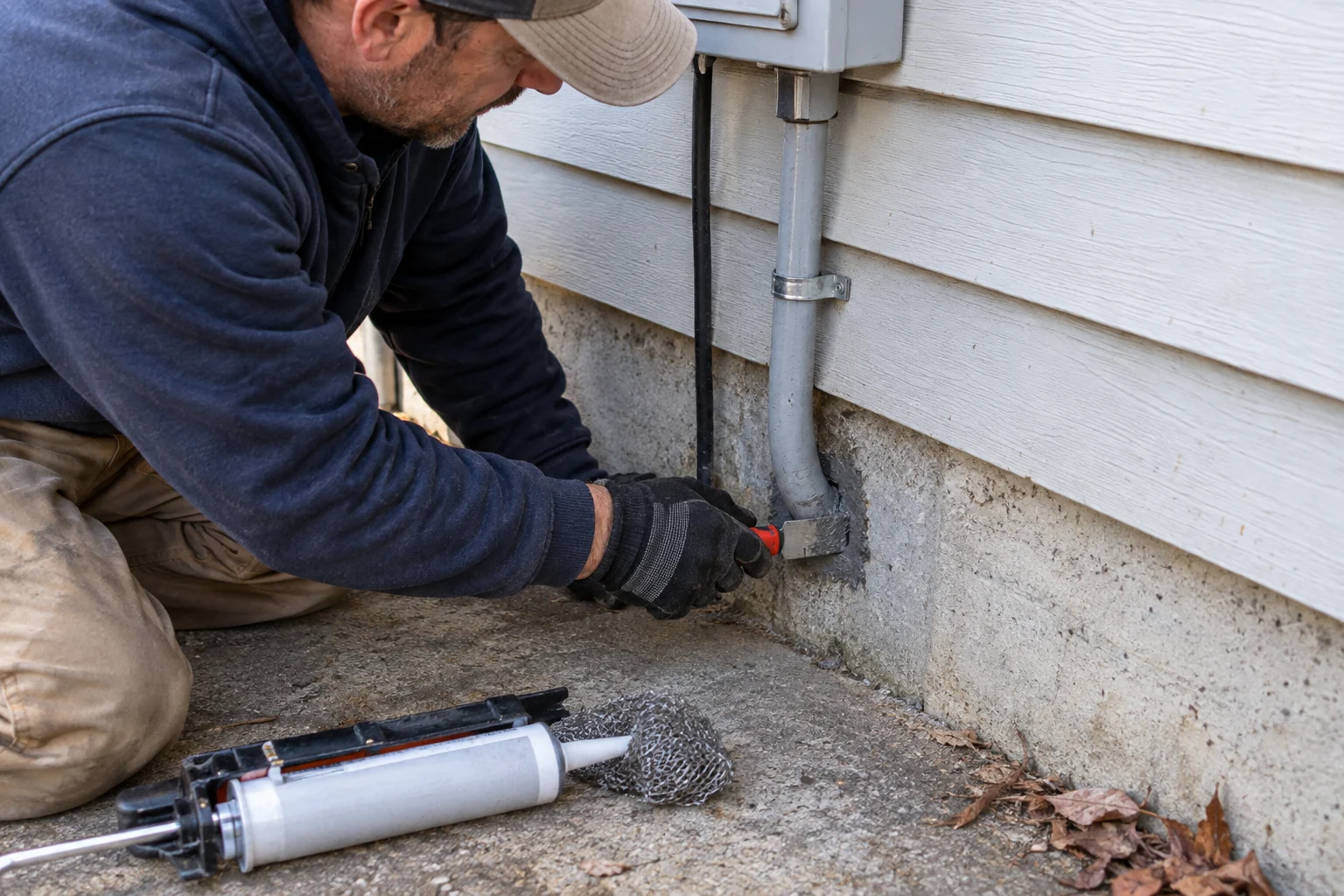
There is no single national mouse-exclusion price because the scope varies dramatically.
A few accessible gaps may cost only a few hundred dollars to address.
Whole-home exclusion involving:
- doors
- garage seals
- vents
- utilities
- siding
- foundations
- roofline openings
can cost much more.
The quote should identify the specific openings being repaired.
Be cautious with a large exclusion quote that does not explain what work will actually be done.
What Mouse Exclusion Should Include
Depending on the structure, exclusion may involve:
- door sweeps
- garage-door sealing
- utility-gap repair
- vent screening
- foundation repair
- siding repair
- soffit repair
- roofline repair
Repairs should use durable rodent-resistant materials appropriate for the building detail.
Soft foam alone is not a reliable long-term repair for many exposed rodent openings.
Does Mouse Extermination Include Sealing Holes?
Not automatically.
Some companies include limited sealing.
Some offer exclusion as an add-on.
Others do not provide structural repair at all.
Ask:
- Which holes will you seal?
- What material will you use?
- Are all exterior gaps included?
- Is roofline work included?
- Are repairs warrantied?
Do not assume "mouse extermination" and "mouse exclusion" mean the same thing.
How Much Do Mouse Traps Affect the Price?
Professional pricing is usually based more on labor and service than on the retail cost of the trap.
The total can increase when the technician needs:
- many traps
- difficult placement
- repeated resets
- frequent monitoring
- work in several rooms
The quality of placement matters more than simply using a large number of traps.
See Mouse Traps: Types, Placement & How to Use Them for trap-placement principles.
Does Baiting Cost More Than Trapping?
It depends on the company and treatment plan.
Some services use:
- traps only
- bait stations
- a combination
The price may reflect:
- number of stations
- monitoring
- follow-up visits
- product replacement
When rodenticides are used, they must be used according to the label and appropriate safety requirements.
A higher price does not necessarily mean a better method.
The method should fit the property and evidence.
One-Time Mouse Treatment vs Ongoing Service
Some companies offer one-time mouse treatment.
Others offer recurring pest-control plans that include rodent monitoring.
A recurring plan may cost more over a year but can include:
- regular inspections
- exterior monitoring
- ongoing bait-station service
- re-service between scheduled visits
Compare annual cost, not just the monthly amount.
If the only problem is a one-time mouse entry, a long recurring contract may not be necessary.
Does Mouse Cleanup Increase the Cost?
Yes.
Cleanup can add substantially to the project when there is extensive contamination.
Possible additional work includes:
- droppings cleanup
- nest removal
- dead-mouse removal
- insulation removal
- surface disinfection
- odor treatment
The extent of contamination matters more than the number of mice seen.
Fresh rodent droppings and nesting material should not be dry swept or vacuumed before proper disinfection.
See our cleanup section and rodent safety section for related guidance.
Can Mice Cause Repair Costs?
Yes.
Mouse damage may affect:
- food storage
- insulation
- flexible materials
- wood edges
- wiring insulation
Repairs are usually separate from pest-control pricing.
If wiring appears damaged, have the electrical system evaluated appropriately.
The exterminator may identify the damage but may not be licensed to repair it.
Does Location Affect Mouse Exterminator Cost?
Yes.
Labor rates and business costs differ by market.
Prices can vary between:
- major metro areas
- suburban markets
- rural areas
- high-cost states
- lower-cost regions
Travel distance can also affect service pricing.
National ranges are useful for planning, but local quotes matter more.
Does Time of Year Affect Cost?
Seasonal demand can affect availability and pricing in some markets.
Mouse pressure often increases when colder conditions drive rodents toward buildings.
However, the biggest cost factors are still:
- infestation complexity
- access
- number of visits
- exclusion
- cleanup
Do not delay an active infestation simply to wait for a different season.
Is a Free Mouse Inspection Really Free?
Sometimes.
A free inspection may be part of a sales process.
That is not automatically a problem.
What matters is whether the technician performs a real inspection and explains the evidence.
Ask for:
- specific findings
- active areas
- entry points
- treatment scope
- written pricing
Avoid approving expensive repairs based only on vague claims.
What Should Be Included in a Mouse Exterminator Quote?
A useful quote should identify:
- inspection
- treatment areas
- trap or bait methods
- number of follow-ups
- exclusion work
- cleanup
- materials
- warranty
- re-service terms
- total cost
The more specific the scope, the easier it is to compare companies.
Why the Cheapest Mouse Quote May Cost More Later
A low initial quote may cover only:
- one visit
- a few traps
- no follow-up
- no exclusion
If mice return, the homeowner may pay again.
A more complete service may cost more upfront but include the work needed to reduce reinfestation.
The goal is not to choose the highest quote.
It is to compare equal scopes.
Why the Most Expensive Quote Is Not Automatically Better
A large quote should be supported by evidence.
Ask the company to show:
- where mice are active
- which openings need repair
- what materials will be used
- which cleanup is necessary
- what follow-up is included
Do not pay for major remediation that cannot be explained.
Questions to Ask About Mouse Exterminator Cost
Before hiring a company, ask:
- Is inspection included?
- How many visits are included?
- Are traps included?
- Is exclusion included?
- Which gaps will be repaired?
- Is cleanup included?
- Are attic or crawl-space services extra?
- Is there a warranty?
- What causes additional charges?
- What happens if mice remain active?
These questions make estimates easier to compare.
DIY Mouse Control vs Hiring an Exterminator
DIY can be less expensive when:
- activity is limited
- the route is obvious
- mouse-sized traps can be placed safely
- entry points are easy to repair
Professional service may be worth the cost when:
- mice are in several rooms
- mice are active in walls
- an attic or crawl space is involved
- the entry point cannot be found
- DIY trapping has failed
- contamination is extensive
- exclusion is difficult
For the full removal process, see How to Get Rid of Mice in Your House.
How to Keep Mouse Exterminator Costs Under Control
The best way to avoid unnecessary cost is to understand the scope.
Helpful steps include:
- document where activity occurs
- get a written quote
- ask what each line item includes
- compare follow-up and warranty terms
- separate necessary exclusion from optional upgrades
- address food and water sources
- repair confirmed entry points
- monitor after treatment
Early action can also help prevent a small infestation from becoming a more complex project.
Is Professional Mouse Extermination Worth the Cost?
It can be.
The value is highest when the service solves problems that DIY control has not.
That may include:
- finding hidden entry points
- identifying active routes
- placing traps correctly
- coordinating exclusion
- monitoring until activity stops
A typical service may cost a few hundred dollars.
A complex job can cost substantially more.
The important question is what the quote includes and whether it addresses the reason mice are entering the house.
Mouse Exterminator Cost: The Bottom Line
For planning purposes, many common residential mouse-control jobs fall around $150 to $550.
The final cost can rise when the job requires:
- multiple follow-ups
- extensive exclusion
- attic or crawl-space access
- contamination cleanup
- insulation work
- structural repairs
Do not compare quotes by price alone.
Compare:
- inspection
- treatment
- follow-up
- exclusion
- cleanup
- warranty
A good mouse-control quote should make it clear what problem is being solved and what work is included.
Continue with our mouse exterminator guide, signs of mice guide, how mice get into a house, mouse traps guide, mice in walls guide, or rodent control guide.
For broader pricing topics, visit the rodent cost section.