Best Mouse Traps: Which Type Works Best & How to Choose
The best mouse trap is the one that matches the location, can be placed directly on an active mouse route, and can be checked consistently.
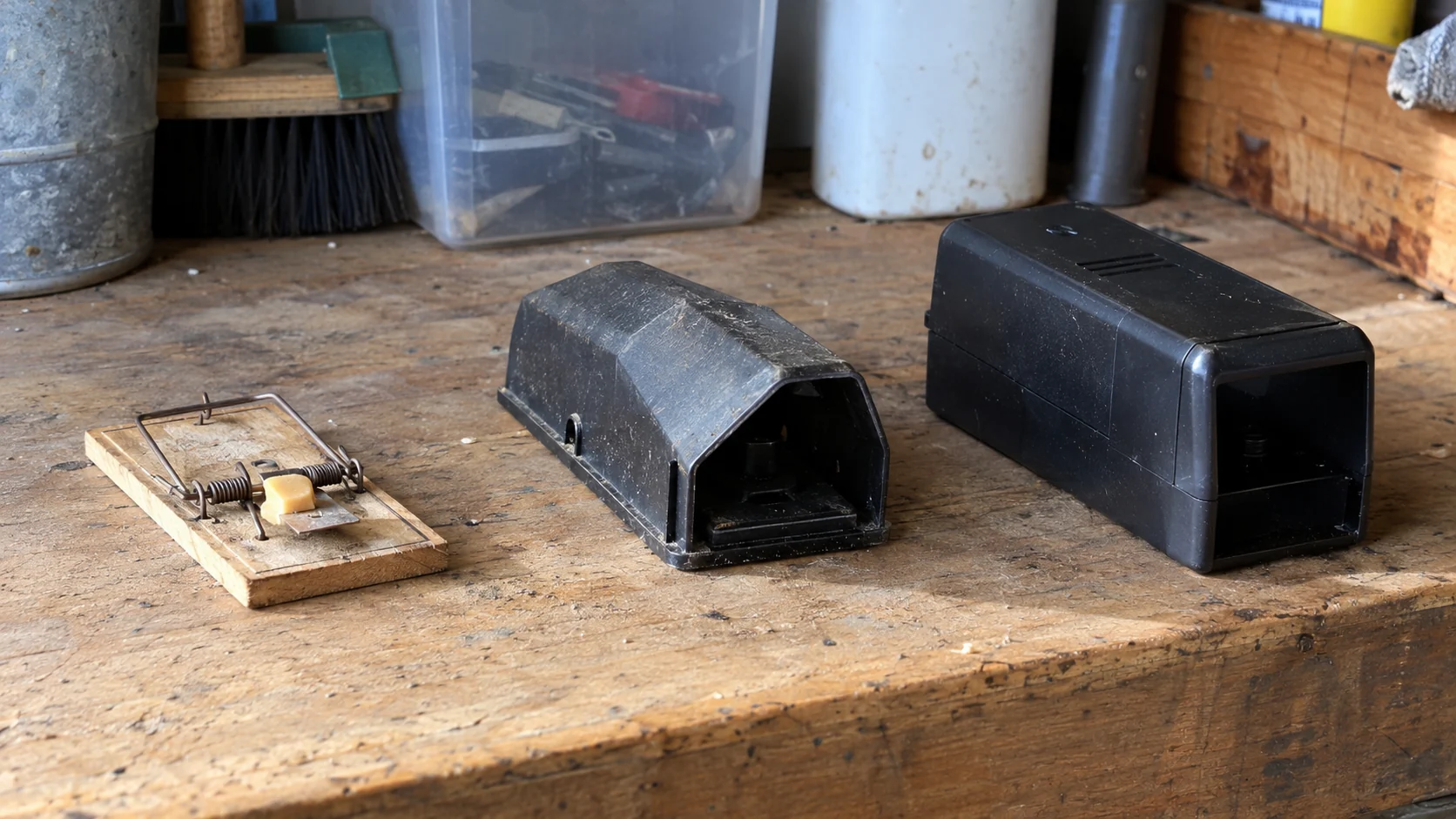
The best mouse trap is the one that matches the location, can be placed directly on an active mouse route, and can be checked consistently.
For most indoor mouse problems, well-placed snap traps are usually the best starting point because they are inexpensive, simple, easy to monitor, and effective when placed correctly.
Other trap types can make sense in specific situations.
Enclosed traps can be useful where you want more protected placement. Electric traps can provide a contained option in dry indoor locations. Live-catch traps may appeal to homeowners who do not want to use lethal traps, but they require frequent checking and do not solve the entry problem by themselves.
No trap works well if it is placed randomly.
Mouse control depends on three things:
- placing the right trap on an active route
- using enough traps for the level of activity
- sealing the entry points that allow mice to return
This guide compares the main mouse-trap types, explains which situations each one fits best, and shows how to improve results without overcomplicating the process.
Best Mouse Trap Overall: Snap Traps
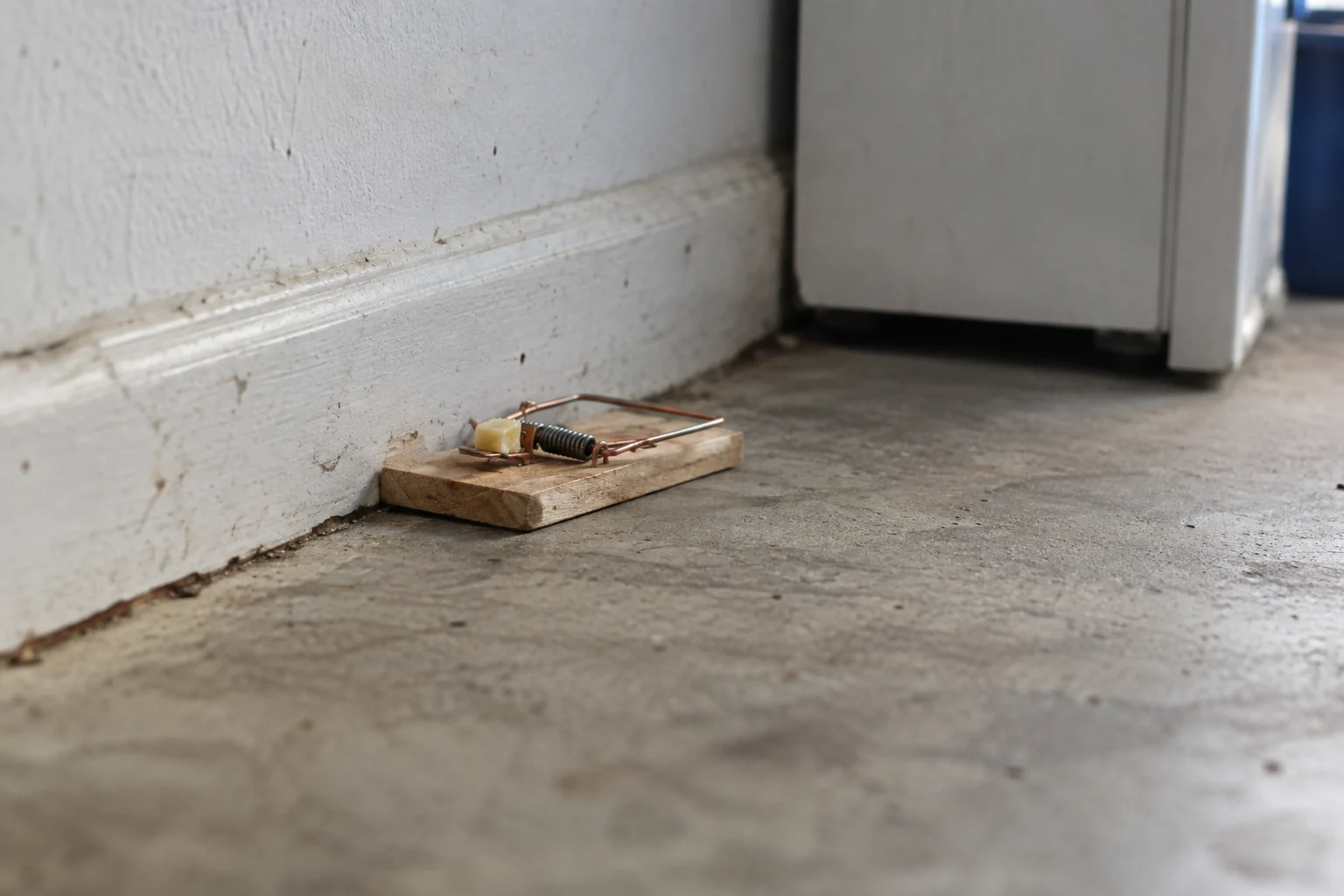
For most residential mouse problems, snap traps are the best all-around choice.
They are:
- inexpensive
- widely available
- easy to place
- easy to monitor
- available in mouse-specific sizes
- useful in kitchens, garages, basements, attics, and utility areas
Their biggest advantage is simplicity.
A snap trap placed directly on a confirmed travel route can be very effective.
The biggest reason snap traps fail is usually not the trap itself.
It is poor placement.
A trap sitting in the middle of a room is much less useful than a trap positioned along the edge mice already use.
For a full guide to trap placement, see Mouse Traps: Types, Placement & How to Use Them.
Best Mouse Trap for Indoor Use
For ordinary indoor mouse activity, use a mouse-sized trap that can be placed tight to a wall or edge.
Good indoor locations may include:
- behind refrigerators
- beside cabinets
- along pantry walls
- behind stoves
- along garage walls
- near droppings
- close to known entry gaps
The trap should be placed where mice are already moving.
Do not choose a trap only because it looks more advanced.
A simple trap on the correct route usually performs better than an expensive trap in the wrong location.
Best Mouse Trap for Kitchens
Kitchens often have concentrated mouse activity because they provide:
- food
- warmth
- water
- cabinets
- appliance spaces
- plumbing penetrations
A compact snap trap or enclosed snap trap is often a practical choice.
Place traps:
- behind appliances
- along cabinet toe kicks
- near droppings
- beside wall edges
- near plumbing routes
Keep traps away from food-preparation surfaces.
If children or pets can reach the area, use a protected placement or enclosed design where appropriate.
For broader kitchen activity, see Signs of Mice in Your House.
Best Mouse Trap for Garages
Garages often have longer wall routes and easier exterior access.
Snap traps work well when placed:
- along wall edges
- near stored food
- beside garage-door corners
- near utility penetrations
- near fresh droppings
Garages may require more traps than a small kitchen because the active route can cover more distance.
If mice are entering under the garage door, trapping should be combined with exclusion.
See How Mice Get Into Your House and Rodent Exclusion: How to Keep Rats & Mice Out.
Best Mouse Trap for Attics
Attic mouse control requires stable placement.
Snap traps may be effective when placed:
- along attic framing
- near droppings
- beside insulation travel routes
- near accessible wall connections
Avoid unstable placement on loose insulation.
The trap should sit on a firm surface where it will not tip or become buried.
Attics can also involve contamination and difficult access.
See Mice in the Attic: Signs, Damage & Removal for attic-specific guidance.
Best Mouse Trap for Walls
You usually do not place a trap inside a sealed wall void.
Instead, find where mice emerge from the wall.
Possible accessible routes include:
- cabinet openings
- appliance gaps
- baseboard gaps
- plumbing penetrations
- attic connections
- garage connections
Place traps near the accessible entry or exit point.
For hidden activity, see Mice in Walls: Signs, Entry Points & What to Do.
Snap Traps: Pros and Cons
Pros
Snap traps are:
- affordable
- simple
- easy to inspect
- effective on active routes
- available in compact sizes
- suitable for many indoor locations
Cons
They still require:
- correct placement
- regular checking
- safe placement around children and pets
- removal of captured mice
A poorly placed snap trap can sit untouched for days.
The solution is usually better route identification, not a more expensive trap.
Enclosed Snap Traps
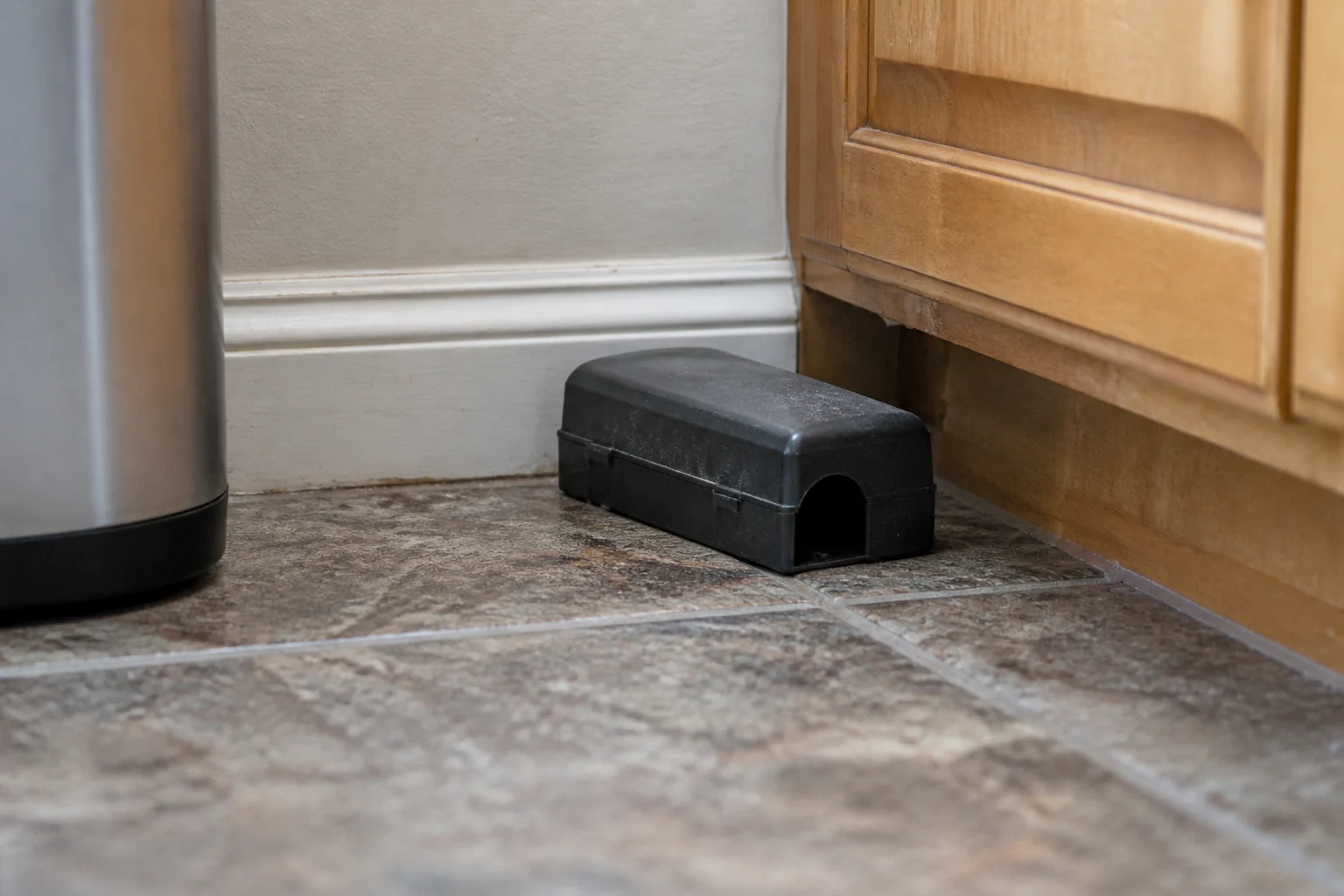
Enclosed snap traps place the mechanism inside a housing.
They can be useful when you want:
- less visible contact with the trap
- more protected placement
- a contained device along a wall
Some homeowners prefer them in:
- kitchens
- utility rooms
- finished basements
- garages
The housing does not make placement less important.
The entry opening still needs to intersect the mouse's natural route.
Electric Mouse Traps
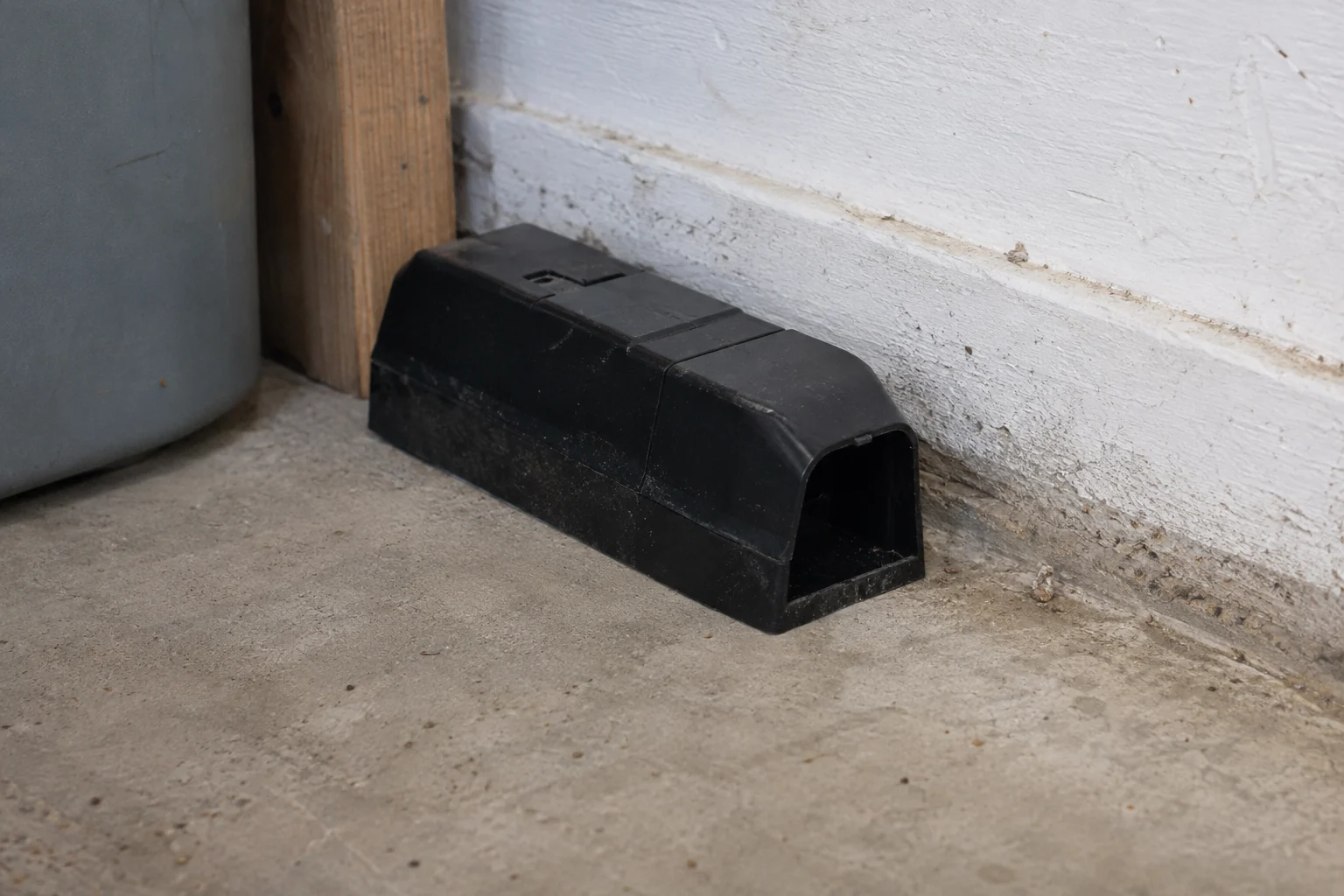
Electric traps use an enclosed chamber and an electrical killing mechanism.
They can be useful in dry indoor areas where:
- the trap can remain level
- moisture is not a concern
- the device can be checked regularly
Potential advantages include:
- enclosed capture
- easy monitoring on some models
- less direct handling of the trap mechanism
Potential disadvantages include:
- higher cost
- battery or power requirements
- more parts that can fail
- reduced practicality in dusty, damp, or harsh areas
An electric trap is not automatically more effective than a properly placed snap trap.
Placement still matters most.
Live-Catch Mouse Traps
Live-catch traps hold the mouse without intentionally killing it.
They may appeal to homeowners who prefer nonlethal capture.
However, they require more management.
Important limitations include:
- traps must be checked frequently
- captured mice should not be left confined for long periods
- releasing a mouse does not seal the building
- another mouse can enter through the same opening
Local rules may affect release practices.
If you use live-catch traps, exclusion is especially important.
Multi-Catch Mouse Traps
Multi-catch traps are designed to hold more than one mouse.
They can be useful where activity is concentrated along one route.
Potential advantages:
- multiple captures before resetting
- useful in higher-activity indoor areas
- often reusable
Potential disadvantages:
- larger device
- more cleaning
- regular checking required
- performance depends heavily on route placement
They are more useful for established activity than for one isolated mouse.
Glue Traps
Glue traps are widely sold, but they are not usually the best first choice for residential mouse control.
They can leave a live animal restrained for an extended period and require frequent monitoring.
They can also accidentally contact:
- pets
- non-target animals
- household items
Some locations restrict or regulate their use.
For most homes, snap traps or enclosed trap designs are generally easier to manage.
Are Bait Stations Mouse Traps?
No.
A bait station is not a trap.
It is a secured device designed to hold rodenticide bait.
If rodenticides are used, they must be used according to the product label and applicable requirements.
Bait stations may be part of some professional rodent-control programs, but they serve a different purpose from capture traps.
For indoor residential activity, trapping is often useful because captures can be confirmed and removed.
Reusable vs Disposable Mouse Traps
Both can work.
Reusable Traps
Advantages:
- lower long-term cost
- less waste
- useful for ongoing monitoring
Disadvantages:
- require cleaning
- may require more handling
Disposable Traps
Advantages:
- simple cleanup
- less handling after capture
Disadvantages:
- higher ongoing cost
- more waste
Effectiveness depends much more on placement than on whether the trap is reusable.
Wood Snap Traps vs Plastic Snap Traps
Traditional wood-base traps are inexpensive and effective.
Plastic snap traps often offer:
- easier resetting
- more consistent trigger mechanisms
- simpler cleaning
Either type can work.
Choose the design you can place safely, set correctly, and monitor consistently.
What Size Mouse Trap Should You Use?
Use a trap designed for mice.
Do not use a large rat trap for a small house-mouse problem unless the manufacturer specifically indicates that use.
Mouse traps are:
- smaller
- lighter-triggered
- easier to position in narrow mouse routes
Correct scale improves placement and trigger performance.
For identification help, see House Mouse: Identification, Signs & Behavior.
How Many Mouse Traps Should You Use?
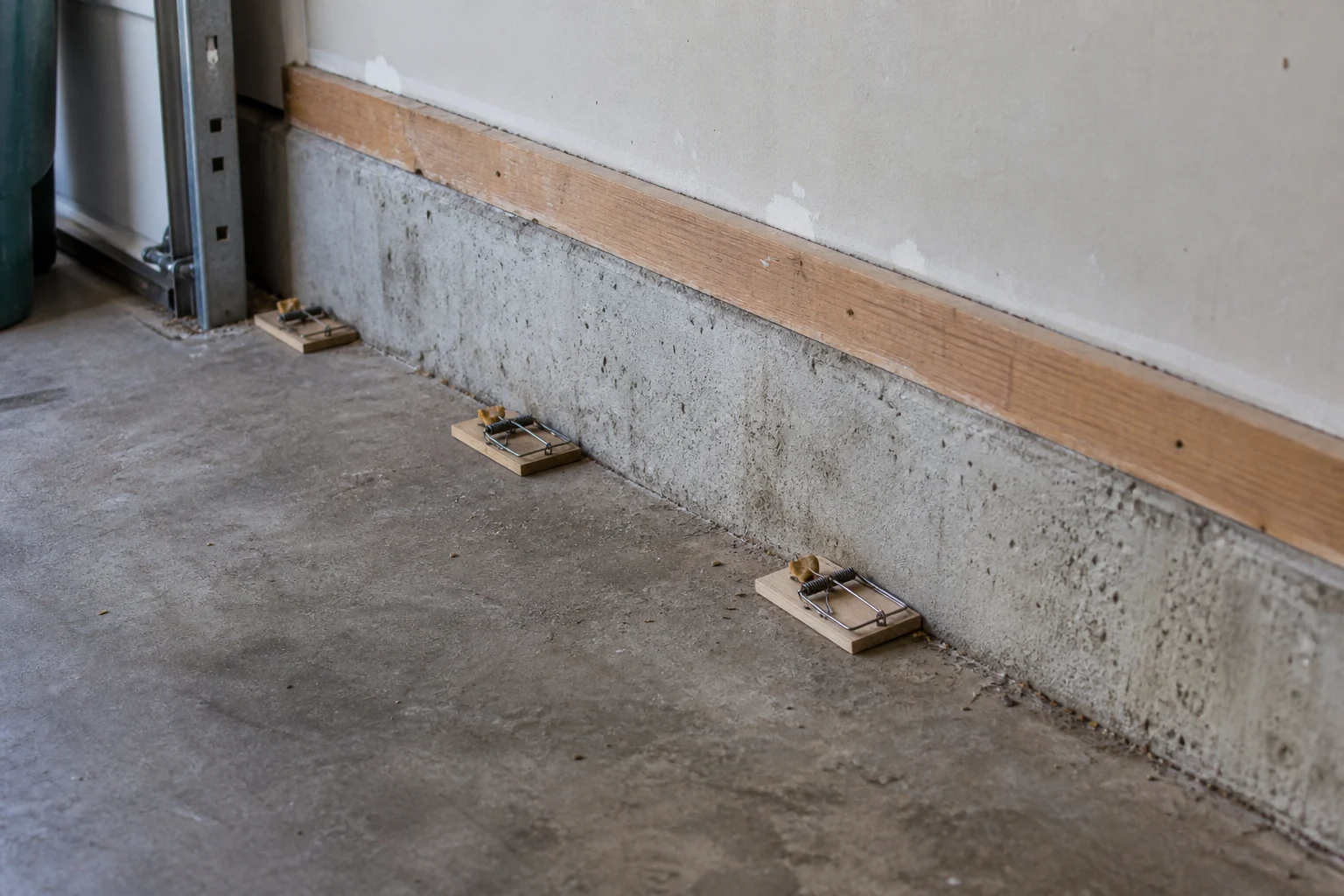
Using only one trap is a common mistake.
The number depends on:
- how many rooms show activity
- how many active routes you find
- how widespread the droppings are
- whether mice are present on multiple floors
A small kitchen problem may need only a few strategically placed traps.
A larger infestation may require traps in several active zones.
The goal is not to cover every square foot.
It is to place enough traps along confirmed routes.
Where Should Mouse Traps Be Placed?
Place traps where mice travel.
Good locations include:
- beside walls
- behind appliances
- along cabinets
- near droppings
- near gnaw marks
- beside utility penetrations
- along attic framing
- near garage-door corners
Mice usually prefer edges and cover.
Open floor space is usually a weak location.
Which Direction Should a Mouse Trap Face?
For a standard snap trap placed beside a wall, positioning the trigger end toward the wall often works well.
This places the trigger directly in the mouse's edge-following path.
Depending on the trap design and route, two traps can also be placed close together to intercept movement from either direction.
Always follow the trap manufacturer's instructions.
Best Bait for Mouse Traps
A small amount of attractive food can help.
Common choices include:
- peanut butter
- nut spread
- soft candy
- oats
- seeds
- small food fragments already being eaten in the home
Use only a small amount.
Too much bait can allow a mouse to feed without properly engaging the trigger.
The best lure is often related to food the mice are already using.
Do You Need Bait on Every Trap?
Not always.
A trap placed directly on an active route can work because the mouse physically encounters it.
Bait can increase interest, but route placement is usually more important.
If a trap has bait but sits far from mouse activity, it may remain untouched.
Should You Pre-Bait Mouse Traps?
If mice are avoiding traps, pre-baiting can sometimes help.
This means placing bait on an unset trap for a short period so mice become comfortable approaching it.
Then the trap is set.
This is more commonly discussed with cautious rats, but it can also help in difficult mouse situations.
Do not leave large amounts of food available elsewhere.
Why Mice Avoid Traps
Common reasons include:
- the trap is not on the active route
- too few traps are being used
- food is more available elsewhere
- the trigger is insensitive
- the trap is unstable
- the trap has been disturbed repeatedly
- activity is occurring in another room
Do not immediately assume the mice are "too smart."
Reinspect the route first.
Why Mouse Traps Keep Getting Bait Stolen
If bait disappears without a capture:
- use less bait
- press soft bait into the trigger area
- confirm the trap is mouse-sized
- check trigger sensitivity
- reposition the trap
- look for insects or other animals that may be taking the bait
The problem may be trap setup rather than mouse behavior.
Best Trap Placement Behind a Refrigerator
Behind refrigerators, place traps:
- along the wall
- beside appliance edges
- near droppings
- near utility gaps
Do not place the trap where it can interfere with electrical cords, water lines, or appliance movement.
If droppings return after trapping, inspect the nearby wall and utility penetrations.
Best Trap Placement Under a Sink
Under sinks, inspect:
- plumbing gaps
- cabinet corners
- wall penetrations
Place traps along the cabinet edge or near the active route while keeping them away from stored household chemicals.
If children or pets can access the cabinet, use a protected setup.
Best Trap Placement in a Pantry
Place traps:
- along walls
- near lower shelving
- close to fresh droppings
- near entry gaps
Remove easily accessible food.
Damaged or contaminated packages should not be treated as safe.
Best Trap Placement in a Garage
In garages, focus on:
- long wall routes
- garage-door corners
- utility penetrations
- stored food
- droppings
- shared walls with the house
A garage mouse problem often requires both trapping and exclusion.
Keep Mouse Traps Away From Children and Pets
Trap placement must be safe.
Keep traps:
- inaccessible to children
- inaccessible to pets
- away from food-preparation surfaces
- away from areas where someone may accidentally step on them
Enclosed trap designs can help in some locations, but they still require responsible placement.
How Often Should You Check Mouse Traps?
Check traps regularly.
Frequent checking lets you:
- remove captures
- reset traps
- replace bait
- identify which routes are active
- move traps that are not being used
A trap that is never checked is not a useful monitoring tool.
What to Do After Catching a Mouse
After a capture:
- handle the trap according to its instructions
- use suitable gloves
- dispose of the mouse appropriately
- clean contaminated surfaces using safe wet-cleanup methods
- reset or replace the trap
- continue monitoring
One capture does not prove the infestation is over.
When Can You Stop Trapping?
Continue until fresh activity stops.
Look for:
- no new droppings
- no new sightings
- no trap activity
- no fresh gnawing
- no new food damage
- no scratching sounds
Continue monitoring after the last capture.
The exact period depends on the infestation and building.
Trapping Alone Does Not Prevent Mice From Returning
Traps remove mice already inside.
They do not seal the building.
Long-term control requires identifying entry points around:
- doors
- garage doors
- utilities
- foundations
- vents
- siding
- rooflines
See Rodent Exclusion: How to Keep Rats & Mice Out for the prevention side of control.
Common Mouse-Trap Mistakes
Common mistakes include:
- using one trap for a widespread infestation
- placing traps in open floor space
- using the wrong trap size
- using too much bait
- failing to check traps
- placing traps where pets can reach them
- ignoring fresh droppings in other rooms
- stopping after one capture
- failing to seal entry points
The best trap is only one part of the control plan.
Best Mouse Trap for Most Homes: The Bottom Line
For most indoor mouse problems, a mouse-sized snap trap placed directly on an active route is the best starting point.
Choose an enclosed snap trap when more protected placement is useful.
Consider an electric trap when you want a contained device in a dry indoor area.
Use live-catch traps only if you are prepared to check them frequently and also correct the entry problem.
Whatever trap you choose, success depends on:
- correct placement
- enough traps
- regular monitoring
- sanitation
- exclusion
If traps are not reducing activity, reassess where the mice are traveling.
Continue with our mouse traps guide, how to get rid of mice guide, signs of mice guide, house mouse guide, rodent exclusion guide, or mouse exterminator guide.
For the broader overview, return to Rats & Mice in the Home.