Rodent Removal Cost: What Affects the Price?
Professional rodent removal often costs a few hundred dollars, but the final price depends on what has to be removed, where the rodents are active, and how many visits the job requires.
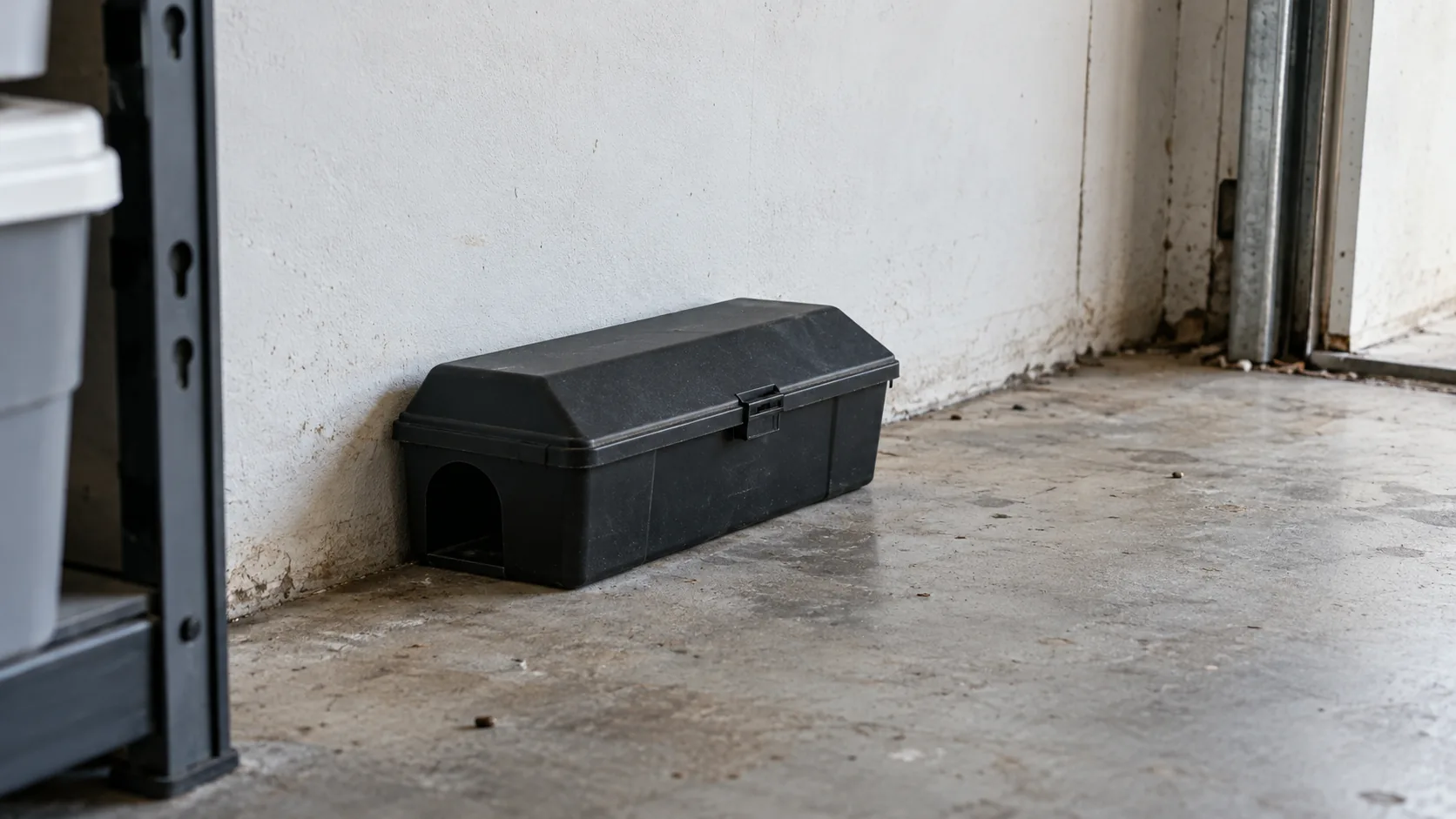
Professional rodent removal often costs a few hundred dollars, but the final price depends on what has to be removed, where the rodents are active, and how many visits the job requires.
For national planning purposes:
- many ordinary rodent-removal jobs fall around $150–$650
- common mouse-removal jobs often fall around $150–$550
- common rat-removal jobs often fall around $200–$650
- complex projects can move above $1,000 when active removal is combined with difficult access, extensive exclusion, cleanup, insulation work, repairs, or repeated follow-up
These are broad planning ranges, not guaranteed quotes.
The biggest cost question is not simply:
“How many rodents are there?”
It is:
“What work is required to remove the active rodents and confirm the activity has stopped?”
What Does Rodent Removal Cost?
For many ordinary residential jobs, a useful planning range is roughly $150 to $650.
That may include some combination of:
- inspection
- trap placement
- bait-station service where appropriate
- monitoring
- follow-up visits
- accessible carcass removal
The total can be lower or higher depending on the service scope.
A simple one-room mouse problem is very different from rats using:
- a crawl space
- a garage
- a foundation route
- an attic
- a deck
- several exterior areas
Rodent Removal Cost vs Rodent Control Cost
These terms overlap, but they are not identical.
Rodent removal cost focuses on getting active rats or mice out of the property.
That may involve:
- trapping
- monitored bait-station service
- catch removal
- follow-up
Rodent control cost can be broader.
It may also include:
- exclusion
- cleanup
- repairs
- long-term monitoring
- prevention work
See Rodent Control Cost: Typical Pricing & Cost Factors.
A removal quote may therefore look cheaper than a complete control quote because it covers less work.
Mouse Removal Cost
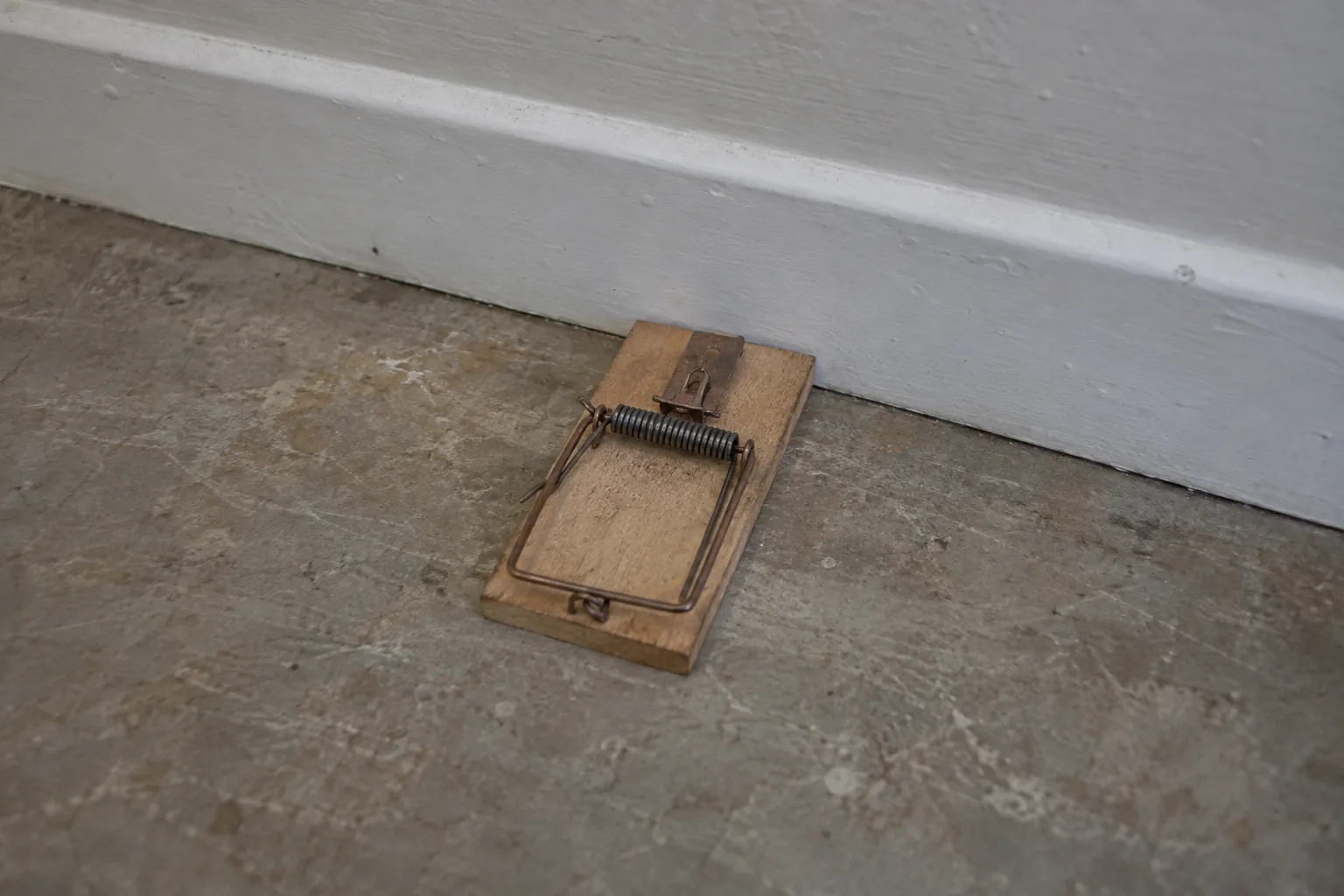
Many ordinary professional mouse-removal jobs fall around $150–$550.
Mouse removal may involve:
- kitchen routes
- cabinets
- garages
- basements
- appliance edges
- utility penetrations
- several mouse-sized traps
Cost can rise when mice are active in:
- attics
- crawl spaces
- walls
- ceilings
- several rooms
Rat Removal Cost
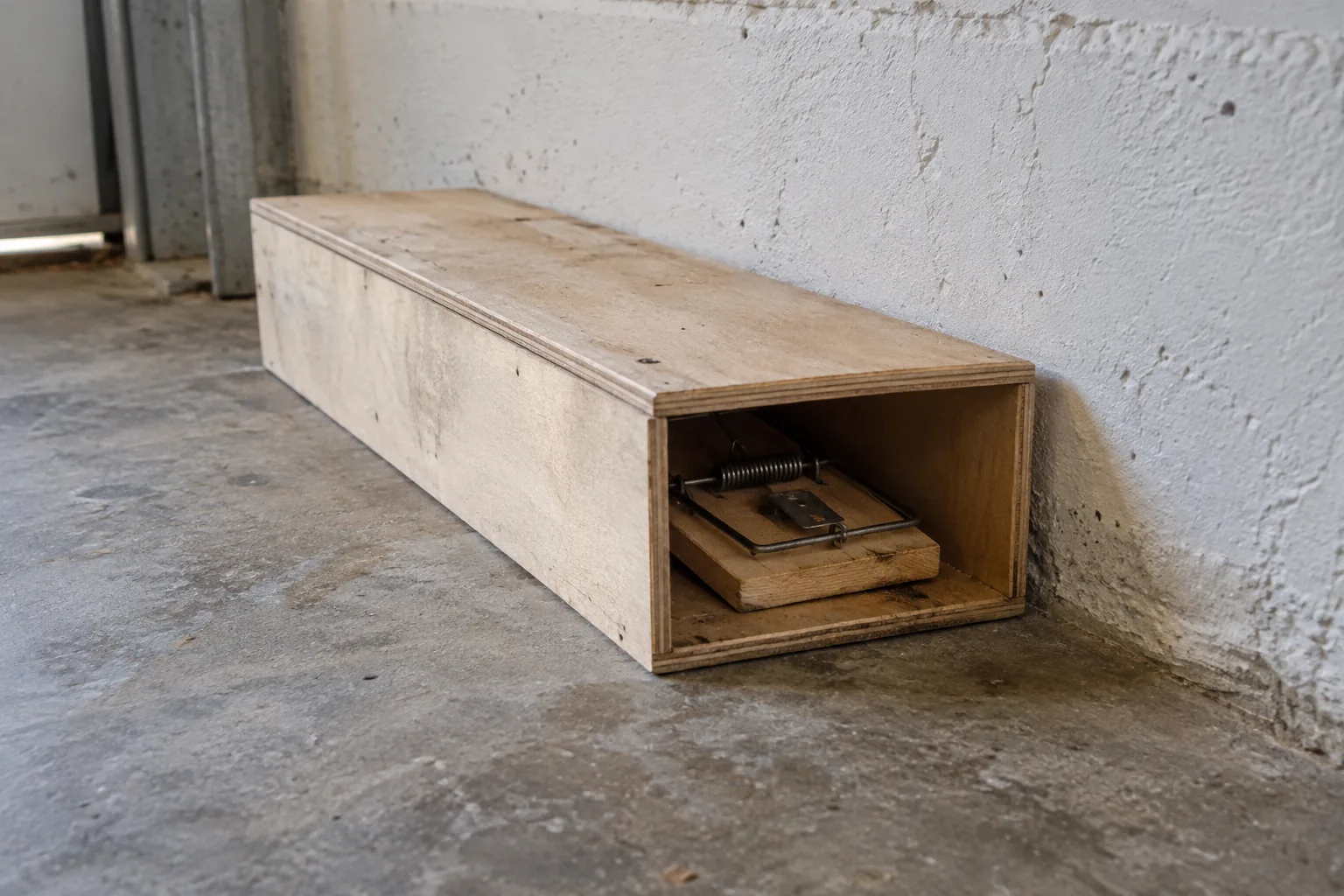
Many ordinary professional rat-removal jobs fall around $200–$650.
Rat removal can cost more when the job involves:
- larger, more powerful traps
- protected trap enclosures
- foundations
- crawl spaces
- exterior routes
- decks
- burrows
- attic or roofline activity
A simple rat job can still cost less than a difficult mouse job.
Scope matters more than species alone.
Is Inspection Included in Rodent Removal?
Sometimes.
When charged separately, professional rodent inspection may often cost around $100–$200.
Some providers:
- include inspection in the removal price
- charge inspection separately
- credit the inspection fee toward treatment
- offer a no-charge inspection
Ask what the quoted price includes.
A useful inspection should identify:
- mouse vs rat activity
- active routes
- likely entry points
- food and shelter
- areas that need treatment
See Rodent Inspection: What Professionals Check.
How Much Does Professional Trapping Cost?
A professional trapping and monitoring scope may often fall around $150–$600.
The price depends on:
- number of active routes
- mouse vs rat equipment
- number of traps
- trap protection
- service time
- number of visits
- difficult access
The trap itself is only one part of the cost.
You are also paying for:
- inspection
- placement
- monitoring
- adjustment
- catch removal
- follow-up
Does Bait-Station Service Count as Removal?
It may be part of a removal program.
A basic professional bait-station setup and monitoring scope may often fall around $200–$400.
The actual cost depends on:
- mouse vs rat station
- number of service points
- indoor vs exterior use
- service frequency
- property complexity
Rodenticide is a pesticide.
If used, it must follow the product label.
A bait station is controlled housing, not a guarantee of zero risk.
One Visit vs Multiple Visits
Some simple jobs may need only:
- one inspection
- initial trap placement
- one follow-up
Other jobs may require:
- repeated trap checks
- trap relocation
- station servicing
- catch removal
- route reassessment
When billed separately, a follow-up visit may often be around $50–$150.
Many providers bundle follow-up into the original price.
Ask how many visits are included.
Why Rodent Removal Often Requires Follow-Up
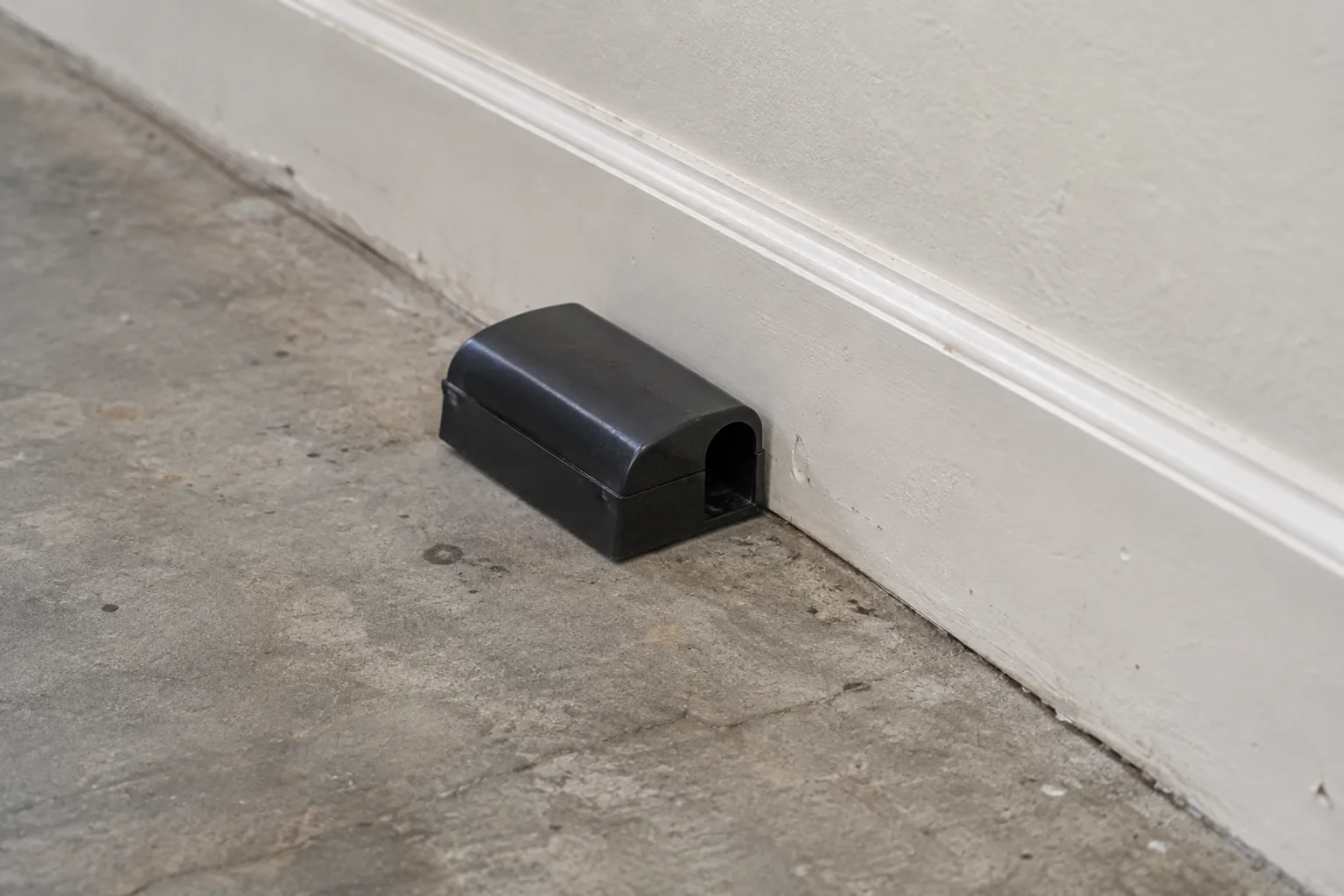
Rodent removal is not always a one-visit service.
A technician may need to:
- check whether traps were contacted
- remove catches
- reposition traps
- add traps to a newly identified route
- confirm fresh droppings have stopped
- inspect newly discovered openings
The goal is not simply to place equipment.
The goal is to confirm that active rodent activity is declining.
Does the Number of Rodents Determine Cost?
Not directly.
A technician usually cannot know the exact number of rats or mice in a building.
Do not expect pricing based on:
- price per mouse
- price per rat
- exact population from droppings
- exact population from trap catches
Cost is more often driven by:
- number of active areas
- access
- equipment
- visit count
- service time
- route complexity
Does Home Size Affect Rodent Removal Cost?
Yes, but square footage is only one factor.
A larger property may require:
- more inspection time
- more trap locations
- more exterior checking
But a small house with rodents in:
- an inaccessible attic
- a tight crawl space
- several wall voids
may cost more than a larger house with one obvious garage route.
Do not compare removal quotes by square footage alone.
How Location Changes Rodent Removal Cost
Accessible routes are usually simpler to service.
Hidden, high, tight, or contaminated areas add labor and difficulty.
Kitchen
A kitchen mouse problem can be relatively straightforward when activity is concentrated around:
- lower cabinets
- under-sink routes
- pantry edges
Cost can rise when the route extends behind fixed appliances or into walls.
Garage
Garage routes may be accessible.
But removal becomes more complex when rodents move between:
- garage walls
- attic space
- utility chases
- the interior of the house
Basement
Basement work may involve:
- foundation routes
- storage
- utilities
- sill areas
Attic
Attic work can cost more because of:
- limited footing
- insulation
- wiring
- roofline routes
- contamination
Crawl space
Crawl-space work may cost more because of:
- tight access
- moisture
- utilities
- contaminated insulation
- safety constraints
Why Attic Rodent Removal Costs More
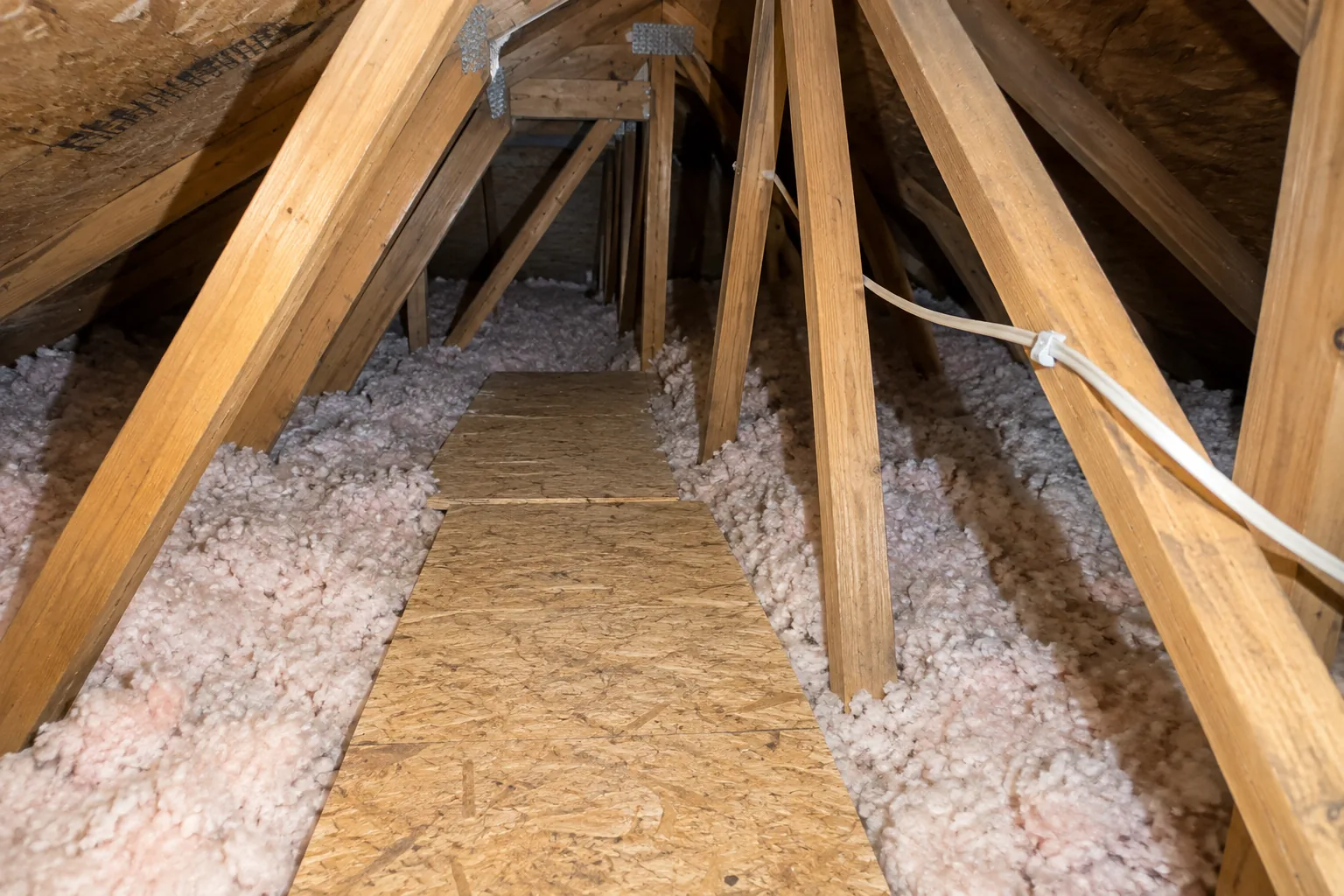
An attic can add labor even before cleanup or repairs are considered.
The technician may need to:
- locate safe access
- inspect framing
- place retrievable traps
- monitor several routes
- evaluate roofline entry points
If insulation cleanup or roof repair is added, the total project can increase substantially.
This page focuses on removal cost, not a future attic-specific cost page.
Why Crawl-Space Removal Can Cost More
Crawl spaces can involve:
- limited headroom
- standing water
- electrical hazards
- plumbing
- contaminated insulation
- difficult access
A provider may limit service if the space is unsafe.
Another qualified contractor may be needed before pest-control work can continue.
What About Rodents Inside Walls or Ceilings?
Wall and ceiling activity can increase removal cost because the route may not be directly accessible.
A technician may need to trace movement through:
- attic connections
- utility paths
- cabinet routes
- accessible wall edges
Do not expect a standard removal quote to include opening walls.
Structural access or drywall repair may be separate.
Does Dead Rodent Removal Cost Extra?
Sometimes.
Accessible carcass removal may be included when the rodent is:
- in a trap
- in an accessible attic
- in a garage
- in a basement
- in an accessible crawl-space area
Cost can rise when a carcass is inside:
- a sealed wall
- a ceiling void
- an inaccessible cabinet void
- another closed structural area
Opening and repairing the structure may require a separate contractor.
See Rodent Removal Services: What’s Included?.
Does Exterior Rat Activity Affect Price?
Yes.
Rat removal can become more complex when activity involves:
- foundation edges
- yards
- decks
- sheds
- garbage areas
- suspected burrows
Exterior work may require:
- additional inspection
- protected trap placement
- exterior station servicing
- repeated monitoring
Do not treat every outdoor hole as an active rat burrow.
Do Burrows Increase Rat Removal Cost?
They can.
A technician may need to determine whether a suspected burrow is active.
That may involve looking for:
- fresh soil
- tracks
- droppings
- worn paths
- repeated sightings
Do not improvise burrow treatment with:
- flooding
- smoke
- fire
- gasoline
- exhaust
- household chemicals
- boiling water
- blind collapse
Burrow work should be coordinated with the overall rat-control plan.
Does Apartment Rodent Removal Cost Differ?
It can.
An apartment problem may involve:
- one unit
- shared walls
- plumbing chases
- common utility areas
- neighboring units
Treatment inside one apartment may not solve the larger building route.
The quote should make clear what areas the provider will service.
Responsibility for building-wide repairs varies by property and location.
Is Exclusion Included in Rodent Removal Cost?
Not always.
Removal and exclusion are separate scopes.
Removal addresses active rodents.
Exclusion repairs the openings they use.
Some companies include both.
Others quote exclusion separately.
See Rodent Exclusion: How to Keep Rats & Mice Out.
Why Exclusion Can Add More Than Removal
A simple removal program may require:
- traps
- monitoring
- follow-up
Exclusion may require:
- door repair
- garage-door work
- metal screening
- flashing
- mortar
- siding repair
- soffit repair
- roofline work
That is why a complete rodent-control project can cost much more than the active-removal portion.
Is Cleanup Included in Rodent Removal Cost?
Not always.
Cleanup may be a separate line item.
Possible cleanup includes:
- droppings
- nesting material
- urine contamination
- accessible carcasses
- contaminated insulation
See Rodent Cleanup: Droppings, Urine & Contaminated Areas.
Why Cleanup Can Increase the Total
Cleanup adds:
- labor
- protective equipment
- waste handling
- surface cleaning
- contaminated-material removal
Attic or crawl-space cleanup can add much more than simple trap servicing.
A provider should clearly separate:
- active removal
- cleanup
- insulation work
- exclusion
What About Rodent Damage Repairs?
Rodent removal does not repair:
- chewed wiring
- damaged insulation
- plumbing
- roof defects
- structural damage
These repairs may require another trade.
The pest-control quote should state whether repair work is included.
Does Same-Day Service Cost More?
It can.
Some providers may charge more for:
- same-day appointments
- after-hours service
- weekend visits
- urgent carcass retrieval
Ask about scheduling charges before booking.
One-Time Removal vs Recurring Service
One-time removal may be appropriate for a single resolved entry event.
Recurring service may include:
- ongoing exterior monitoring
- bait-station servicing
- periodic inspection
- re-service
Compare the annual cost rather than only the monthly payment.
A recurring plan is not automatically necessary for every home.
DIY Rodent Removal Cost
DIY can cost less upfront when:
- activity is limited
- routes are accessible
- the rodent is identified
- traps can be placed safely
DIY expenses may include:
- traps
- protective enclosures
- bait
- exclusion materials
- cleanup supplies
- replacement equipment
Repeated unsuccessful attempts can erase some of the initial savings.
See DIY Rodent Control vs Professional Extermination.
When Professional Removal May Be Worth the Cost
Professional help may make sense when:
- rodents keep returning
- several rooms are active
- the entry route is unclear
- rats use exterior and interior routes
- attic or crawl-space access is difficult
- children or pets complicate safe trap placement
- contamination is widespread
- structural repairs are needed
The value is often in:
- diagnosis
- placement
- monitoring
- follow-up
not just the physical trap.
What Should a Rodent Removal Quote Include?
A useful quote should explain:
- inspection
- target pest
- treatment method
- trap or station locations
- number of visits
- who checks traps
- accessible carcass removal
- follow-up
- exclusion
- cleanup
- repairs
- warranty or re-service
- additional charges
If the quote only says “rodent removal,” ask for more detail.
What May Cost Extra?
Depending on the provider, separate charges may apply for:
- additional follow-up
- attic access
- crawl-space work
- exterior rat service
- carcass retrieval from difficult locations
- exclusion
- cleanup
- insulation work
- repairs
- after-hours service
The quote should separate required work from optional work.
Why the Cheapest Removal Quote Is Not Always Cheapest
A low quote may include:
- one visit
- a few traps
- no follow-up
If activity continues, the homeowner may pay again.
A higher quote may include:
- inspection
- monitoring
- multiple visits
- catch removal
That does not mean the higher quote is automatically better.
Compare the scope.
Why the Highest Quote Is Not Automatically Better
A large estimate should be supported by actual findings.
Ask to see:
- active areas
- likely routes
- difficult access
- contaminated zones
- proposed service frequency
Do not approve major extra work that cannot be explained.
Questions to Ask About Rodent Removal Cost
Before hiring, ask:
- Is inspection included?
- How many visits are included?
- Are traps included?
- Are bait stations included?
- Who checks the traps?
- Is accessible carcass removal included?
- Is exclusion separate?
- Is cleanup separate?
- Is attic or crawl-space work extra?
- Is exterior rat service included?
- What triggers additional charges?
- Is there a re-service policy?
These questions make competing quotes easier to compare.
Rodent Removal Cost: The Bottom Line
For planning purposes, many ordinary professional rodent-removal jobs fall around $150–$650.
Within that broad range:
- mouse-removal jobs commonly fall around $150–$550
- rat-removal jobs commonly fall around $200–$650
- separate inspections may often be around $100–$200
- professional trapping and monitoring may often be around $150–$600
- basic bait-station programs may often be around $200–$400
- separately billed follow-up visits may often be around $50–$150
Complex whole-project totals can exceed $1,000 when removal is combined with:
- difficult attic or crawl-space access
- extensive exclusion
- cleanup
- insulation work
- repairs
- repeated follow-up
These are planning ranges, not guaranteed prices.
The key is to compare what the quote actually removes and what it leaves for a separate service.
Continue with our rodent control cost guide, mouse exterminator cost guide, rat exterminator cost guide, rodent removal services guide, rodent inspection guide, or rodent cleanup guide.
For broader pricing topics, visit the rodent cost section.