Rodent Removal Services: What’s Included?
A rodent removal service can mean different things depending on the company and the property. Rodent removal is a service scope, not one single technique.
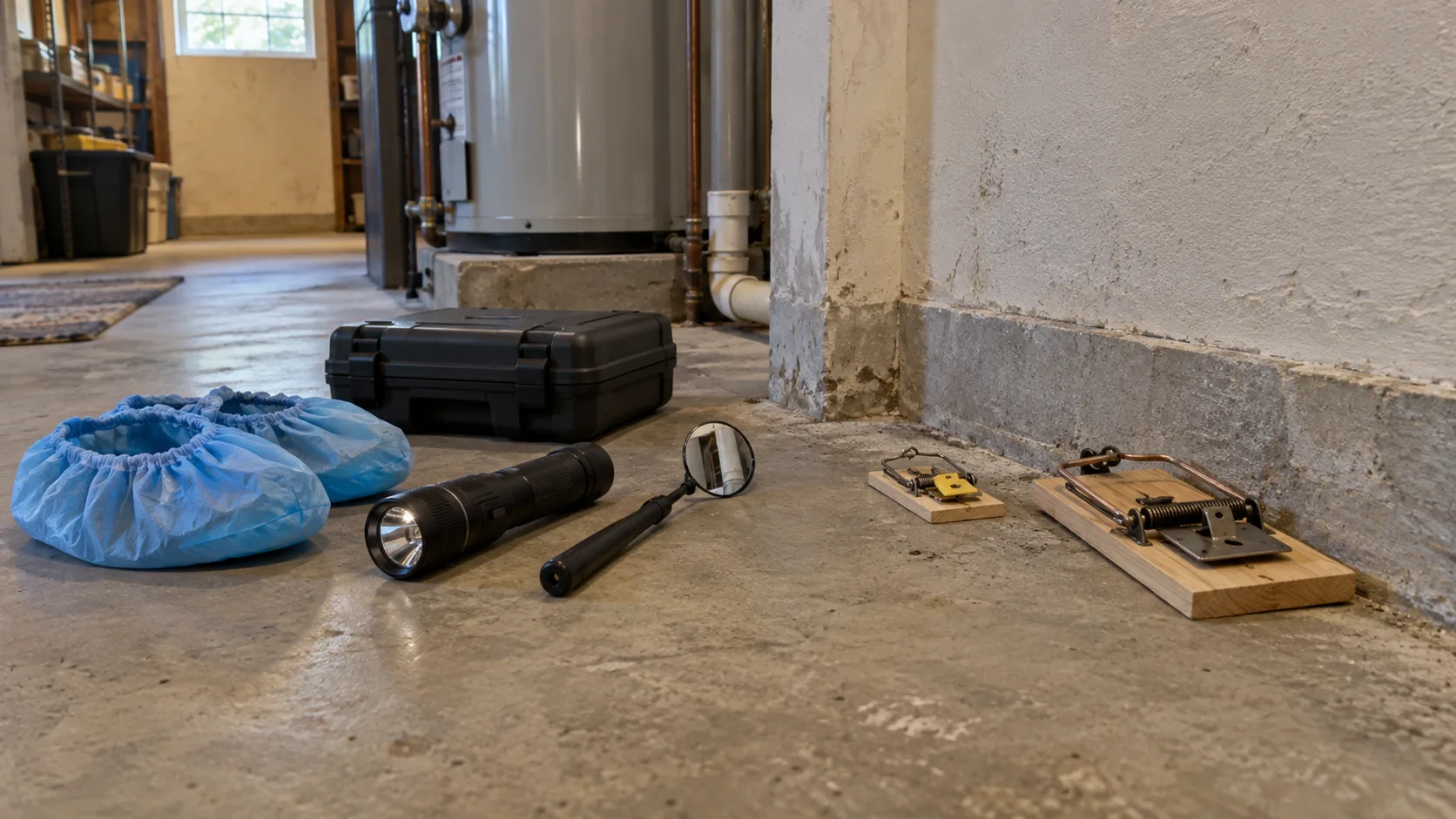
A rodent removal service can mean different things depending on the company and the property.
For rats and mice, “removal” may include some combination of:
- inspection
- species identification
- trap placement
- other legal control methods
- monitoring
- accessible carcass removal
- entry-point inspection
- exclusion
- cleanup
- repair recommendations
- follow-up visits
The important point is that rodent removal is a service scope, not one single technique.
One company may provide trapping and monitoring only.
Another may also provide exclusion, attic cleanup, or structural repairs.
Before hiring, ask exactly what is included.
What Does a Rodent Removal Service Do?
A professional rodent removal service is designed to reduce or eliminate active rat or mouse activity and address the conditions that allowed it to develop.
A complete service may include:
- inspection
- identification
- active control
- monitoring
- accessible carcass removal
- exclusion
- cleanup guidance or cleanup service
- follow-up
Not every job needs every step.
Not every company provides every step.
The scope should match the property.
Does “Rodent Removal” Mean Live Trapping?
Not necessarily.
For commensal rats and mice, professional removal may involve:
- mechanical traps
- enclosed traps
- other legal control methods
- label-compliant rodenticide where appropriate
The term “removal” does not automatically mean a rodent will be captured alive and relocated.
Ask the provider what methods they use.
For the broader process, see Rodent Control: Methods, Process & What to Expect.
What Happens During the First Visit?
The first visit should usually begin with inspection.
A technician may ask:
- where rodents were seen
- when activity occurs
- which rooms or exterior areas show signs
- whether the problem seems to involve mice, rats, or both
- whether traps or bait have already been used
- whether children or pets are present
- whether food damage has occurred
- whether rodents have returned after earlier treatment
The technician may inspect:
- kitchens
- garages
- basements
- attics
- crawl spaces
- utility rooms
- exterior foundation edges
- doors and garage doors
- vents
- utility penetrations
- siding transitions
- decks
- roofline areas
The place where you saw the rodent may not be the original entry point.
Is Inspection Included in Rodent Removal?
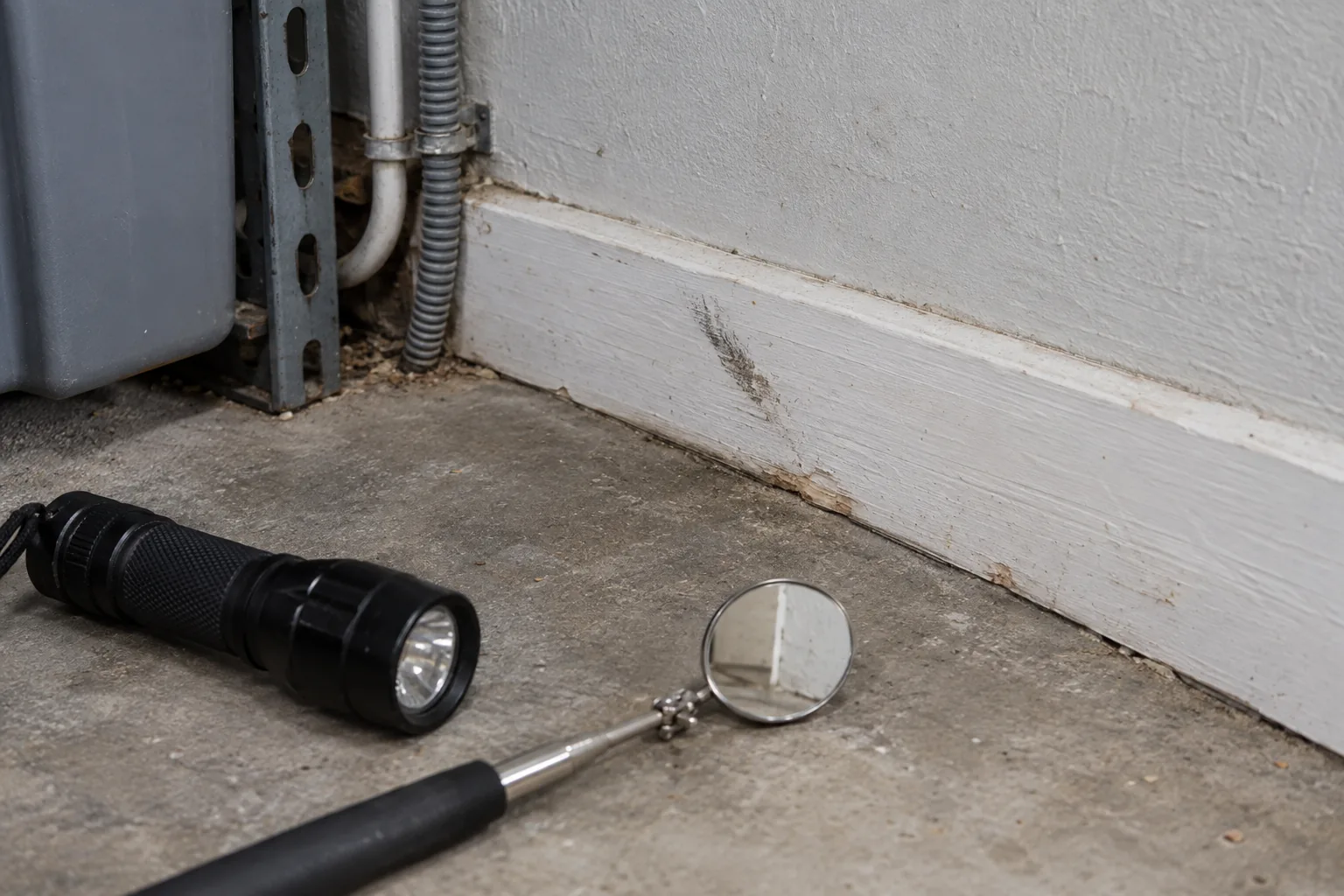
Usually, some level of inspection is needed before treatment.
But the depth can vary.
A basic service may inspect only the immediate problem area.
A more complete inspection may include:
- interior routes
- exterior perimeter
- attic access
- crawl-space access
- foundation openings
- garage-door gaps
- roofline areas
- utility penetrations
Ask whether the quote includes a whole-home inspection or only treatment in one area.
How Professionals Identify Active Rodent Areas
Technicians may use evidence such as:
- droppings
- tracks
- gnaw marks
- rub marks
- food damage
- nesting material
- repeated sightings
- trap catches
- scratching sounds
- burrows
No single sign gives a precise population count.
Evidence is most useful for mapping active routes.
See Signs of Mice and Signs of Rats.
Does the Service Include Mouse vs Rat Identification?
It should at least consider which rodent is present.
Mouse and rat control differ in:
- trap size
- route placement
- exclusion priorities
- exterior activity
- safety requirements
See Rat vs Mouse: How to Tell the Difference.
Is Trapping Included?
Often, yes.
Mechanical trapping may be used for:
- mice
- rats
- indoor routes
- accessible monitoring areas
Traps offer:
- known placement
- direct monitoring
- retrievable catches
A professional may place traps along:
- wall edges
- cabinet routes
- garage walls
- basement edges
- attic routes
- crawl-space routes
- foundation edges
See Mouse Traps and Rat Traps.
Are Traps Checked by the Company?
Sometimes.
Some services include:
- scheduled trap checks
- trap resetting
- trap relocation
- catch removal
Others expect the homeowner to:
- check traps
- report catches
- follow service instructions
Ask who is responsible.
Does Rodent Removal Include Poison or Bait?
It may.
Rodenticide is a pesticide.
A company may use it only when appropriate for the service plan and permitted by the product label.
That can involve:
- label-compliant bait
- compatible bait stations
- controlled placement
- scheduled servicing
Professional use does not make pesticide rules optional.
Are Bait Stations Included?
Sometimes.
A bait station is a housing for rodenticide bait.
It may help:
- restrict access
- stabilize placement
- support servicing
But a bait station does not make rodenticide automatically safe.
Tamper-resistant does not mean:
- childproof
- pet-proof
- wildlife-proof
- risk-free
See Mouse Bait Stations and Rat Bait Stations.
Does Rodent Removal Include Dead Rodent Removal?
Sometimes.
A provider may remove an accessible dead mouse or rat from:
- a trap
- an open attic route
- a crawl-space area that can be reached safely
- a garage
- a basement
- another accessible location
But a dead rodent inside:
- a wall
- ceiling
- sealed cabinet void
- inaccessible crawl space
may be difficult or impossible to retrieve without opening the structure.
Ask what carcass removal is included.
What If a Dead Rodent Is Inside a Wall?
The service may not include opening the wall.
The provider may:
- help narrow the likely location
- explain whether access is practical
- recommend another contractor
Opening drywall or building assemblies may require:
- repair
- electrical caution
- plumbing caution
- fire-rated assembly considerations
Do not assume carcass removal from a hidden wall is included in a standard visit.
Does Rodent Removal Include Exclusion?
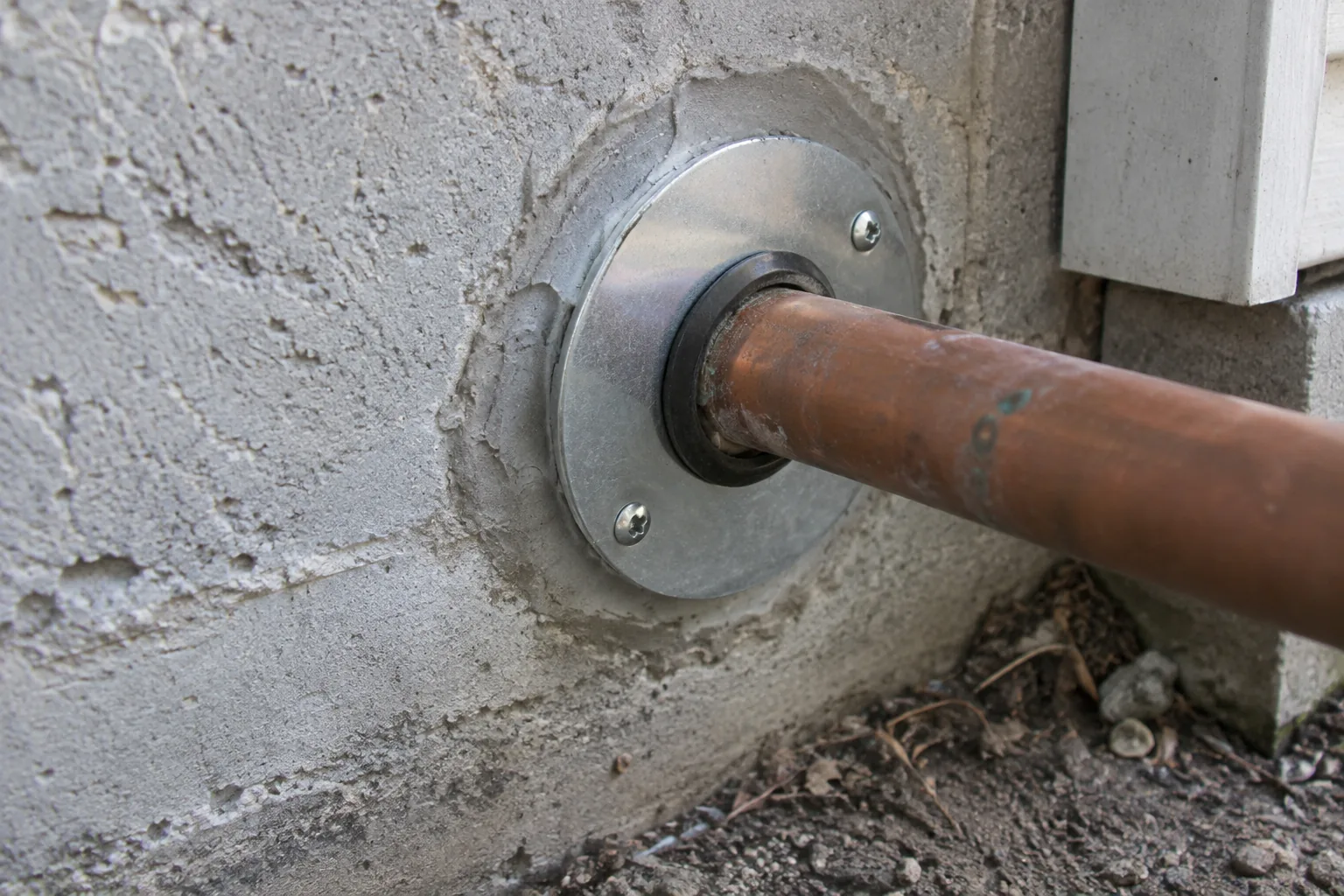
Sometimes.
Exclusion means repairing or blocking the openings that allow rats or mice into the building.
Examples may include:
- utility penetrations
- door gaps
- garage-door corners
- foundation openings
- crawl-space vents
- siding gaps
- soffits
- attic vents
- roofline openings
Some companies include exclusion.
Others quote it separately.
Some only identify the openings.
See Rodent Exclusion: How to Keep Rats & Mice Out.
Why Exclusion Matters
Treatment removes or controls rodents already active.
Exclusion reduces future entry.
Without exclusion, the cycle may repeat:
- rodents enter
- traps remove some
- activity declines
- new rodents enter
- the problem returns
Long-term control usually depends on both treatment and entry-point repair.
Does Rodent Removal Include Structural Repairs?
Maybe.
Simple exclusion repairs may be within the pest-control company’s scope.
More complex work may require:
- roofer
- electrician
- plumber
- HVAC contractor
- carpenter
- mason
- general contractor
Ask which repairs the company performs directly.
Do Not Seal Rodents Inside
Exclusion timing matters.
If rodents are active inside, blindly sealing the only known route can cause them to:
- move deeper into the building
- gnaw a new opening
- enter another room
- die in an inaccessible cavity
A practical sequence is:
- inspect
- identify active routes
- control active rodents
- reduce food and shelter
- complete durable exclusion
- monitor
Does Rodent Removal Include Cleanup?
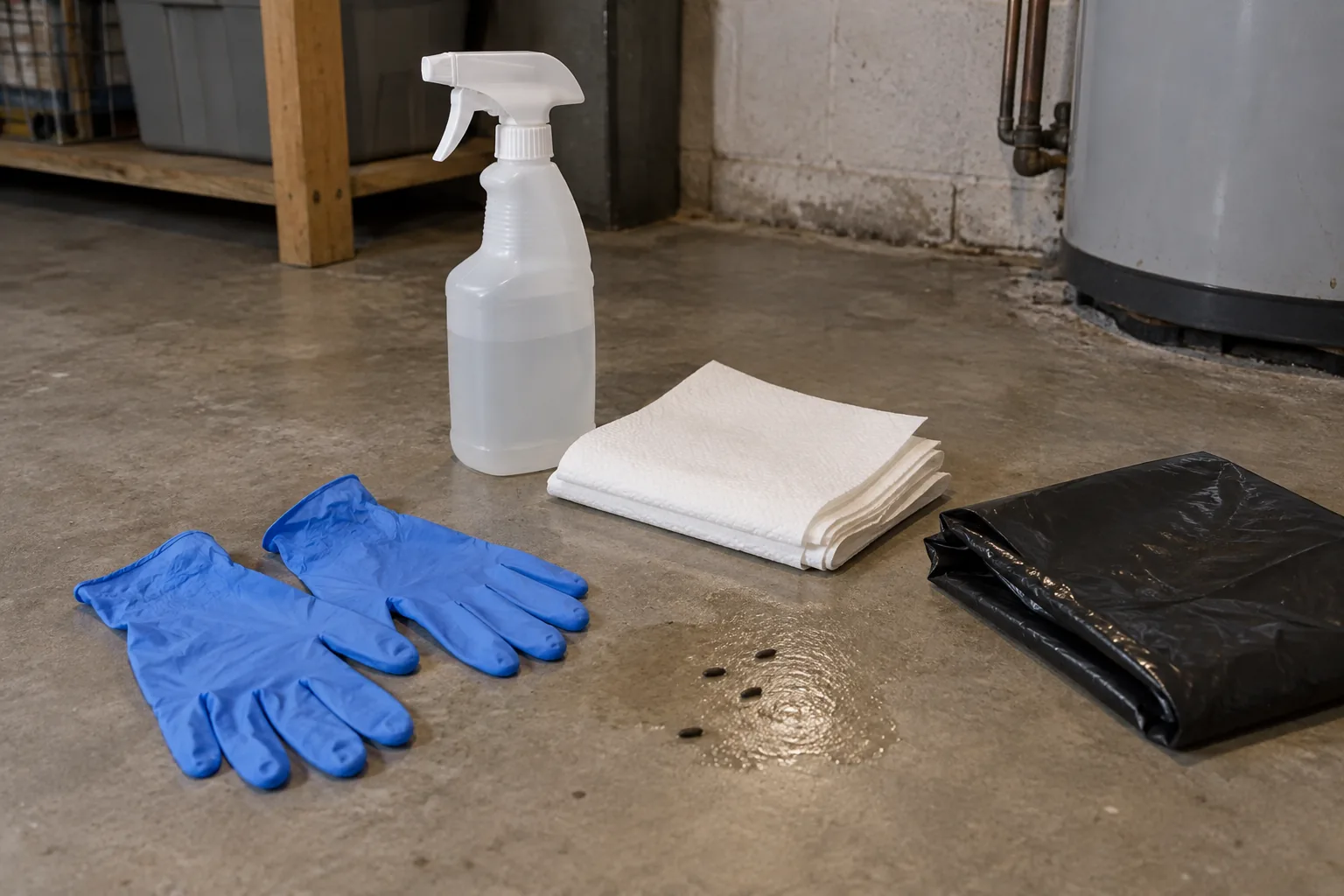
Sometimes.
Cleanup may be:
- included
- quoted separately
- limited to small accessible areas
- referred to a specialist
Possible cleanup work may include:
- droppings
- nesting material
- contaminated hard surfaces
- accessible carcass areas
- heavily affected insulation
Ask exactly what is included.
How Should Fresh Rodent Waste Be Cleaned?
For small accessible contaminated areas:
- keep children and pets away
- wear suitable gloves
- do not dry sweep or vacuum fresh droppings
- wet contaminated hard surfaces with an appropriate disinfecting solution
- follow required contact time
- collect waste carefully
- bag waste appropriately
- clean nearby hard surfaces
- wash hands after removing gloves
See the cleanup section and rodent safety section.
Does Rodent Removal Include Attic Cleanup?
Not automatically.
Attic cleanup may involve:
- droppings
- nesting material
- contaminated insulation
- accessible carcasses
It may require a separate quote.
Do not assume the trapping price includes:
- insulation removal
- insulation replacement
- deodorizing
- sanitation
- air sealing
Ask for a written scope.
Does Rodent Removal Include Crawl-Space Cleanup?
Not automatically.
Crawl spaces may involve:
- moisture
- contamination
- plumbing
- electrical hazards
- difficult access
Cleanup may be a separate service.
Safe access comes first.
Rodent Removal in the Kitchen
Kitchen service may include inspection around:
- lower cabinets
- under sinks
- pantry edges
- accessible appliance routes
- plumbing penetrations
Treatment should stay away from:
- food-preparation surfaces
- appliance machinery
- unsafe electrical areas
Food sanitation is usually part of the recommendations.
Rodent Removal in the Garage
Garage service may involve:
- wall routes
- lower door gaps
- utility penetrations
- bird seed
- pet food
- stored feed
- shared walls with the house
Traps or stations should remain:
- out of vehicle paths
- away from garage-door hardware
- retrievable
- protected from children and pets
Rodent Removal in the Basement
Basement inspection may focus on:
- foundation edges
- storage routes
- plumbing
- utility penetrations
- sill areas
Treatment should not interfere with:
- electrical equipment
- gas equipment
- standing water
- plumbing access
Rodent Removal in the Attic
Attics may involve:
- insulation
- wiring
- roofline openings
- vents
- soffits
- narrow access
Service may include:
- inspection
- trapping
- monitoring
- exclusion recommendations
Cleanup or insulation work may be separate.
Rodent Removal in Crawl Spaces
Crawl-space work can be more complex because of:
- limited headroom
- moisture
- electrical hazards
- contamination
- structural access
Do not assume every technician will enter every crawl space.
Unsafe spaces may require specialized access or another contractor.
Rodent Removal in Apartments
Apartment service may reduce activity inside one unit.
But the larger problem may involve:
- shared walls
- plumbing chases
- common areas
- neighboring units
- exterior defects
A pest-control provider may document visible entry routes for property management.
Legal responsibility varies by lease and location.
Mouse Removal Services vs Rat Removal Services
The service can differ.
Mouse removal may focus more on:
- kitchens
- cabinets
- garages
- basements
- small utility gaps
- mouse-sized traps
Rat removal may more often involve:
- larger traps
- foundations
- crawl spaces
- yards
- decks
- burrows
- rooflines
- more powerful exclusion work
For detailed professional process pages, see Professional Mouse Control and Professional Rat Control.
Are Outdoor Rodent Problems Included?
Maybe.
Some providers include exterior service.
Others limit treatment to the structure.
Outdoor inspection may include:
- foundation edges
- garbage areas
- bird seed
- fallen fruit
- pet food
- sheds
- decks
- burrows
Ask whether exterior work is part of the quote.
Does Rodent Removal Include Burrow Treatment?
Not always.
A hole near the building is not automatically an active rat burrow.
A professional may inspect for:
- fresh soil
- smooth openings
- tracks
- droppings
- worn paths
Do not improvise burrow treatment with:
- flooding
- smoke
- fire
- gasoline
- exhaust
- household chemicals
- boiling water
- blind collapse
Burrow management should be coordinated with the larger control plan.
What Happens During Follow-Up Visits?
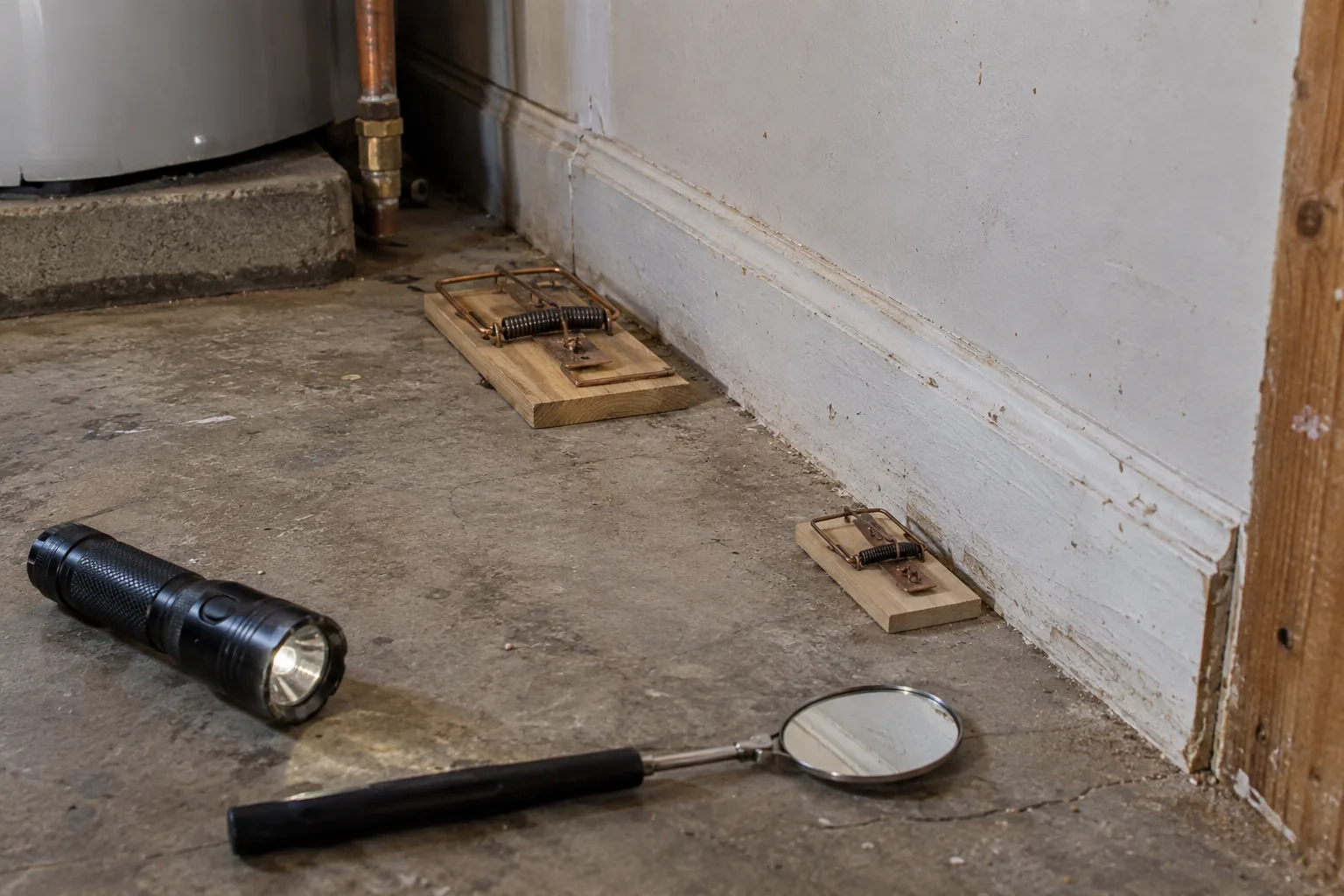
Follow-up may include:
- checking traps
- removing catches
- resetting or moving traps
- checking stations where used
- looking for fresh droppings
- reviewing gnawing or track activity
- checking repairs
- reassessing food and shelter
- adjusting treatment
A useful follow-up should respond to new evidence.
How Many Follow-Up Visits Are Included?
It depends on the provider.
A quote may include:
- one follow-up
- several scheduled visits
- an ongoing service plan
- no follow-up unless purchased separately
Ask before service begins.
How Do You Know the Service Is Working?
Look for a decline in fresh activity.
Useful indicators include:
- fewer or no new droppings
- no new gnawing
- declining trap activity
- fewer sightings
- no repeated scratching
- no fresh tracks
- no reopened entry points
One quiet night is not proof the problem is solved.
Does Rodent Removal Include a Warranty?
Sometimes.
Warranty language varies.
A warranty may apply only to:
- certain repairs
- certain treatment periods
- certain service areas
It may exclude:
- new structural damage
- open doors
- utility work
- sanitation problems
- unapproved repairs
Ask what the warranty actually covers.
What Should a Rodent Removal Quote Include?
A useful quote should explain:
- inspection scope
- target pest
- treatment methods
- service areas
- number of visits
- trap or station servicing
- carcass removal
- exclusion
- cleanup
- repairs
- follow-up
- warranty
- exclusions from the quote
A vague “rodent removal” line item may not tell you enough.
What May Cost Extra?
Depending on the provider, separate charges may apply for:
- exclusion
- roofline work
- crawl-space work
- attic cleanup
- insulation removal
- insulation replacement
- structural repairs
- carcass retrieval from difficult locations
- additional follow-up
- recurring service
Ask before work begins.
How Much Does Rodent Removal Cost?
Price depends on the scope.
Factors may include:
- mouse vs rat
- number of active areas
- attic or crawl-space access
- trapping
- bait-station service
- exclusion
- repairs
- cleanup
- follow-up
For existing species-specific price context, see Mouse Exterminator Cost and Rat Exterminator Cost.
What Should You Do Before the Appointment?
Useful preparation may include:
- note where rodents were seen
- photograph fresh signs if practical
- make cabinets or utility areas accessible
- secure pets if requested
- point out food damage
- list previous trap or bait attempts
- note known leaks or repair work
Do not dismantle:
- appliances
- electrical systems
- HVAC equipment
- walls
just to prepare.
Should You Clean Everything Before the Inspection?
Not necessarily.
Fresh evidence can help the technician identify active routes.
If cleanup is necessary, use safe wet-cleaning methods.
If contamination is extensive, ask the provider how they want the area handled before service.
What Questions Should You Ask Before Hiring?
Ask:
- What does your rodent removal service include?
- Is the inspection interior and exterior?
- Will you identify whether the problem is mice or rats?
- Do you use traps, bait stations, or both?
- Who checks the traps?
- Is carcass removal included?
- Is exclusion included?
- Is cleanup included?
- Are repairs included?
- Are follow-up visits included?
- Do you inspect attics or crawl spaces?
- What does the warranty cover?
- What is excluded from the quote?
Red Flags in a Rodent Removal Quote
Be cautious when the provider cannot explain:
- what pest is being treated
- what areas will be inspected
- what methods will be used
- whether follow-up is included
- whether exclusion is included
- what happens if activity continues
- what the warranty means
A clear scope is important.
When Another Trade May Be Needed
Rodent removal may reveal building problems that need another specialist.
Examples include:
- damaged wiring
- plumbing leaks
- roof damage
- HVAC defects
- structural damage
- appliance problems
Pest control does not replace:
- electrical repair
- plumbing repair
- roofing
- structural repair
Can Rodent Removal Prevent Rodents Forever?
No.
Even a complete service cannot make a property permanently immune to rats or mice.
New entry pressure can develop because of:
- worn door seals
- utility work
- storm damage
- new siding gaps
- roof repairs
- food availability
- landscaping changes
Long-term prevention requires maintenance.
See Rodent-Proofing a House: Complete Prevention Guide.
Rodent Removal Services: The Bottom Line
A professional rodent removal service may include:
- inspection
- identification
- trapping or other legal control
- monitoring
- accessible carcass removal
- exclusion
- cleanup
- repair recommendations
- follow-up
But not every provider includes every item.
Before hiring, ask for a clear written scope.
The most complete service should connect:
- active rodent control
- entry-point correction
- sanitation
- monitoring
Removal without exclusion may allow new rodents to enter.
Exclusion without controlling rodents already inside can also create problems.
The best plan matches the actual property.
Continue with our rodent exterminator guide, professional mouse control guide, professional rat control guide, rodent exclusion guide, DIY vs professional rodent control guide, or rodent control guide.
For the broader overview, return to [Rats & Mice in the Home](/).