Rodent Exclusion Cost: Sealing & Repair Pricing
Rodent exclusion usually costs anywhere from a few hundred dollars to well over $1,000, depending on how many entry points must be repaired and how difficult they are to reach.
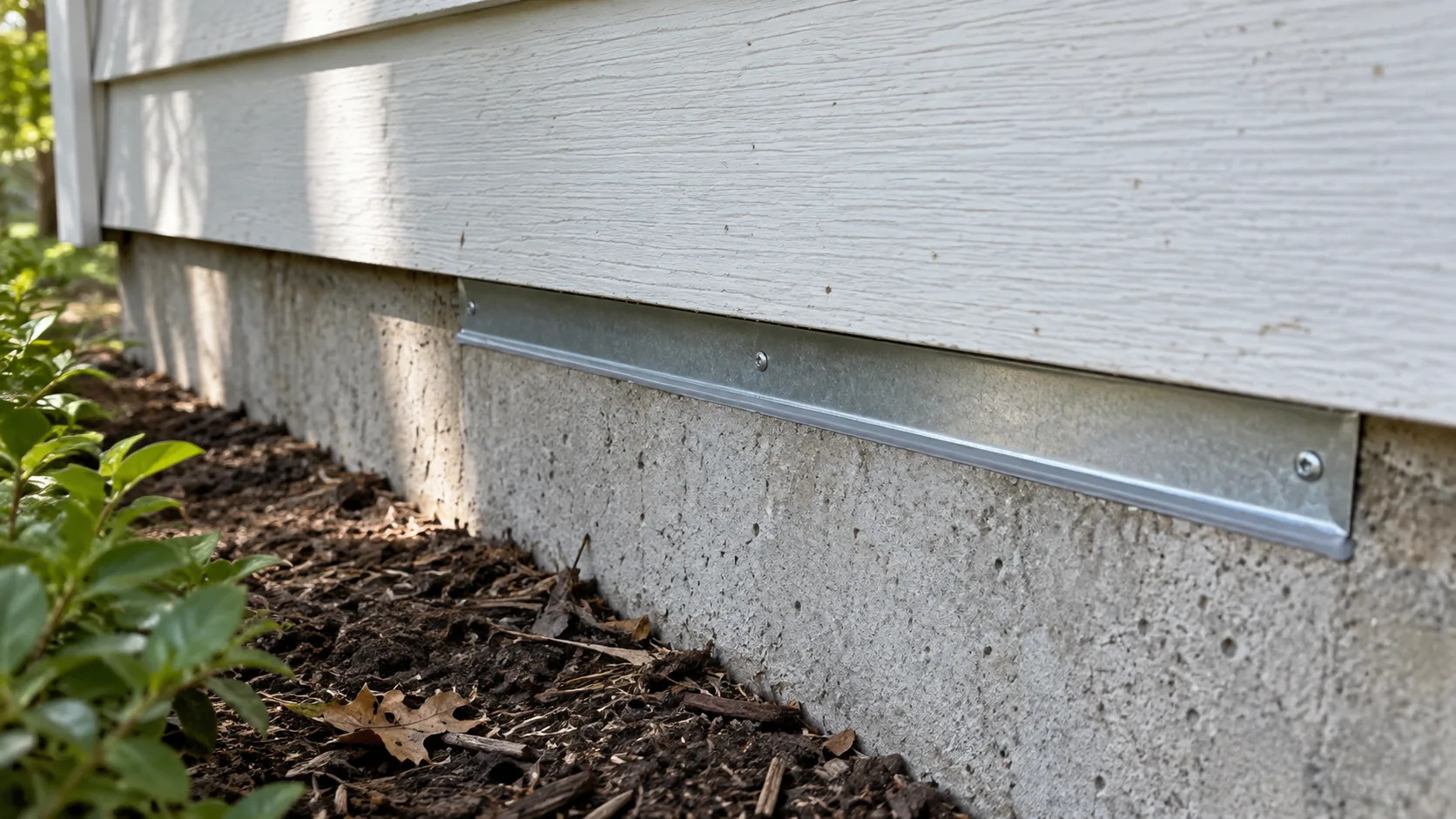
Rodent exclusion usually costs anywhere from a few hundred dollars to well over $1,000, depending on how many entry points must be repaired and how difficult they are to reach.
For broad national planning:
- a few simple, accessible repairs may fall around $200–$600
- broader multi-point or whole-home exclusion often moves into the $600–$1,500+ range
- complex roofline, crawl-space, masonry, garage-door, or repair-heavy projects can cost more
These are planning ranges, not guaranteed quotes.
The final price depends less on the number of mice or rats you saw and more on:
- how many openings exist
- where the openings are
- what materials are required
- how difficult the access is
- whether active rodents must be controlled first
- whether another contractor is needed for building repairs
What Is Rodent Exclusion?
Rodent exclusion is the process of reducing access to a building by repairing or securing the openings rats or mice use.
Typical exclusion work may involve:
- utility penetrations
- doors
- garage doors
- foundations
- crawl-space vents
- siding
- trim
- soffits
- attic vents
- roofline transitions
Exclusion is different from trapping.
Trapping removes rodents already inside.
Exclusion reduces future entry.
See Rodent Exclusion: How to Keep Rats & Mice Out for the full prevention process.
How Much Does Rodent Exclusion Cost?
A useful planning range is:
- $200–$600 for a limited number of straightforward, accessible repairs
- $600–$1,500+ for broader multi-point or whole-home exclusion
- potentially more for difficult rooflines, crawl spaces, masonry, structural repairs, custom door work, or major access problems
The range is wide because “rodent exclusion” can describe very different jobs.
One quote may cover:
- one utility opening
- one door gap
- one damaged screen
Another may cover:
- the full foundation perimeter
- garage doors
- crawl-space vents
- siding transitions
- soffits
- roofline gaps
Those are not comparable scopes.
Rodent Exclusion Cost vs Rodent Removal Cost
Exclusion and removal are different services.
Rodent removal deals with active mice or rats.
It may include:
- traps
- monitored bait stations
- follow-up
- accessible carcass removal
Rodent exclusion deals with the building openings that allow rodents to enter.
See Rodent Removal Cost: What Affects the Price?.
If rodents are already inside, the total project may require both.
Rodent Exclusion Cost vs Rodent Control Cost
Rodent control is the broader category.
A complete control project may include:
- inspection
- trapping
- bait decisions
- exclusion
- cleanup
- monitoring
- repairs
Exclusion is only the building-access portion.
See Rodent Control Cost: Typical Pricing & Cost Factors.
A low exclusion quote should not be compared directly with a full-service rodent-control quote unless both cover the same work.
Does Inspection Cost Extra?
Sometimes.
A professional inspection may be:
- included in the exclusion quote
- billed separately
- credited toward the work
- part of an existing control service
The inspection matters because the contractor needs to identify:
- likely active entry points
- inactive cosmetic gaps
- mouse-sized vs rat-sized openings
- building systems that must remain functional
- repair priorities
See Rodent Inspection: What Professionals Check.
Why the Number of Entry Points Changes the Price
Each opening requires time to:
- inspect
- prepare
- repair
- verify
A house with one obvious utility gap is very different from a house with:
- multiple garage-door gaps
- foundation openings
- damaged crawl-space vents
- siding transitions
- soffit gaps
- roofline defects
More openings usually mean more:
- labor
- materials
- access work
- follow-up
Why Access Changes Exclusion Cost
Accessible ground-level repairs are usually easier.
Cost can rise when work involves:
- rooflines
- second-story areas
- tight crawl spaces
- under-deck spaces
- masonry
- concealed utility routes
- difficult ladder access
Safe access matters.
A contractor should not treat every opening as if it can be reached from the floor.
How Much Does a Simple Utility-Gap Repair Cost?
A single accessible utility penetration is often one of the simpler exclusion tasks.
The actual cost depends on:
- opening size
- wall material
- pipe or cable clearance
- repair material
- access
- whether the utility needs servicing
A small repair may be part of a larger exclusion package rather than priced alone.
Do not judge a whole-home exclusion quote by the cost of one easy penetration.
How Much Does Door Exclusion Cost?
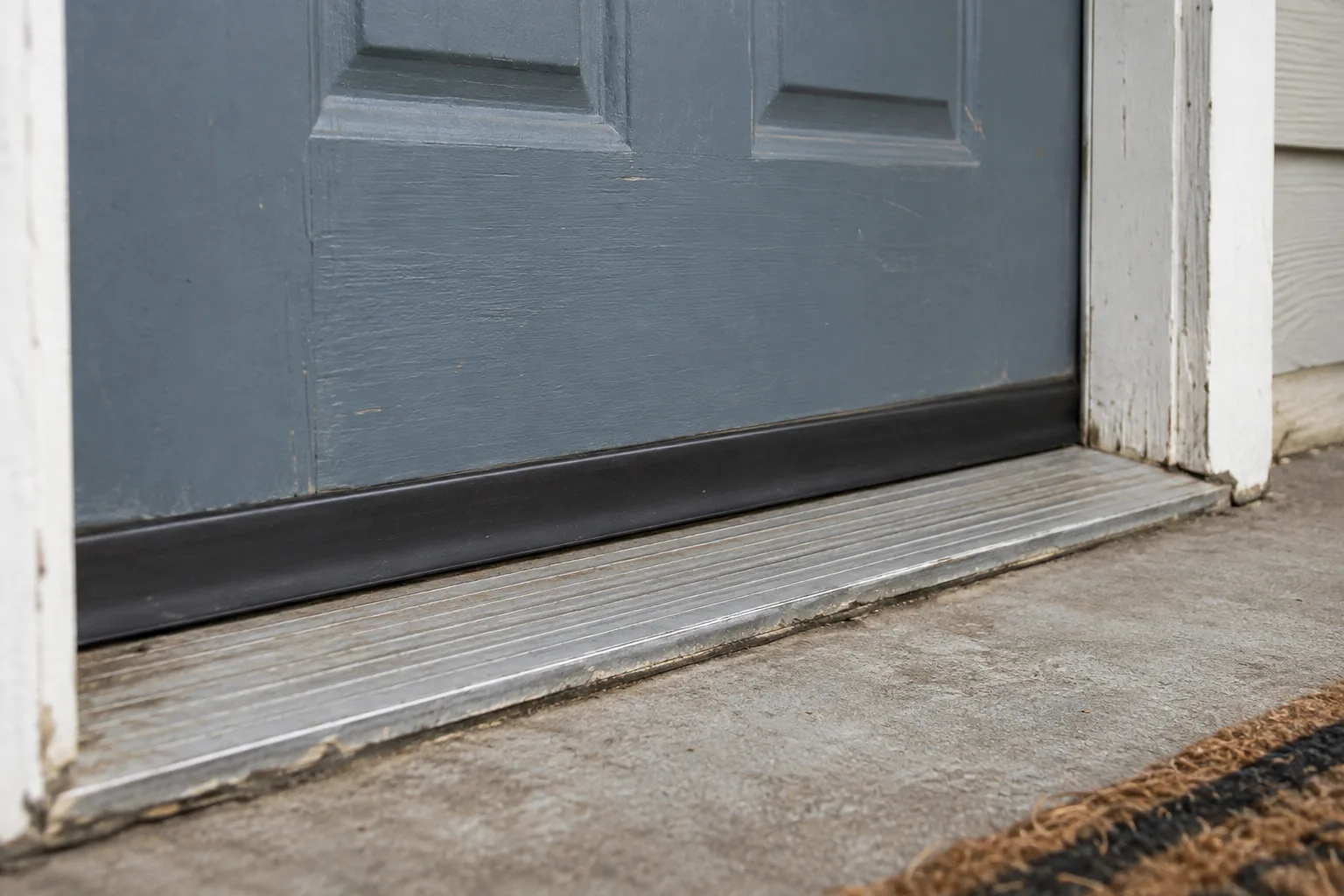
Door-related rodent exclusion may involve:
- worn sweeps
- damaged weatherstripping
- threshold gaps
- lower corner gaps
- damaged trim
Simple weatherstripping or sweep replacement may be relatively inexpensive.
Cost rises when the door or frame requires:
- adjustment
- carpentry
- threshold repair
- metal reinforcement
- replacement
The repair must preserve normal door operation and egress.
How Much Does Garage-Door Exclusion Cost?
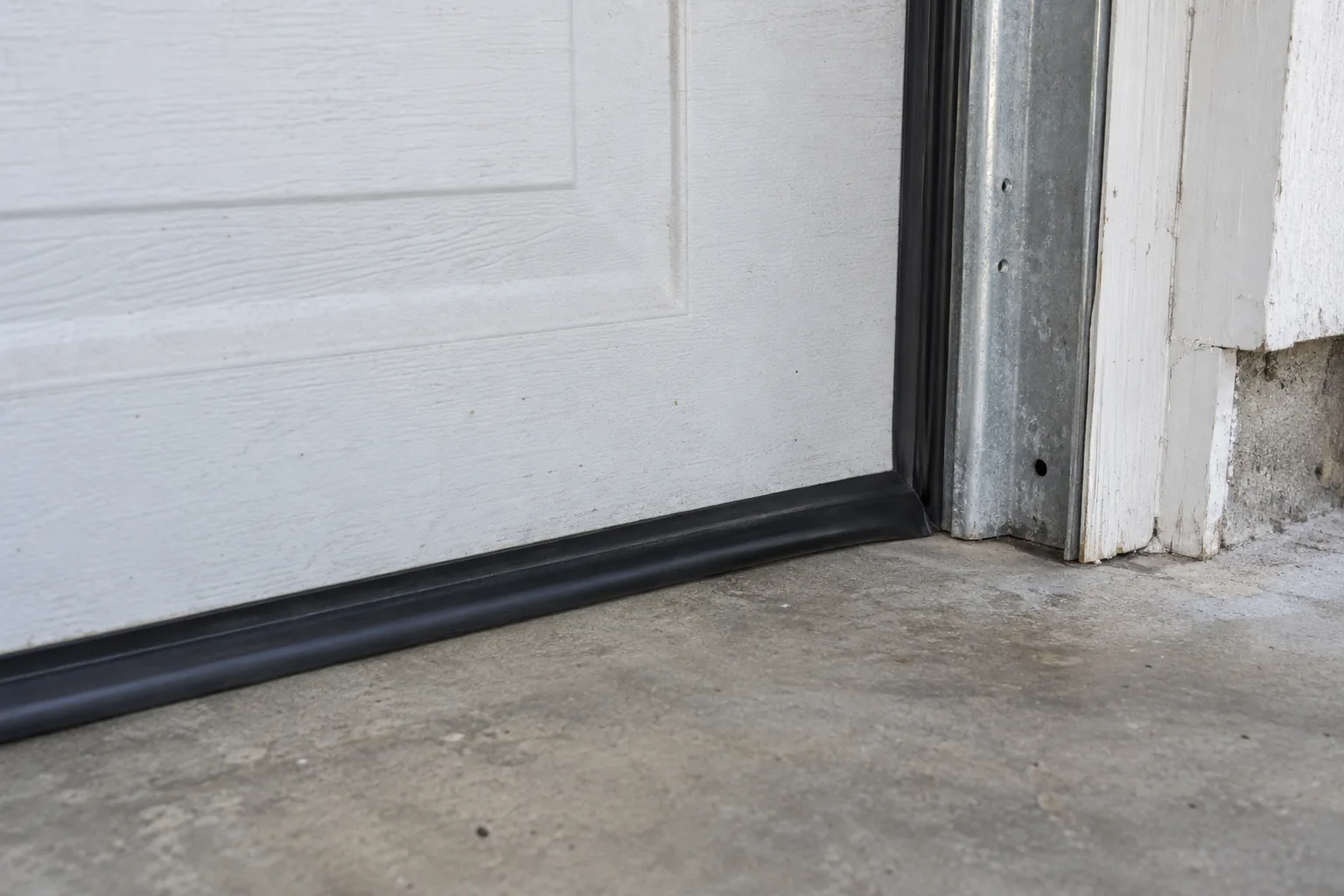
Garage doors can create several rodent access points.
Common issues include:
- lower corner gaps
- worn bottom seals
- side gaps
- damaged trim
- uneven thresholds
Garage-door work can cost more than a small wall-gap repair because the repair must still allow the door to move correctly.
Do not block:
- tracks
- rollers
- safety sensors
- drainage
See How Mice Get Into Your House and How Rats Get Into Your House for common garage entry routes.
How Much Does Foundation Exclusion Cost?
Foundation work varies widely.
Possible repairs include:
- utility penetrations
- masonry gaps
- wall-floor transitions
- damaged vents
- crawl-space openings
Simple accessible patches may remain within a limited exclusion scope.
Cost can increase when work requires:
- masonry repair
- large sections
- difficult access
- custom screening
- foundation contractor involvement
Do not cover intentional drainage or ventilation openings without an appropriate building-specific solution.
How Much Does Crawl-Space Exclusion Cost?
Crawl-space exclusion can cost more because access may be difficult.
Work may involve:
- crawl-space vents
- access doors
- foundation openings
- utility penetrations
- damaged screens
Cost rises when the area is:
- very tight
- wet
- contaminated
- electrically hazardous
- difficult to move through
Unsafe crawl-space work should not be treated as a normal DIY sealing job.
How Much Does Vent Screening Cost?
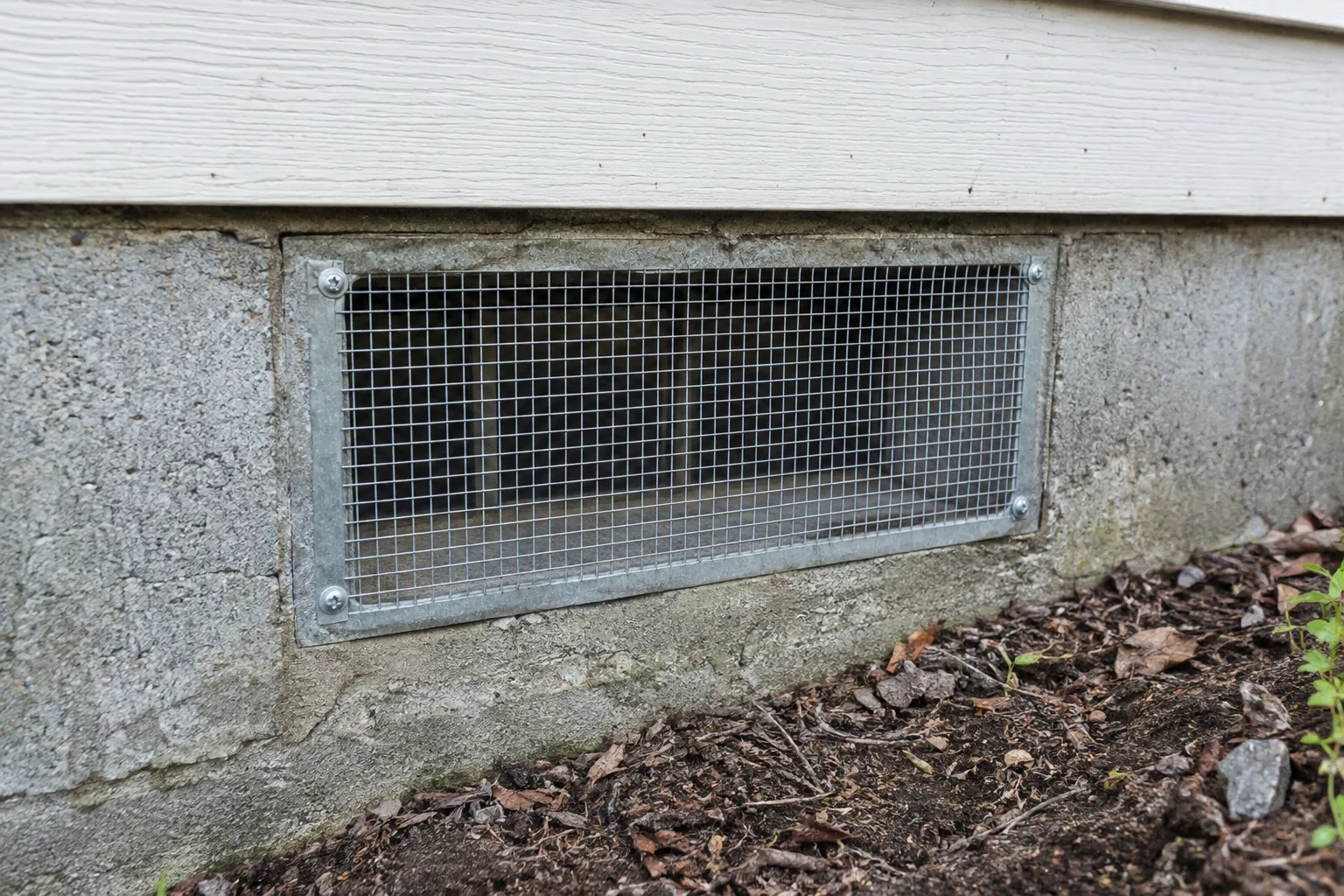
Vent work may involve:
- crawl-space vents
- attic vents
- gable vents
- other protected openings
The goal is to resist rodent entry while preserving the vent’s intended function.
Do not block:
- required ventilation
- dryer exhaust
- combustion air
- HVAC airflow
The cost depends on:
- vent size
- location
- access
- screen/frame condition
How Much Does Soffit or Roofline Exclusion Cost?
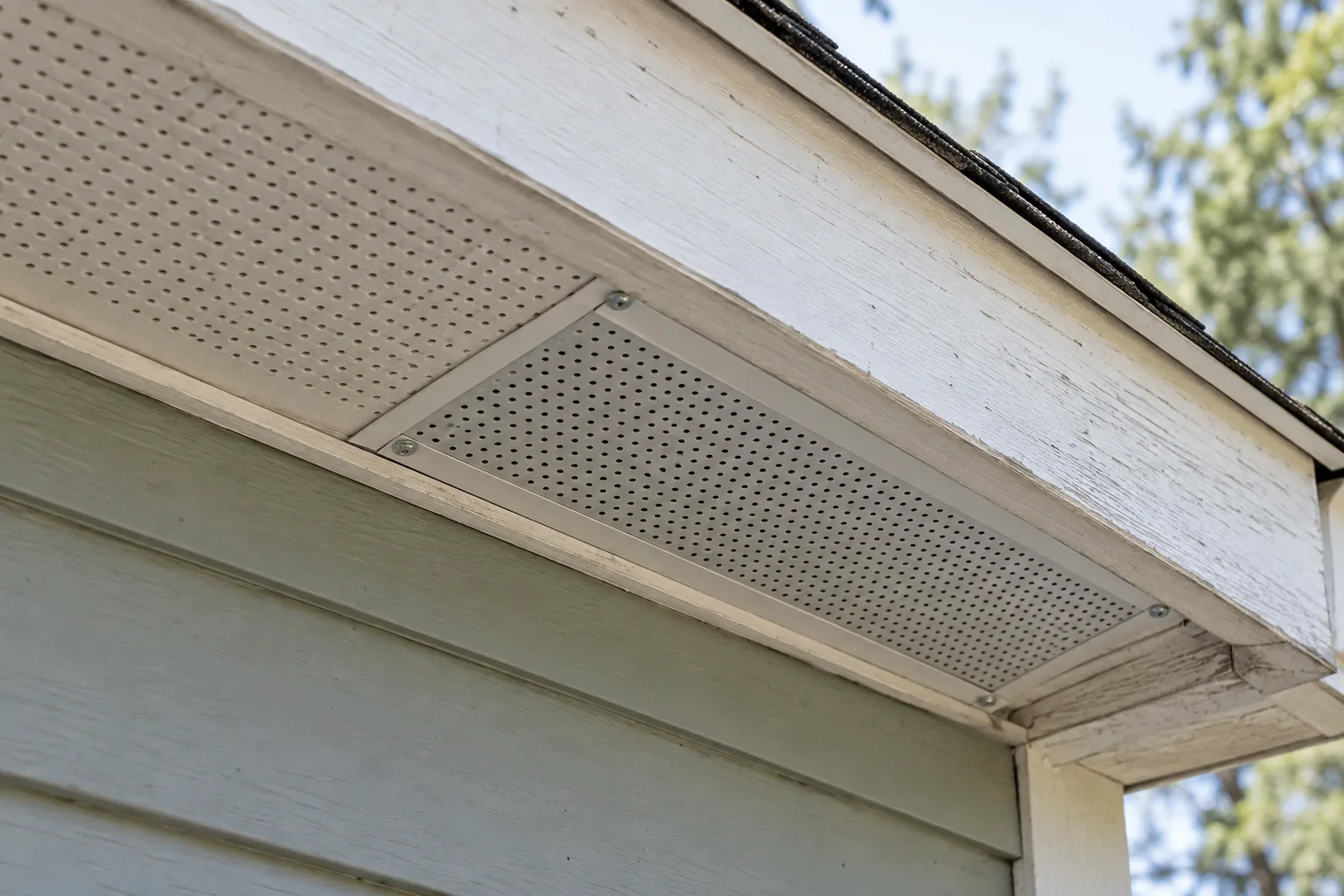
Roofline exclusion is often more expensive than ground-level sealing.
Possible issues include:
- soffit gaps
- fascia damage
- attic vent openings
- roof-to-wall transitions
- damaged trim
Cost rises because of:
- height
- ladder or roof access
- safety
- carpentry
- roofing details
A pest-control company may handle some repairs.
Others may require a roofer or carpenter.
How Much Does Siding or Trim Exclusion Cost?
Rodents may exploit gaps at:
- siding transitions
- corner trim
- wall penetrations
- damaged lower trim
A simple accessible trim repair may be straightforward.
Larger siding damage may require:
- replacement material
- carpentry
- weatherproofing
- another contractor
Exclusion should not create a moisture problem while fixing a rodent problem.
Mouse Exclusion Cost vs Rat Exclusion Cost
Mouse and rat exclusion overlap.
The main difference is often the level of detail required.
Mouse exclusion may require attention to:
- smaller openings
- cabinet and utility gaps
- door corners
- fine building transitions
Rat exclusion may more often involve:
- larger foundation defects
- crawl-space openings
- garage-door gaps
- decks
- roofline routes
See Mouse-Proofing a House and Rat-Proofing a House.
The actual price still depends on the building, not only the rodent species.
Does Whole-Home Exclusion Cost More?
Yes.
Whole-home exclusion may include inspection and repairs across:
- foundation
- doors
- garage
- utilities
- crawl space
- siding
- soffits
- vents
- roofline
A broader project requires more labor and materials.
That is why whole-home exclusion often moves from a few hundred dollars into the high hundreds or low thousands.
What Materials Affect Rodent Exclusion Cost?
The correct material depends on the construction detail.
Possible materials include:
- metal screening
- flashing
- rodent-resistant backing
- mortar
- compatible sealant
- door sweeps
- weatherstripping
- building-specific repair materials
Material cost matters, but labor and access often matter more.
A durable repair is more important than simply using the cheapest filler.
Why Foam Alone Is Not Always a Complete Repair
Foam can be useful in some building details when combined appropriately.
But a large exposed foam patch is not automatically a durable rodent barrier.
Rodents may gnaw weak exposed material.
A repair should match:
- the opening
- surrounding material
- moisture exposure
- utility function
- service needs
The best solution depends on the specific construction detail.
Does Rodent Exclusion Include Trapping?
Not always.
Some companies bundle:
- trapping
- exclusion
- follow-up
Others separate them.
If rodents are still active inside, removal may need to happen before final closure.
Ask whether the quote includes active rodent control.
Why You Should Not Seal Active Rodents Inside
Exclusion timing matters.
Blindly closing a route while rodents remain inside can cause them to:
- move deeper into the building
- gnaw another opening
- enter another room
- die in an inaccessible cavity
A practical sequence is often:
- inspect
- identify active routes
- control rodents already inside
- complete exclusion
- monitor
Does Exclusion Include Cleanup?
Not automatically.
Cleanup may be a separate service.
Possible cleanup includes:
- droppings
- nesting material
- urine contamination
- carcasses
- contaminated insulation
See Rodent Cleanup: Droppings, Urine & Contaminated Areas.
A complete quote should separate exclusion from cleanup.
Does Exclusion Include Damage Repair?
Sometimes.
Simple building repairs may be part of the exclusion scope.
Other repairs may require:
- electrician
- plumber
- roofer
- carpenter
- mason
- HVAC contractor
- garage-door technician
Pest control does not replace every building trade.
Why Roof, Electrical, Plumbing, and HVAC Work May Cost Extra
Exclusion sometimes reveals building-system problems.
Examples include:
- damaged wiring
- leaking plumbing
- damaged roof flashing
- broken vents
- HVAC penetrations
- structural rot
The pest-control provider may identify the issue but refer the repair.
That can make the total project cost higher than the exclusion quote alone.
Does Home Size Affect Rodent Exclusion Cost?
Yes, but square footage is not the only factor.
A larger house may have:
- more perimeter
- more doors
- more utilities
- more roofline
- more vents
But a smaller older house with many defects may require more work than a larger newer house.
Do not rely on square footage alone.
Does Home Age Affect Cost?
It can.
Older homes may have:
- more construction transitions
- worn door seals
- older vents
- patched utility openings
- foundation gaps
- previous repairs
Newer homes can also have rodent entry points.
Age is only one factor.
Does the Number of Rodents Affect Exclusion Cost?
Not directly.
Exclusion is priced primarily around the building work.
The number of active rodents may affect:
- removal
- trapping
- monitoring
But exclusion cost depends more on:
- openings
- labor
- materials
- access
- repair complexity
Do not expect pricing “per mouse” or “per rat.”
DIY Rodent Exclusion Cost
DIY exclusion can cost less when:
- the opening is easy to reach
- the construction detail is simple
- the correct repair is obvious
- active rodents are already controlled
- the repair does not affect utilities or ventilation
DIY expenses may include:
- screening
- backing material
- sealant
- weatherstripping
- door sweep
- basic tools
Professional help becomes more useful when work involves:
- rooflines
- difficult crawl spaces
- masonry
- multiple openings
- unknown routes
- structural damage
- electrical or plumbing concerns
Why DIY Can Become Expensive After Failed Repairs
A weak repair may:
- reopen
- redirect rodents
- hide the active route
- damage a building component
- need replacement
Repeated temporary patches can cost more than one durable repair.
See DIY Rodent Control vs Professional Extermination.
What Should a Rodent Exclusion Quote Include?
A useful written quote should identify:
- which openings will be repaired
- where they are located
- which materials will be used
- whether doors are included
- whether garage-door work is included
- whether crawl-space work is included
- whether roofline work is included
- whether removal/trapping is included
- whether cleanup is included
- number of follow-up visits
- warranty or re-service terms
- excluded work
Avoid vague “seal house” proposals with no repair list.
What May Cost Extra?
Depending on the provider, additional charges may apply for:
- roof access
- crawl-space access
- garage-door repair
- masonry
- carpentry
- siding repair
- custom vent screening
- structural repair
- removal/trapping
- cleanup
- insulation work
- additional follow-up
Ask for a written scope before work begins.
Is a Warranty Included?
Sometimes.
Warranty terms vary.
A warranty may cover:
- specific repaired openings
- a limited time period
- re-service of certain exclusion work
It may not cover:
- new openings
- storm damage
- utility changes
- door damage
- homeowner modifications
- unrelated structural failure
Ask exactly what is covered.
Why the Cheapest Exclusion Quote Is Not Always Cheapest
A low price may cover only:
- one or two visible gaps
- temporary filler
- no inspection
- no follow-up
If the active route is missed, rodents can return.
A higher quote may include:
- full perimeter inspection
- multiple repairs
- better materials
- follow-up
That does not mean the higher price is automatically better.
Compare the repair list.
Why the Highest Quote Is Not Automatically Better
A large proposal should be supported by visible or documented findings.
Ask the provider to show:
- openings
- damaged vents
- door gaps
- roofline defects
- utility penetrations
- crawl-space issues
Do not approve broad repair work that cannot be explained.
Questions to Ask About Rodent Exclusion Cost
Before hiring, ask:
- Which entry points are active or high priority?
- How many openings will you repair?
- What materials will you use?
- Is trapping/removal included?
- Is cleanup included?
- Is roofline work included?
- Is crawl-space work included?
- Is garage-door repair included?
- Will another trade be needed?
- How many follow-up visits are included?
- What does the warranty cover?
- What could increase the final price?
These questions make competing quotes easier to compare.
Rodent Exclusion Cost: The Bottom Line
For planning purposes:
- a few simple, accessible rodent-exclusion repairs may fall around $200–$600
- broader multi-point or whole-home exclusion often moves into the $600–$1,500+ range
- complex roofline, crawl-space, masonry, structural, or repair-heavy projects can cost more
These are broad national planning ranges, not guaranteed prices.
The final cost depends on:
- number of openings
- access
- repair material
- building type
- roofline or crawl-space work
- doors and garage doors
- utility penetrations
- whether active removal is still needed
- whether cleanup or another trade is required
The most useful quote is not the one with the lowest number.
It is the one that clearly shows:
- what will be repaired
- what materials will be used
- what is excluded
- what happens if rodents are still active
- how the work will be checked afterward
Continue with our rodent exclusion guide, rodent control cost guide, rodent removal cost guide, rodent inspection guide, rodent-proofing guide, or DIY vs professional rodent control guide.
For broader pricing topics, visit the rodent cost section.