DIY Rodent Control vs Professional Extermination
DIY rodent control can work well for some mouse and rat problems. Professional pest control can be more useful for others, depending on complexity, access, recurrence, contamination, and safety.
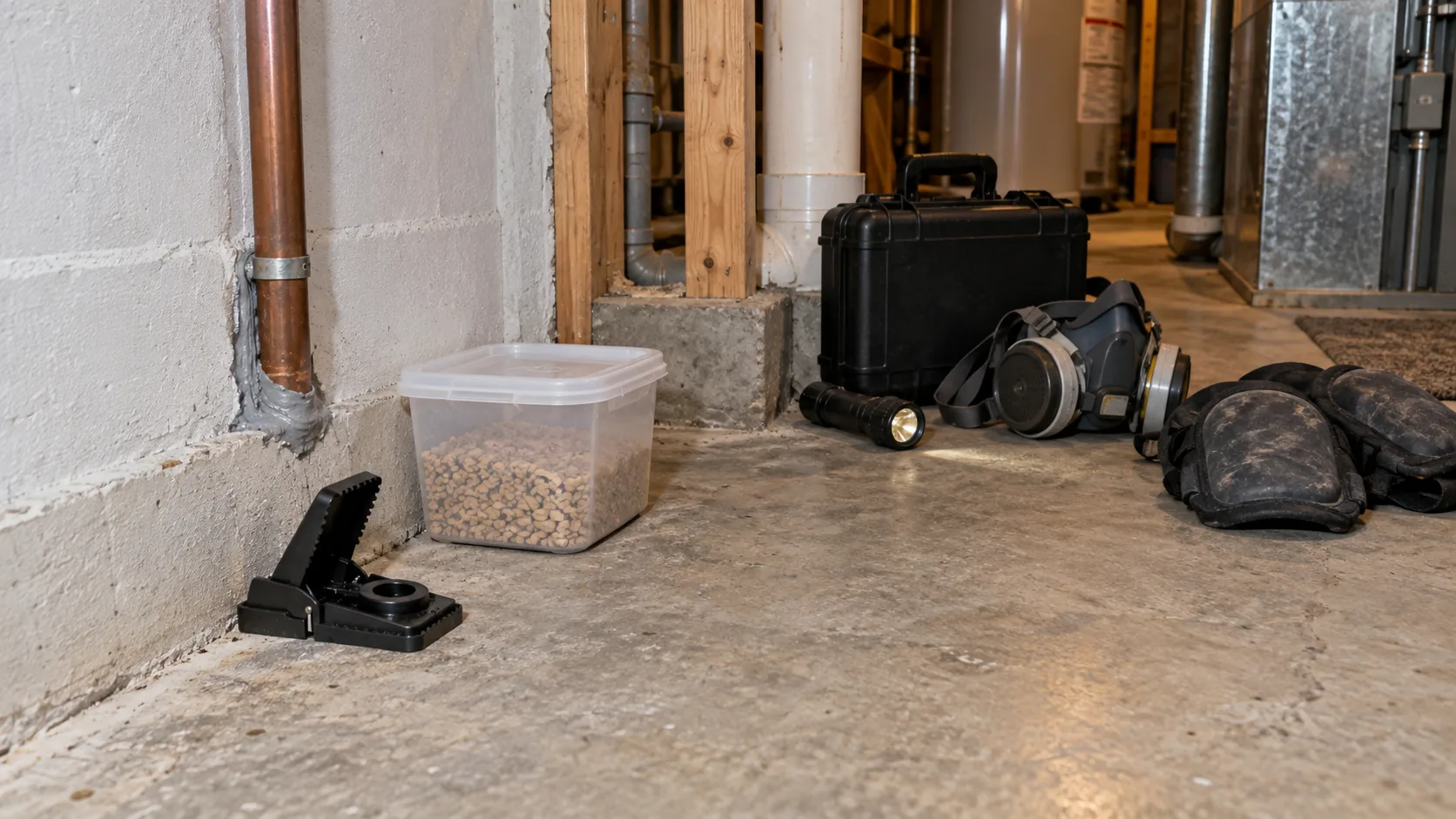
DIY rodent control can work well for some mouse and rat problems.
Professional pest control can be more useful for others.
The difference usually comes down to five things:
- how clearly you can identify the problem
- how safely you can reach the active areas
- how complicated the entry routes are
- whether activity keeps returning
- whether the job involves hazards, contamination, or building repairs
A simple mouse problem in an accessible kitchen cabinet is very different from rats moving through a crawl space, attic, foundation, and yard.
So there is no single answer that fits every home.
The most useful comparison is not:
“DIY or professional — which is always better?”
It is:
“Which approach matches the complexity and risk of this rodent problem?”
Quick Answer: DIY vs Professional Rodent Control
DIY rodent control may be reasonable when:
- activity appears limited
- the rodent is clearly identified
- active routes are accessible
- traps can be placed safely
- entry points are simple and easy to repair
- contamination is light and accessible
- children and pets can be protected from treatment
- you can monitor the problem consistently
Professional rodent control may make more sense when:
- rats or mice keep returning
- several rooms or levels are involved
- the species is unclear
- activity is inside walls or ceilings
- attic or crawl-space access is difficult
- burrows are close to the structure
- roofline entry is suspected
- electrical wiring is damaged
- contamination is extensive
- safe trapping or pesticide placement is difficult
- structural exclusion requires specialized repair
The best choice depends on the actual problem, not the label “DIY” or “professional.”
What Does DIY Rodent Control Usually Include?
A practical DIY plan may include:
- identifying whether you have mice or rats
- locating fresh activity
- placing species-appropriate traps
- reducing food and water
- cleaning small accessible contaminated areas safely
- inspecting likely entry points
- sealing simple openings
- monitoring for fresh signs
DIY works best when the problem is visible and manageable.
See Rodent Control: Methods, Process & What to Expect for the full control framework.
What Does Professional Rodent Control Usually Include?
A professional service may include:
- interior inspection
- exterior inspection
- species identification
- route mapping
- trap placement
- label-compliant baiting where appropriate
- entry-point identification
- exclusion work or exclusion recommendations
- follow-up monitoring
- accessible carcass removal
- cleanup recommendations
Not every company includes every service.
Some companies mainly:
- trap
- bait
- monitor
Others also provide:
- exclusion
- attic cleanup
- crawl-space work
- insulation removal
- structural repairs
Ask what is actually included before hiring.
See Rodent Exterminator: What to Expect & When to Call One.
DIY vs Professional Inspection
Inspection is one of the biggest differences between a simple DIY attempt and a complete professional service.
A homeowner may reasonably inspect:
- kitchen cabinets
- pantry edges
- garage walls
- basement edges
- visible utility penetrations
- accessible exterior foundation areas
A professional may have more experience connecting:
- droppings
- tracks
- rub marks
- gnawing
- sounds
- structural routes
- exterior openings
That can matter when the place where you see the rodent is not the place where it entered.
Can You Identify the Rodent Yourself?
Often, yes.
Useful clues include:
- dropping size
- body size
- tracks
- gnaw marks
- direct sightings
See Rat vs Mouse: How to Tell the Difference.
But do not identify the species from one clue alone.
For example:
- attic activity does not automatically mean roof rats
- a ground-level route does not automatically mean Norway rats
- scratching sounds do not prove rats or mice
If identification remains uncertain, professional inspection can prevent treating the wrong problem.
DIY Mouse Control Is Often More Accessible
Mouse activity often occurs in places that are relatively easy to inspect, such as:
- kitchens
- cabinets
- garages
- basements
- pantry edges
- accessible appliance routes
Mouse-sized traps are also easier to place in protected indoor routes.
For limited activity, DIY control may be practical.
DIY Rat Control Can Become More Complicated
Rat control may involve:
- larger, more powerful traps
- foundations
- crawl spaces
- basements
- garages
- yards
- decks
- under-house spaces
- rooflines
Outdoor activity also creates more concern about:
- pets
- wildlife
- children
- weather
- burrows
- inaccessible structural routes
DIY rat control may still be possible, but the safety and access requirements are often higher.
DIY vs Professional Trap Placement
DIY trap placement can work well when active routes are obvious.
Good placement depends on evidence such as:
- fresh droppings
- tracks
- gnawing
- repeated sightings
Professional experience may help when:
- several routes overlap
- traps are repeatedly ignored
- activity moves between rooms
- wall or attic routes are unclear
For mouse placement, see Where to Place Mouse Traps for Best Results.
For rat placement, see Where to Place Rat Traps for Best Results.
DIY vs Professional Rodenticide Use
Rodenticide is a pesticide.
DIY users should only use a labeled product exactly according to its label.
Do not:
- make homemade poison
- mix pesticides with food
- crush or dilute bait
- scatter loose poison
- repackage pesticide bait into food containers
A professional may use rodenticide as part of a broader program when appropriate.
That does not mean every professional treatment needs poison.
A good program should match the method to:
- location
- rodent
- safety
- access
- monitoring needs
See Mouse Bait: What Works & How to Use It Safely and Rat Bait: What Works & How to Use It Safely.
DIY vs Professional Bait Stations
A bait station is only the housing.
The pesticide bait inside it remains regulated by the label.
DIY bait-station use requires:
- correct product
- allowed location
- correct station
- correct servicing
- child and pet protection
Professionals may be better equipped to manage station placement where:
- outdoor routes are complex
- non-target animals are present
- stations require secure anchoring
- multiple service points need monitoring
Tamper-resistant does not mean childproof or pet-proof.
See Mouse Bait Stations and Rat Bait Stations.
DIY vs Professional Exclusion
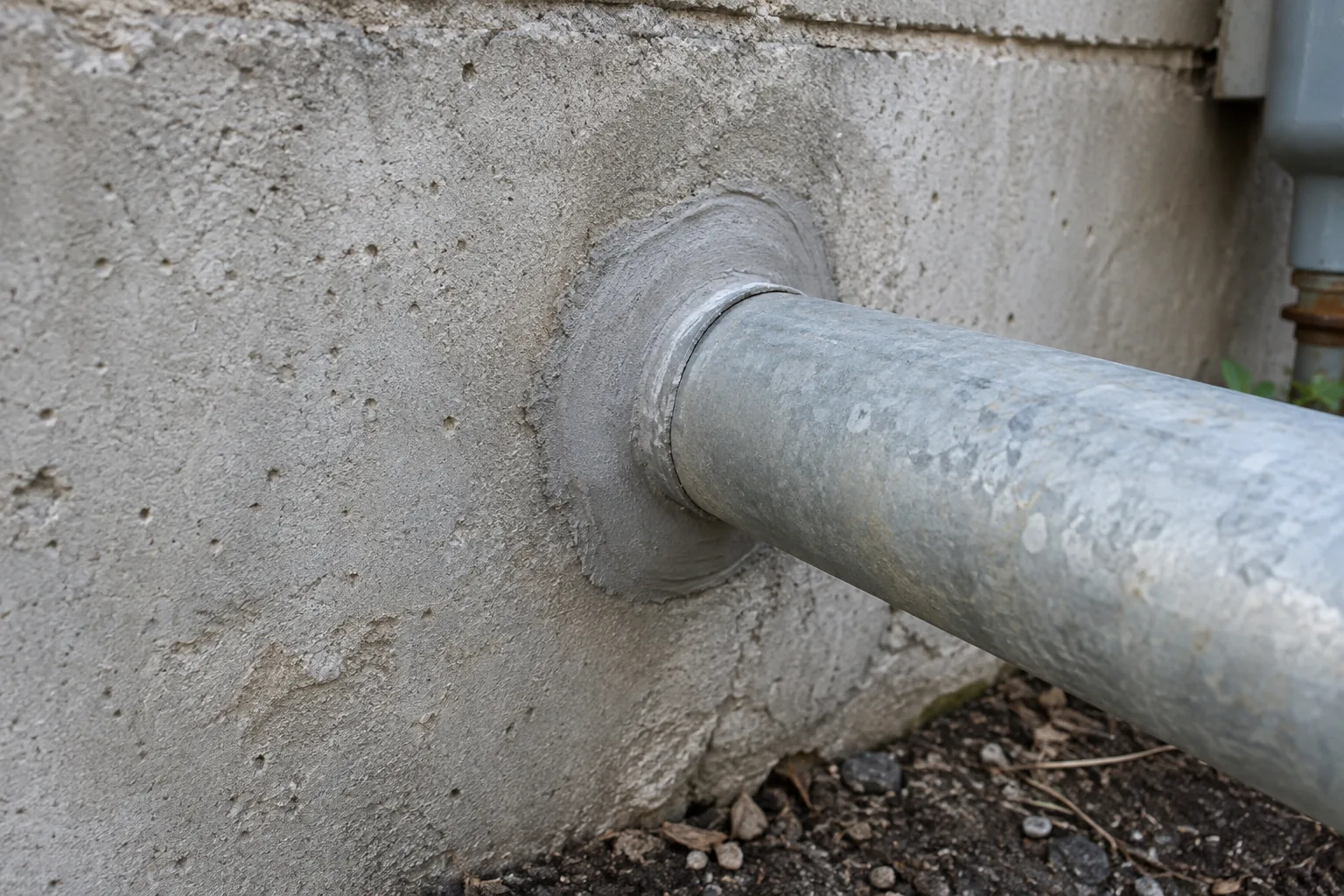
Exclusion means closing rodent entry points.
Simple DIY exclusion may include:
- replacing worn door sweeps
- repairing simple weatherstripping
- sealing a straightforward utility gap
- repairing a small accessible trim defect
Professional exclusion becomes more useful when work involves:
- rooflines
- difficult crawl spaces
- complex siding
- masonry
- several openings
- structural damage
- repeated failed repairs
See Rodent Exclusion: How to Keep Rats & Mice Out.
Do Not Seal Rodents Inside
DIY and professional exclusion both need correct timing.
If rodents are actively inside, blindly sealing the only known route may cause them to:
- move deeper into the building
- gnaw another opening
- enter another room
- die in an inaccessible void
A better sequence is:
- identify active routes
- control rodents already inside
- reduce food and shelter
- complete durable exclusion
- monitor for fresh activity
DIY vs Professional Attic Rodent Control
Attics can quickly move a job beyond simple DIY.
Possible hazards include:
- exposed wiring
- unstable footing
- insulation
- low-clearance areas
- roof access
- heavy contamination
DIY trapping may be reasonable only when:
- safe access is available
- traps can sit on stable surfaces
- every trap can be retrieved
Professional help makes more sense when:
- access is unsafe
- entry is at the roofline
- contamination is extensive
- wiring is damaged
See Mice in the Attic and Rats in the Attic.
DIY vs Professional Crawl-Space Control
Crawl spaces can involve:
- standing water
- tight access
- electrical hazards
- unstable framing
- contamination
- plumbing
- wildlife
Do not enter a crawl space that appears unsafe.
A professional may be better suited when inspection requires extended work in a difficult space.
See Mice in the Crawl Space and Rats in the Crawl Space.
DIY vs Professional Wall or Ceiling Problems
If rodents are active inside walls or ceilings, the route can be difficult to reach.
Do not:
- cut drywall blindly
- place traps in inaccessible voids
- place loose poison inside walls
- spray chemicals into cavities
Look for accessible connected routes.
Professional inspection may help map:
- attic connections
- utility routes
- wall cavities
- exterior openings
DIY vs Professional Cleanup
Small accessible contaminated areas may be manageable with careful wet cleanup.
For fresh droppings or nesting material:
- keep children and pets away
- wear suitable gloves
- do not dry sweep or vacuum
- wet contaminated hard surfaces with an appropriate disinfecting solution
- allow required contact time
- collect waste carefully
- clean the surrounding surface
- wash hands after removing gloves
Professional cleanup becomes more useful when contamination is:
- extensive
- inside insulation
- spread across an attic
- spread across a crawl space
- difficult to access safely
See the cleanup section and rodent safety section.
DIY vs Professional Monitoring
DIY monitoring can work when you can consistently check:
- traps
- fresh droppings
- tracks
- gnawing
- repaired entry points
A professional service may provide scheduled follow-up.
The value of follow-up is not simply more visits.
It is whether the technician uses new evidence to adjust:
- trap placement
- entry-point priorities
- exclusion
- sanitation recommendations
Which Approach Is Faster?
There is no guarantee that DIY or professional control is always faster.
DIY can move quickly when:
- the route is obvious
- the problem is limited
- you already have the correct traps
- exclusion is simple
Professional service may save time when:
- diagnosis is unclear
- several areas are involved
- access is difficult
- repeated DIY attempts have failed
But appointment availability and service scope also affect timing.
Which Approach Costs Less?
DIY has lower upfront labor cost.
But DIY costs may include:
- traps
- protective enclosures
- replacement traps
- exclusion materials
- cleanup supplies
- repeated purchases after failed attempts
- time spent inspecting and monitoring
Professional service may cost more upfront, but may include:
- inspection
- treatment
- follow-up
- exclusion
- warranty coverage
depending on the provider.
Do not assume DIY is always cheaper or professional service is always better value.
For existing price context, see Mouse Exterminator Cost and Rat Exterminator Cost.
DIY Has an Advantage When the Problem Is Simple
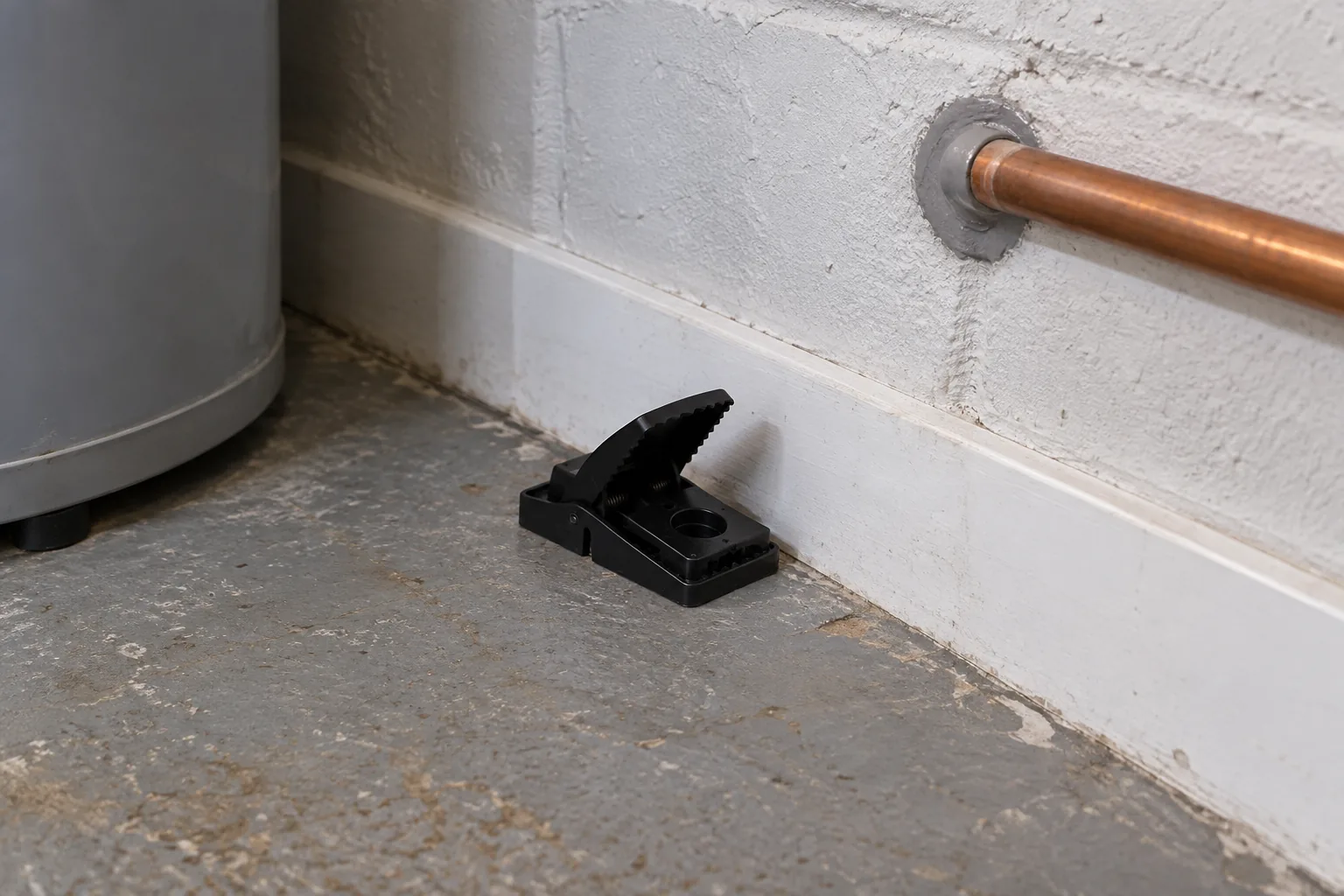
DIY can be a good fit when all of these are true:
- rodent type is clear
- activity is limited
- routes are accessible
- traps can be protected
- contamination is light
- entry points are easy to repair
- monitoring is realistic
A simple mouse route under a kitchen sink may not require a full professional program.
Professional Service Has an Advantage When the Problem Is Complex
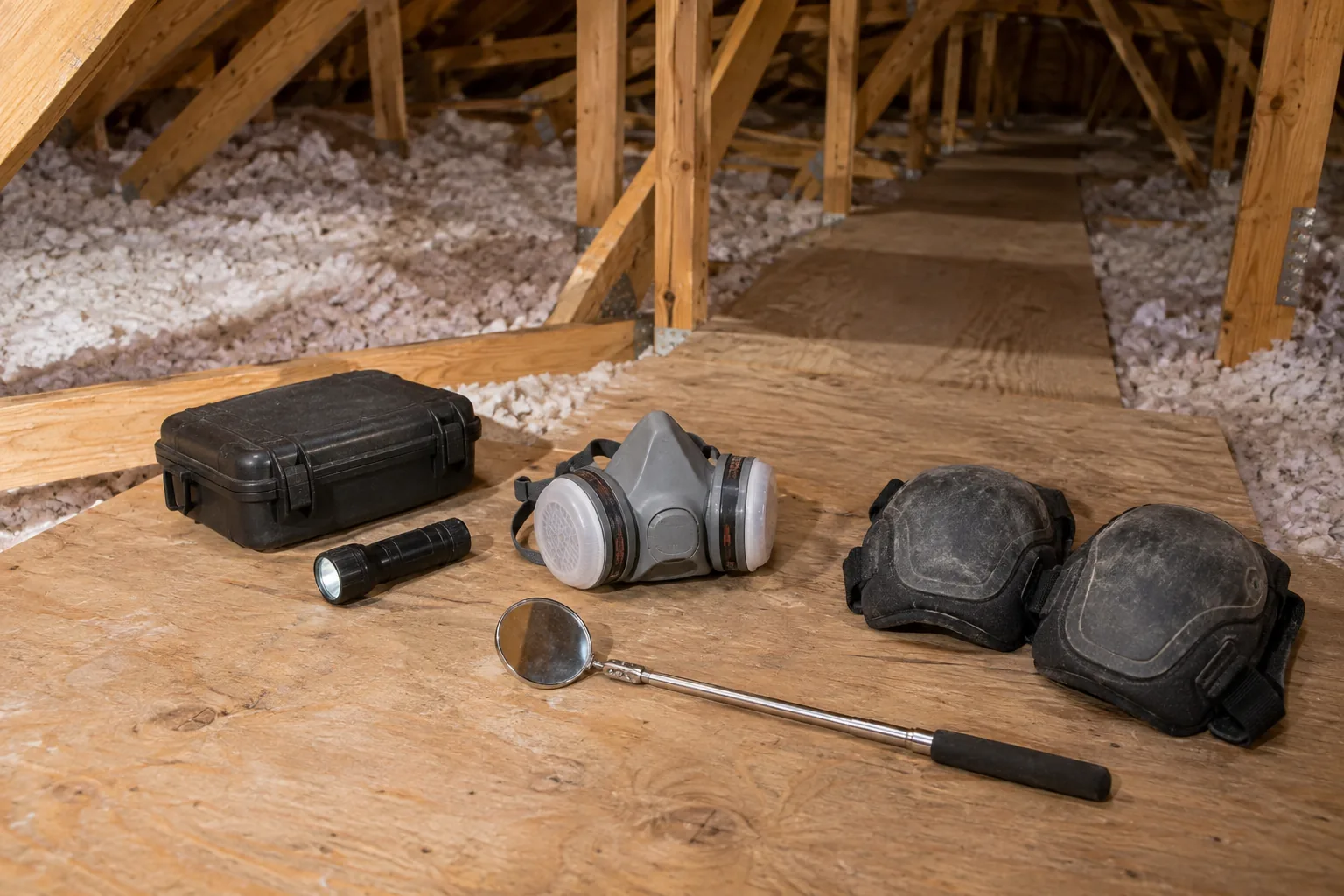
Professional help becomes more valuable when several problems overlap.
Examples include:
- rats in the crawl space
- mice in the attic plus roofline gaps
- activity on several floors
- recurring rodents after multiple repairs
- unknown entry points
- damaged wiring
- difficult exterior access
- heavy contamination
The value is often the combination of:
- diagnosis
- treatment
- exclusion
- follow-up
rather than one individual trap or product.
When DIY Rodent Control Fails
Common reasons include:
- treating the sighting location instead of the entry route
- too few traps on active paths
- poor trap placement
- wrong trap size
- food competition
- incomplete exclusion
- sealing too early
- missing a second entry point
- stopping monitoring too soon
Failure does not automatically mean DIY is impossible.
Sometimes the plan simply needs better inspection.
When to Stop DIY and Call a Professional
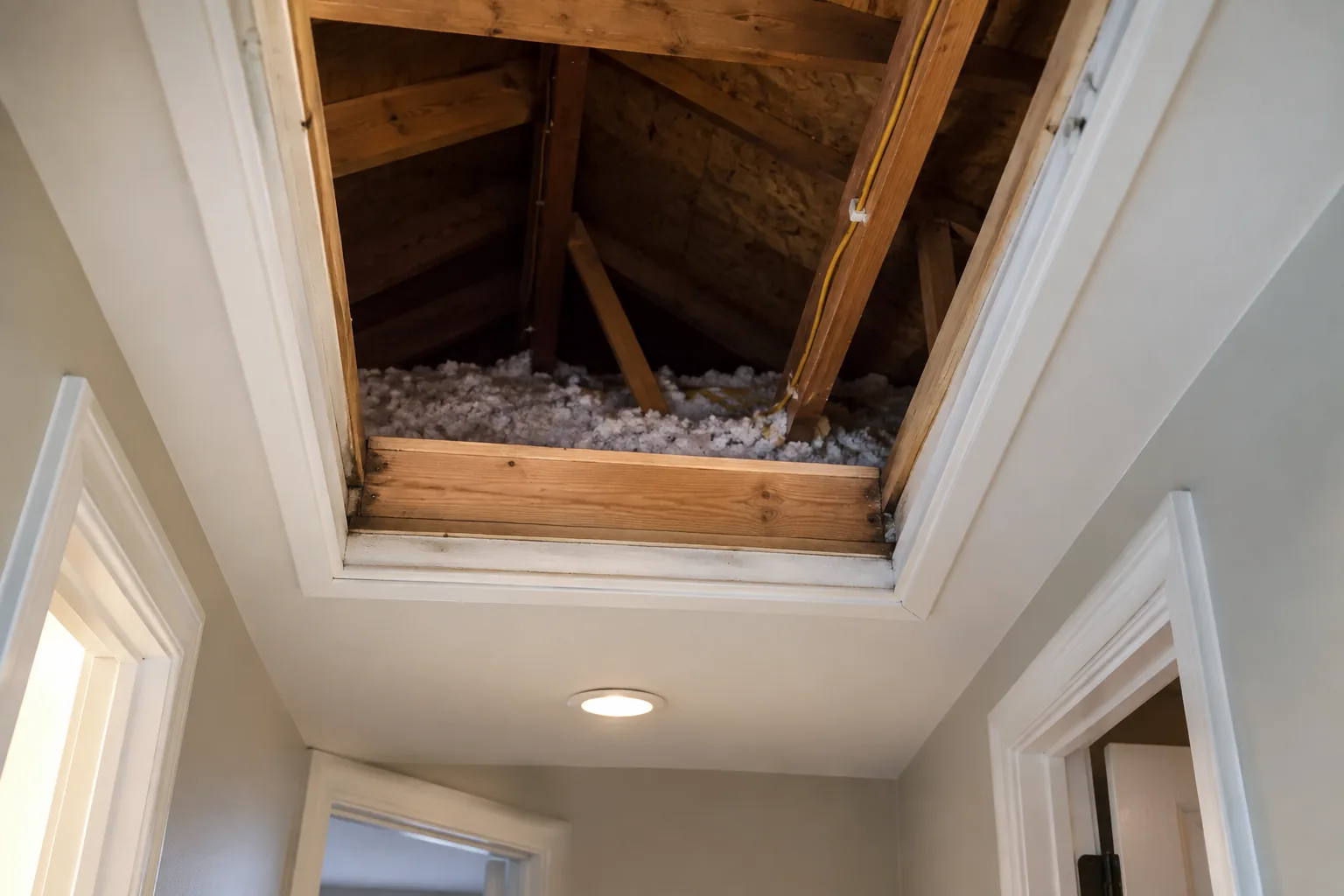
Consider escalating when:
- fresh signs continue after careful trapping
- rodents return after sealing
- several rooms are active
- you cannot find the entry point
- activity is inside walls or ceilings
- attic or crawl-space access is unsafe
- rats are using outdoor structural routes
- children or pets make safe treatment difficult
- electrical wiring is damaged
- contamination is extensive
- you are repeatedly buying supplies without reducing fresh activity
What Should You Ask a Rodent-Control Company?
Before hiring, ask:
- What does the inspection include?
- Will you identify entry points?
- Are traps, bait, or both used?
- Is exclusion included?
- Are follow-up visits included?
- Is cleanup included?
- What does the quoted price cover?
- What is excluded?
- Is there a warranty?
- What does the warranty actually cover?
A clear scope matters more than a vague promise to “get rid of rodents.”
Does Professional Service Guarantee Rodents Will Never Return?
No.
Even good professional control cannot guarantee a building will remain permanently rodent-free.
New rodents can enter if:
- a repair fails
- a new utility opening is created
- a door seal wears out
- storm damage opens a route
- food sources remain available
Long-term prevention still requires maintenance.
See Rodent-Proofing a House: Complete Prevention Guide.
DIY or Professional: What About Recurring Problems?
Recurring activity is one of the strongest reasons to reassess the whole system.
Ask:
- Is the species correctly identified?
- Is the active route known?
- Are traps actually on that route?
- Are entry points still open?
- Is food still available?
- Are repairs durable?
- Is another part of the building involved?
Repeated trapping without fixing entry can become an endless cycle.
DIY or Professional for Mice?
DIY is often more practical for mice when:
- activity is limited
- indoor routes are accessible
- safe trap placement is easy
- entry points are simple
Professional mouse control becomes more useful when:
- activity is widespread
- walls or ceilings are involved
- recurring entry continues
- cleanup is extensive
See Mouse Exterminator: What to Expect & When to Call One.
DIY or Professional for Rats?
Rat control often becomes more complex because rats may involve:
- larger traps
- foundations
- yards
- burrows
- crawl spaces
- decks
- rooflines
Professional help may be especially useful when:
- outdoor and indoor routes overlap
- structural repairs are needed
- trapping cannot be protected safely
- rats keep returning
See Rat Exterminator: What to Expect & When to Call One.
Neither Approach Works Without Exclusion
DIY and professional treatment can both fail if the building remains open.
Long-term control needs attention to:
- foundation gaps
- garage-door gaps
- utility penetrations
- vent defects
- siding
- soffits
- roofline openings
Treatment removes active rodents.
Exclusion reduces future entry.
Neither Approach Works Without Food Control
Secure:
- pantry food
- pet food
- bird seed
- animal feed
- garbage
Clean:
- crumbs
- grease
- spilled seed
- fallen fruit
Food control supports both DIY and professional treatment.
It does not replace exclusion.
DIY vs Professional Rodent Control: The Bottom Line
DIY rodent control can be effective when the problem is:
- limited
- accessible
- clearly identified
- safe to manage
- supported by simple exclusion
Professional rodent control becomes more valuable as the problem becomes:
- recurring
- widespread
- difficult to access
- structurally complex
- contaminated
- difficult to treat safely
DIY is not automatically cheaper.
Professional service is not automatically necessary.
The right approach depends on:
- species
- route
- access
- safety
- building complexity
- recurrence
- cleanup needs
Whichever approach you choose, the strongest rodent-control plan combines:
- accurate inspection
- correct treatment
- sanitation
- exclusion
- monitoring
Continue with our rodent control guide, how to get rid of mice, how to get rid of rats, rodent exterminator guide, rodent exclusion guide, or rodent-proofing guide.
For the broader overview, return to [Rats & Mice in the Home](/).