Dead Mouse in a Wall: How to Find It & Handle the Smell
A dead mouse inside a wall can create a strong odor even though the animal is hidden.
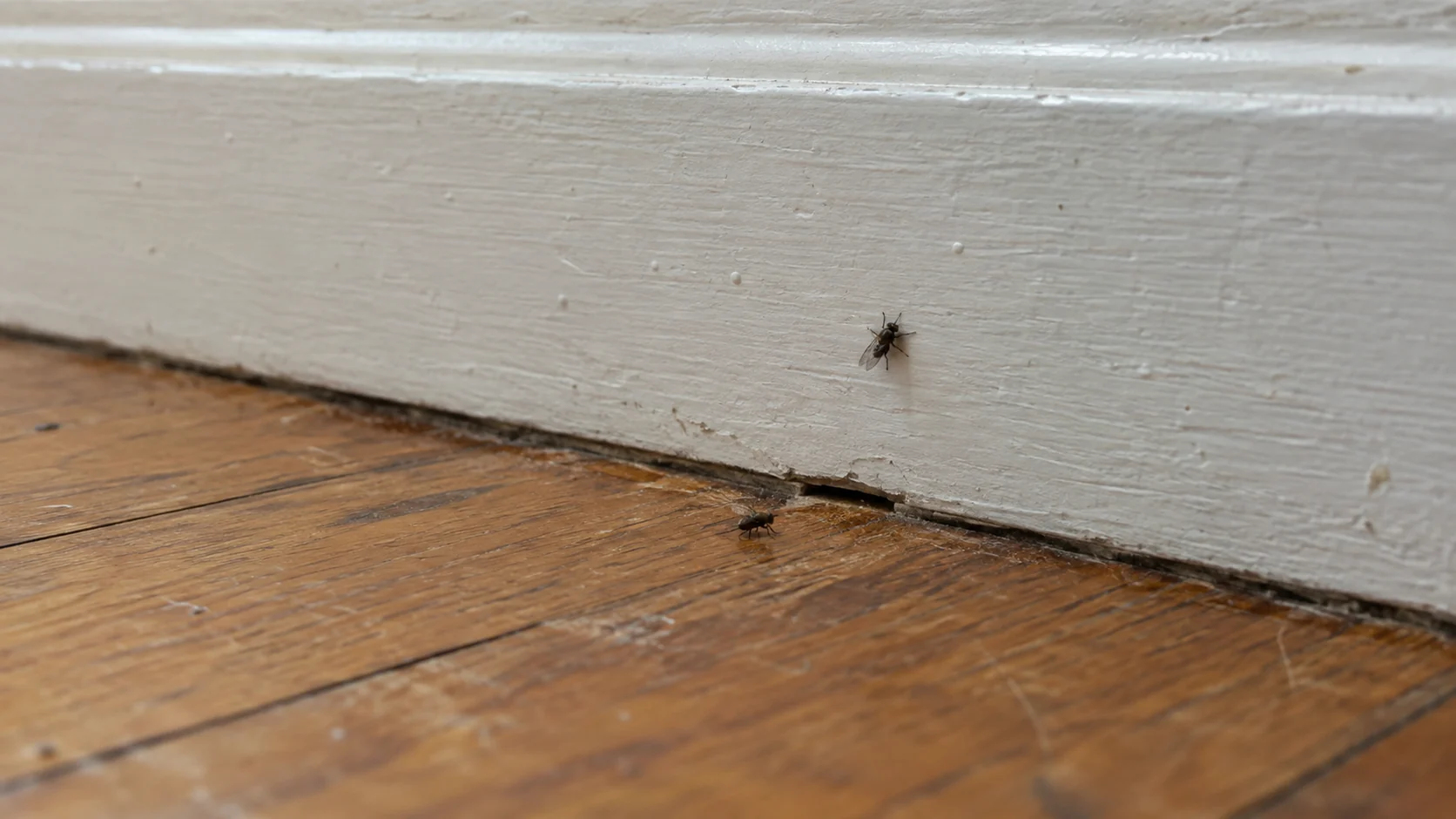
A dead mouse inside a wall can create a strong odor even though the animal is hidden.
The smell may seem to come from a baseboard, one wall section, a cabinet, a ceiling edge, or a floor transition.
But odor can travel inside the wall cavity.
That means the place that smells strongest is not always the exact location of the carcass.
The safest approach is to narrow the likely source before opening anything.
If the source can be localized well and the wall can be accessed without risking electrical, plumbing, gas, HVAC, or structural systems, controlled access may make sense.
If the location is uncertain and the smell is already fading, waiting and monitoring may be less damaging than opening multiple wall sections.
How Do You Know a Dead Mouse Is in the Wall?
You usually cannot know from odor alone.
A likely wall-cavity source may be supported by several clues together:
- strongest odor along one wall section
- recent mouse activity in the same area
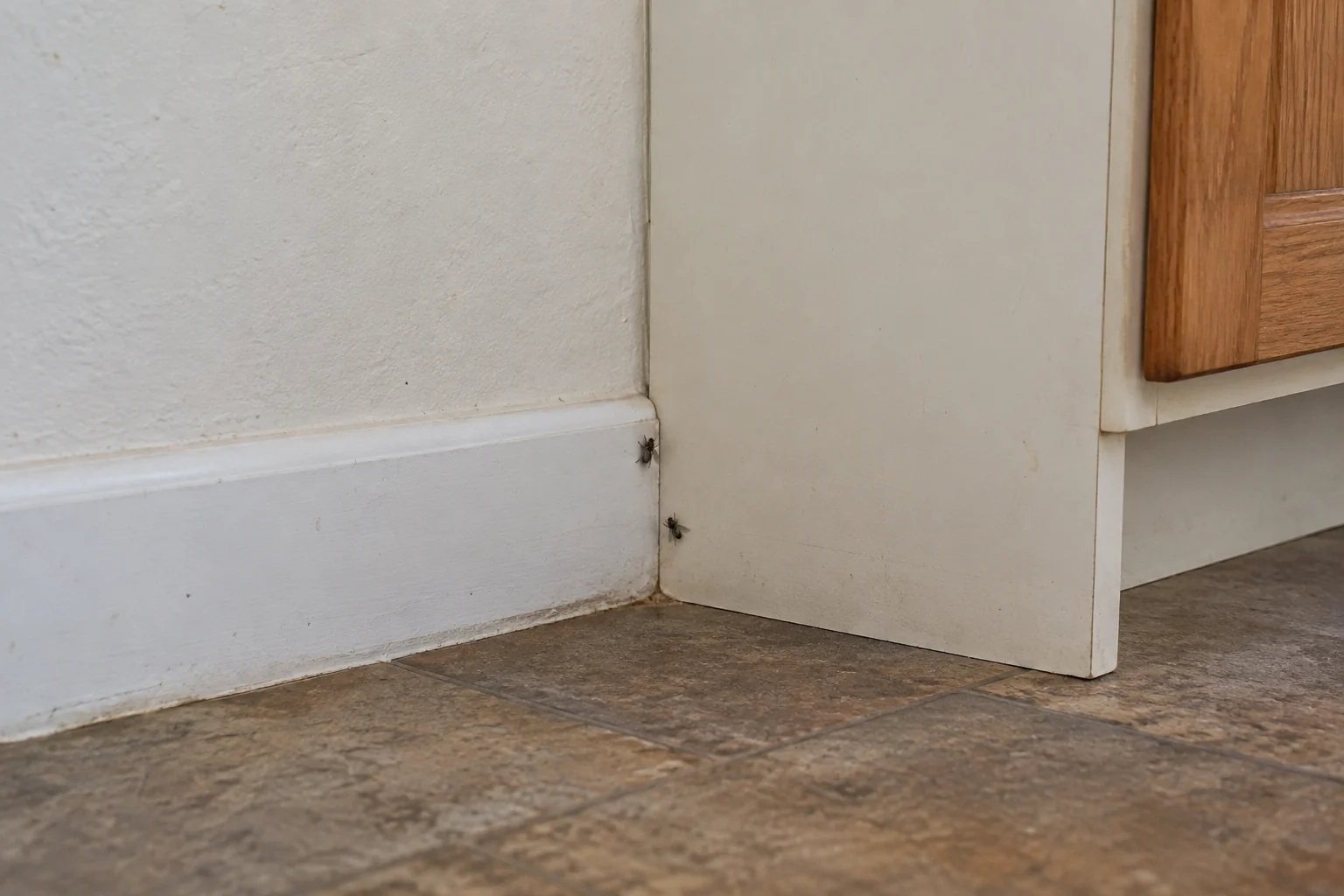
- a few flies repeatedly appearing near one seam
- a small stain developing at a baseboard or wall edge
- odor becoming stronger when the room warms
- odor changing with airflow
One clue by itself is not proof.
Other causes can include mouse urine, spoiled food, sewer gas, moisture, mold, or another dead animal.
For the broader odor question, see Dead Mouse Smell: How Long It Lasts & What to Do.
Why Does the Smell Seem to Move?
Wall cavities are not sealed boxes.
Air can move through:
- framing bays
- wall-to-floor gaps
- wall-to-ceiling gaps
- utility chases
- cabinet openings
- attic or crawl-space connections
That can make the odor seem stronger in a different place at different times.
HVAC operation, room temperature, and open doors can also change airflow.
Do not assume the carcass is directly behind the strongest smell at one moment.
How Long Can a Dead Mouse Smell in a Wall?
The odor may last for days to a few weeks, sometimes longer.
There is no fixed countdown.
Duration depends on temperature, humidity, airflow, carcass location, surrounding insulation, whether fluids reached porous material, insect activity, and whether the carcass can be removed.
A hidden carcass may gradually dry and produce less odor over time.
Is a Wall Carcass Worse Than an Accessible Dead Mouse?
It can be more difficult to deal with because the source is inaccessible.
The odor may spread through drywall gaps, baseboards, cabinet voids, and ceiling spaces.
And the homeowner may not know where to open the wall.
The biggest challenge is usually location, not the size of the mouse.
Can You Find the Exact Spot by Smell?
Sometimes you can narrow it down.
But smell alone rarely gives an exact point.
Compare adjacent areas.
Move slowly along the baseboard, cabinet edges, wall corners, and floor transitions.
Note where the odor is consistently strongest over time.
Do not rely on one quick pass.
Do Flies Help Locate a Dead Mouse in the Wall?
They can.
A few flies repeatedly gathering near the same baseboard seam, cabinet edge, wall crack, or ceiling transition may suggest a nearby source.
But flies can also come from drains, garbage, food waste, or outdoors.
Use them as supporting evidence, not proof.
Does a Wall Stain Mean There Is a Dead Mouse Behind It?
Not automatically.
A stain can come from moisture, plumbing, condensation, or previous damage.
If a new stain appears together with strong decomposition odor and recent mouse activity, the area deserves closer inspection.
Do not open a wall around possible plumbing or electrical systems without understanding what is behind it.
Can a Dead Mouse Be Behind a Cabinet?
Yes.
Cabinets may hide wall gaps, plumbing penetrations, toe-kick voids, and utility routes.
A mouse may die behind or beside the cabinet rather than inside the wall itself.
Check accessible cabinet bases and toe-kick areas before cutting drywall.
Can a Dead Mouse Be Near an Outlet?
It can be near the same wall cavity.
But do not remove outlet covers or open electrical boxes just to search for a carcass unless you know how to work safely with the electrical system.
Never reach into an energized wall cavity.
What About a Wall Shared With the Kitchen?
Kitchen walls may contain plumbing, electrical wiring, cabinet voids, and appliance connections.
That makes blind cutting especially risky.
First inspect accessible areas such as cabinet bases, pantry edges, and appliance-adjacent floor/wall routes.
If a heavy refrigerator or appliance would need to be moved, do not move it alone.
Protect cords, water lines, gas lines where applicable, and flooring.
What About a Wall Shared With a Bathroom?
Bathroom walls often contain plumbing.
A bad odor may come from plumbing, moisture, drains, or a rodent source.
Do not assume the smell is a mouse.
If plumbing is involved, a qualified plumber may need to inspect the area.
Can the Smell Come From the Ceiling Instead?
Yes.
A wall odor can originate higher up.
The source may be in an attic, a ceiling void, or the top of a wall cavity.
Odor can travel downward through framing spaces.
See Mice in the Ceiling and Mice in the Attic.
Can the Smell Come From the Crawl Space?
Yes.
A wall may connect to a crawl space through utility or framing routes.
Air can carry odor upward.
Do not enter wet, unstable, electrically hazardous, heavily contaminated, or tight crawl spaces.
How Do You Narrow Down the Right Wall Section?
Use the least destructive clues first.
Compare odor intensity
Check the same area at different times of day.
Check adjacent spaces
Look at the room on the other side of the wall if there is one.
Look for fresh mouse evidence
Check for droppings, gnawing, nesting material, and recent sightings.
Watch for insects
A few flies repeatedly gathering near one spot may be useful.
Check accessible transitions
Inspect baseboards, cabinet edges, attic access, and crawl-space access.
Do not drill random holes to “test” the wall.
Should You Cut Open the Wall?
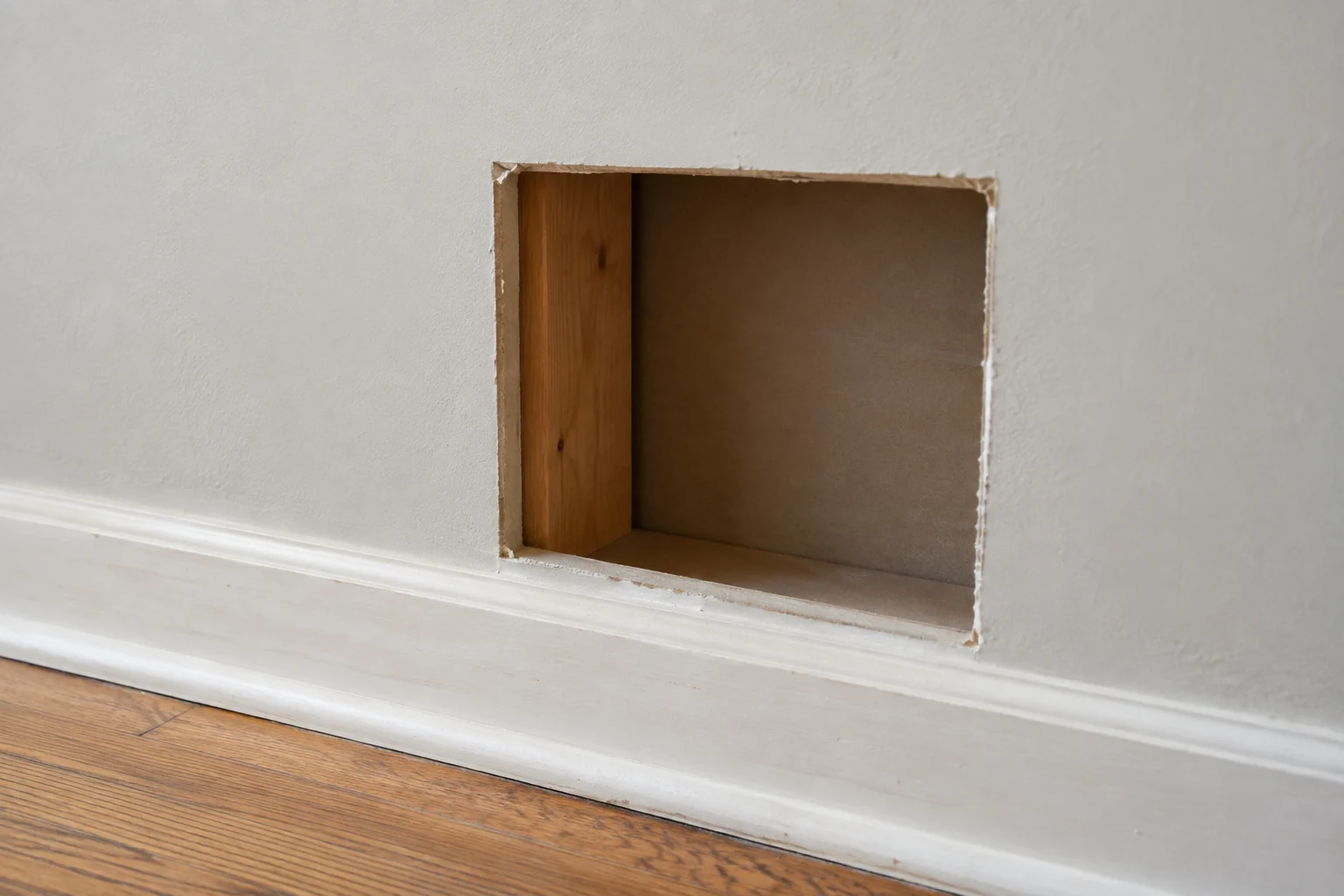
Sometimes—but only when the likely source is localized well enough to justify the damage.
Controlled access may be reasonable when:
- odor is severe
- one small area is consistently strongest
- insects repeatedly appear from one point
- staining supports the same location
- the wall can be opened safely
- repair afterward is practical
It is less reasonable when the smell is already fading quickly, the location is uncertain, utilities are unknown, or several wall sections would need to be opened.
What Should You Check Before Opening the Wall?
Consider what may be inside.
Possible hidden systems include:
- electrical wiring
- plumbing
- gas lines
- HVAC ducts
- structural framing
If those systems may be present, professional help may be appropriate.
Do not cut blindly.
How Big Should the Access Opening Be?
The goal is the smallest controlled opening that provides safe access.
Do not create multiple exploratory holes.
The exact access size depends on wall construction, source location, nearby utilities, and repair method.
A contractor may be able to open and patch the wall more cleanly than a homeowner guessing at the location.
What If the Source Is Not Behind the First Suspected Spot?
Stop before expanding the opening.
Reassess the evidence.
The smell may be traveling through the cavity from another framing bay.
Opening larger areas without better localization can create unnecessary damage.
How Do You Remove a Dead Mouse From a Wall Safely?
If the carcass becomes safely accessible:
- keep children and pets away
- wear suitable disposable or washable gloves
- wet the carcass and immediately surrounding contaminated material with an appropriate disinfectant used according to its label
- allow the required contact time
- pick up the carcass using disposable material
- seal it inside a bag and place that bag inside a second bag
- dispose of it according to local requirements
- wet-clean the accessible contaminated hard surface
- wash gloved hands before removing gloves
- wash bare hands afterward
Do not handle the carcass with bare hands.
Should You Vacuum the Wall Cavity?
Do not dry vacuum or sweep fresh rodent contamination as the first cleanup step.
If the cavity contains fresh droppings or nesting material, wet contaminated material before handling it.
Do not vacuum deep into an inaccessible wall cavity.
What If Insulation Is Contaminated?
Localized contaminated insulation may need to be removed if it is clearly affected, accessible, and safe to remove.
Do not automatically remove an entire wall of insulation.
Remove only material that is actually contaminated unless a professional assessment indicates broader work is needed.
What If the Drywall Is Stained?
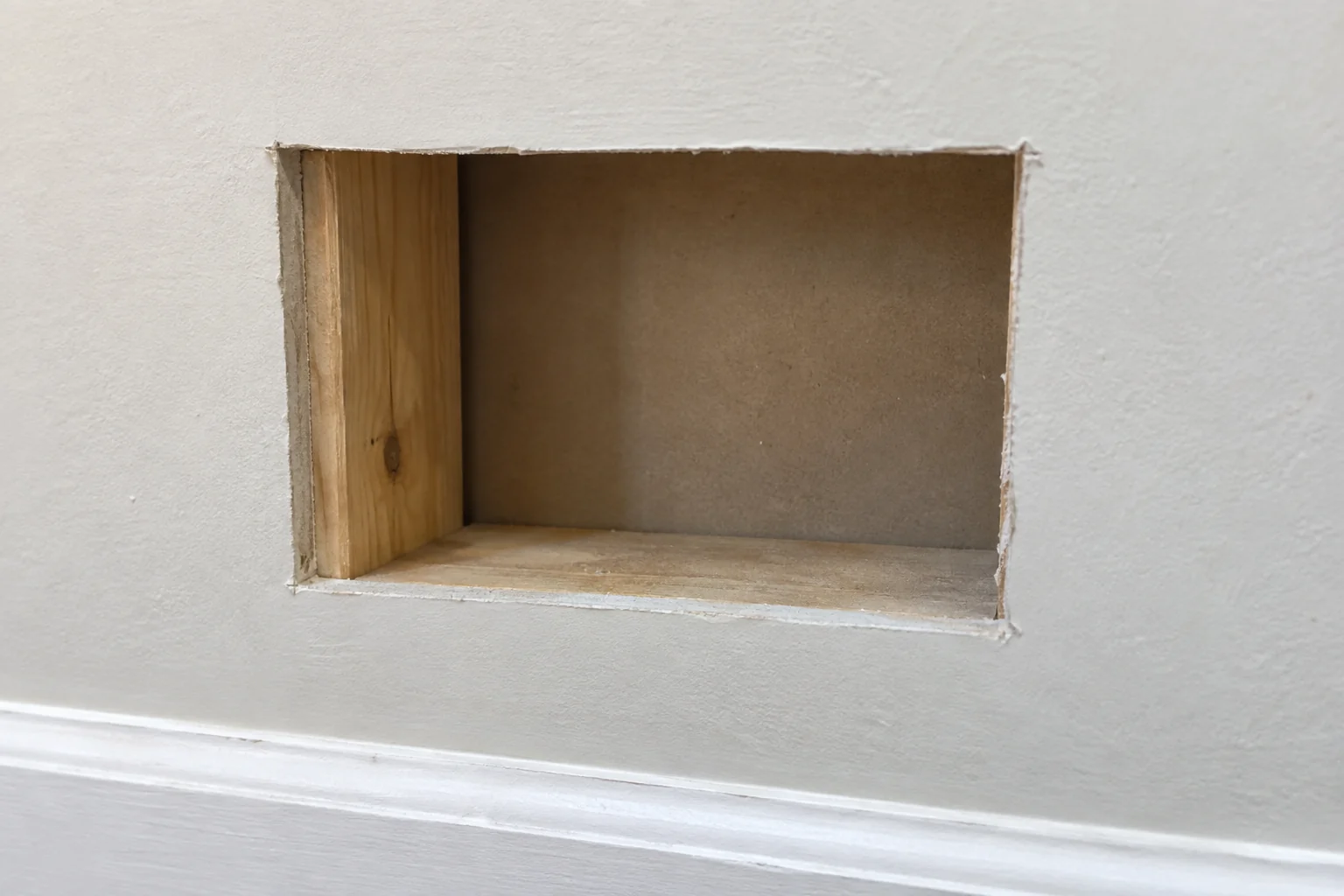
A small stained drywall section may need replacement if contamination soaked into it.
That decision depends on extent, odor, moisture, and condition of the material.
Do not assume the entire wall needs replacement.
Should You Spray Deodorizer Into the Wall?
No.
Do not spray deodorizer, fragrance, disinfectant, bleach, pesticide, or foam into a wall cavity just to control odor.
That does not reliably remove the source and may create additional problems.
Should You Use Ozone or Fogging?
No.
Do not use ozone or improvised fogging as a substitute for source removal and cleaning.
If the carcass is inaccessible, monitoring may be safer than filling a hidden cavity with chemicals.
What If You Cannot Reach the Dead Mouse?
If the source is inaccessible and no building system is at risk, the odor may gradually fade as the carcass dries.
You can:
- ventilate the room when practical
- keep the room clean
- use passive odor-control products if desired
- monitor whether odor is declining
- watch for insects or staining
- continue mouse control elsewhere
If the smell is steadily improving, destructive access may not be necessary.
When Is Waiting Better Than Opening the Wall?
Waiting may be reasonable when:
- the source cannot be localized
- odor is already decreasing
- there is no staining
- no insects are emerging
- there is no evidence of HVAC contamination
- wall access would risk utilities
The decision is a tradeoff between odor duration and unnecessary building damage.
What If the Smell Is Getting Worse?
Reassess.
A worsening odor may mean the carcass is still actively decomposing, temperature increased, humidity changed, airflow shifted, surrounding material is contaminated, or there is another source.
If the odor remains severe, professional inspection may be worthwhile.
What If Flies Keep Appearing?
Persistent insects can justify a closer look.
If they repeatedly emerge from the same seam or wall section, that improves the case for controlled access.
But insects alone still do not prove the exact location.
Could There Be More Than One Dead Mouse?
It is possible.
But do not assume multiple carcasses just because the odor is strong.
One hidden mouse can create a powerful smell.
Use evidence before making conclusions.
What If the Mouse Died Because of Poison?
Indoor rodenticide use can result in rodents dying in inaccessible places.
That is one reason monitored, retrievable control methods can be easier to manage indoors.
Do not place loose rodenticide into wall cavities.
If rodenticide is used, follow the product label.
How Long Will the Smell Last After Removal?
Once the carcass is removed, odor often improves quickly.
Some smell may remain for hours, days, or occasionally longer if nearby porous material absorbed contamination.
If odor persists, inspect for contaminated insulation, stained drywall, another source, or moisture.
When Should You Call a Professional?
Professional help may make sense when:
- the source cannot be localized
- the odor is severe or persistent
- the likely source is inside a wall with unknown utilities
- electrical, plumbing, gas, structural, or HVAC systems are involved
- insects repeatedly emerge from one area
- contamination appears extensive
- mouse activity is still continuing
A pest professional may address active mice.
A cleanup professional may handle contamination.
A contractor may create and repair controlled access.
Another qualified trade may be needed when building systems are involved.
See Professional Rodent Cleanup.
How Do You Prevent Another Mouse From Dying in the Wall?
Resolve the mouse problem after the odor issue is handled.
That usually means:
- control mice already inside
- remove accessible food
- reduce nesting shelter
- inspect entry points
- close confirmed openings at the right time
- continue monitoring
See How to Get Rid of Mice and Mouse Entry Points.
Do not blindly seal active mice inside.
Dead Mouse in a Wall: The Bottom Line
A dead mouse in a wall can create a strong odor, but the strongest-smelling point is not always the exact carcass location.
Before opening the wall:
- compare odor intensity over time
- inspect adjacent accessible areas
- look for fresh mouse evidence
- watch for a few insects repeatedly using one spot
- consider what utilities may be inside the wall
Controlled access may make sense when the source is strongly localized and the wall can be opened safely.
If the location is uncertain and the odor is clearly fading, waiting may be less damaging than blind demolition.
If the carcass becomes accessible, use wet/disinfectant cleanup and sealed disposal.
Do not spray chemicals into the wall cavity.
Afterward, address the mouse entry and control problem so the same situation is less likely to happen again.
Continue with our dead mouse smell guide, mice in walls guide, mouse droppings guide, how to get rid of mice guide, mouse entry points guide, or professional rodent cleanup guide.