Rodent Inspection Cost: Free vs Paid Inspections
A professional rodent inspection may cost around $100–$200 when it is billed as a separate service.
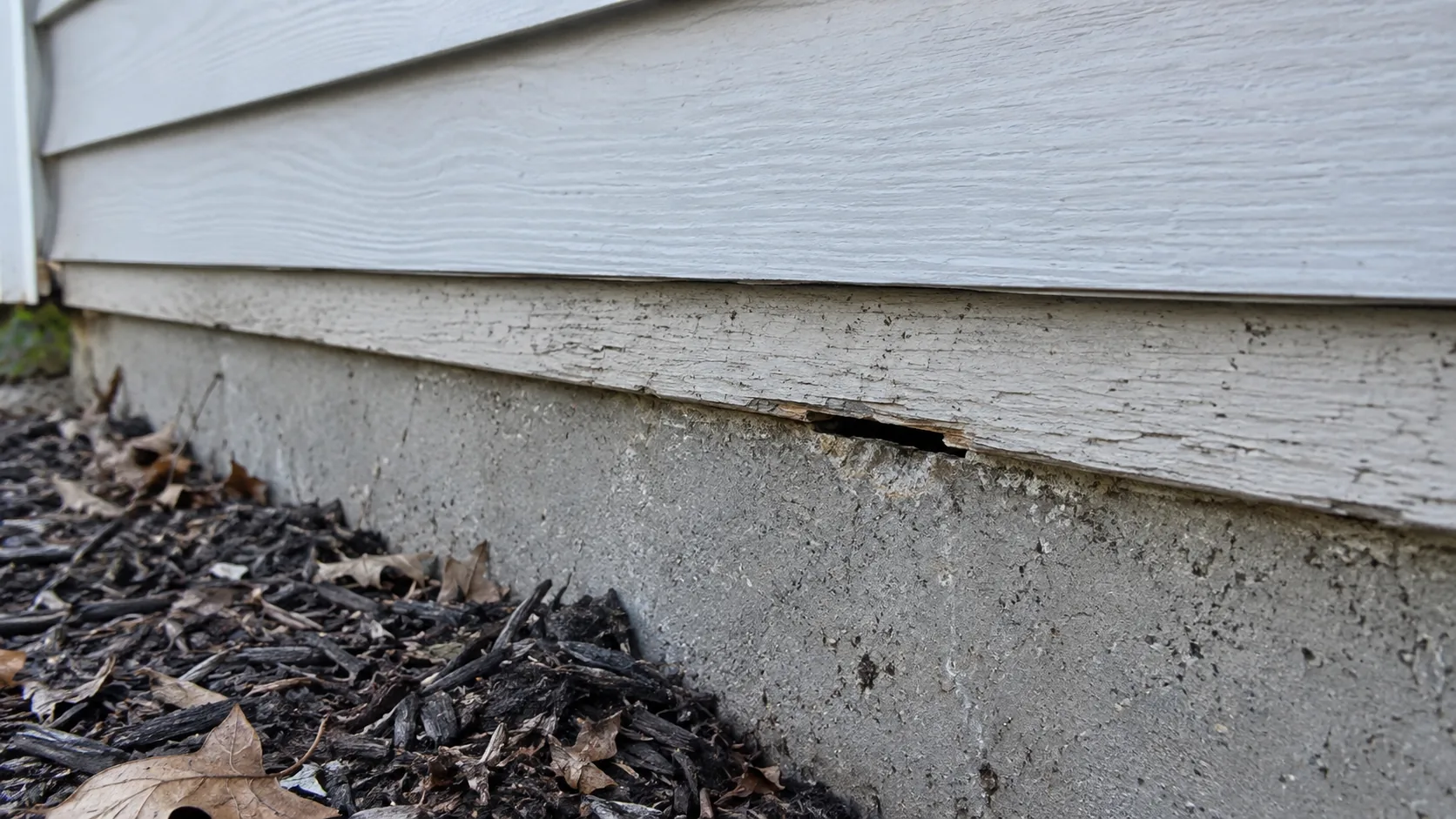
A professional rodent inspection may cost around $100–$200 when it is billed as a separate service.
But homeowners also see plenty of offers for:
- free rodent inspections
- no-charge estimates
- inspections included with treatment
- inspection fees credited toward service
That can make the pricing confusing.
The important question is not simply whether the inspection is free or paid.
It is:
What does the inspection actually include?
A useful inspection should help identify:
- whether mice or rats are active
- where the strongest evidence is located
- how rodents may be moving through the property
- which entry points deserve attention
- what treatment or exclusion may be needed next
How Much Does a Rodent Inspection Cost?
For broad national planning, a separately billed professional rodent inspection often falls around $100–$200.
That is not a guaranteed price.
The actual cost can vary based on:
- property size
- attic access
- crawl-space access
- exterior inspection
- number of problem areas
- documentation
- travel
- local labor rates
- whether treatment is included
Some inspections cost less.
Some cost more.
Some are included in another service.
Why Are Some Rodent Inspections Free?
A pest-control company may offer a no-charge inspection because the inspection is part of its sales or service process.
That can be perfectly legitimate.
The company may inspect the property, identify the problem, and then quote:
- trapping
- bait-station service
- exclusion
- cleanup
- follow-up
The homeowner pays for the work if they choose to proceed.
A free inspection does not automatically mean the inspection is poor.
Why Do Some Companies Charge for Rodent Inspections?
A provider may charge separately when the inspection itself is a defined service.
That may involve more time spent on:
- interior inspection
- attic inspection
- crawl-space inspection
- exterior perimeter inspection
- entry-point mapping
- photographs
- written findings
- treatment recommendations
- exclusion recommendations
Some providers also charge because the homeowner wants inspection-only information without committing to treatment.
Is a Paid Rodent Inspection Better Than a Free Inspection?
Not automatically.
A paid inspection can be more detailed.
But price alone does not determine quality.
A useful free inspection may be better than a rushed paid inspection.
Compare:
- areas inspected
- time spent
- evidence documented
- entry points identified
- photos provided
- written findings
- treatment scope
- exclusion scope
The difference should be visible in the service, not just the invoice.
Is a Free Rodent Inspection Really Free?
Sometimes yes.
But ask whether there are conditions.
For example:
- Is the inspection free even if you decline treatment?
- Is there a service-call fee?
- Is there a travel fee?
- Is attic or crawl-space access included?
- Is a written report included?
- Is the inspection fee credited only if treatment is purchased?
The word “free” should not replace a clear explanation of the scope.
Is the Inspection Fee Credited Toward Treatment?
Sometimes.
A company may charge an inspection fee and then apply that amount toward:
- trapping
- rodent-control service
- exclusion
- another approved treatment
Other companies keep the inspection charge separate.
Ask before scheduling.
What Should a Rodent Inspection Include?
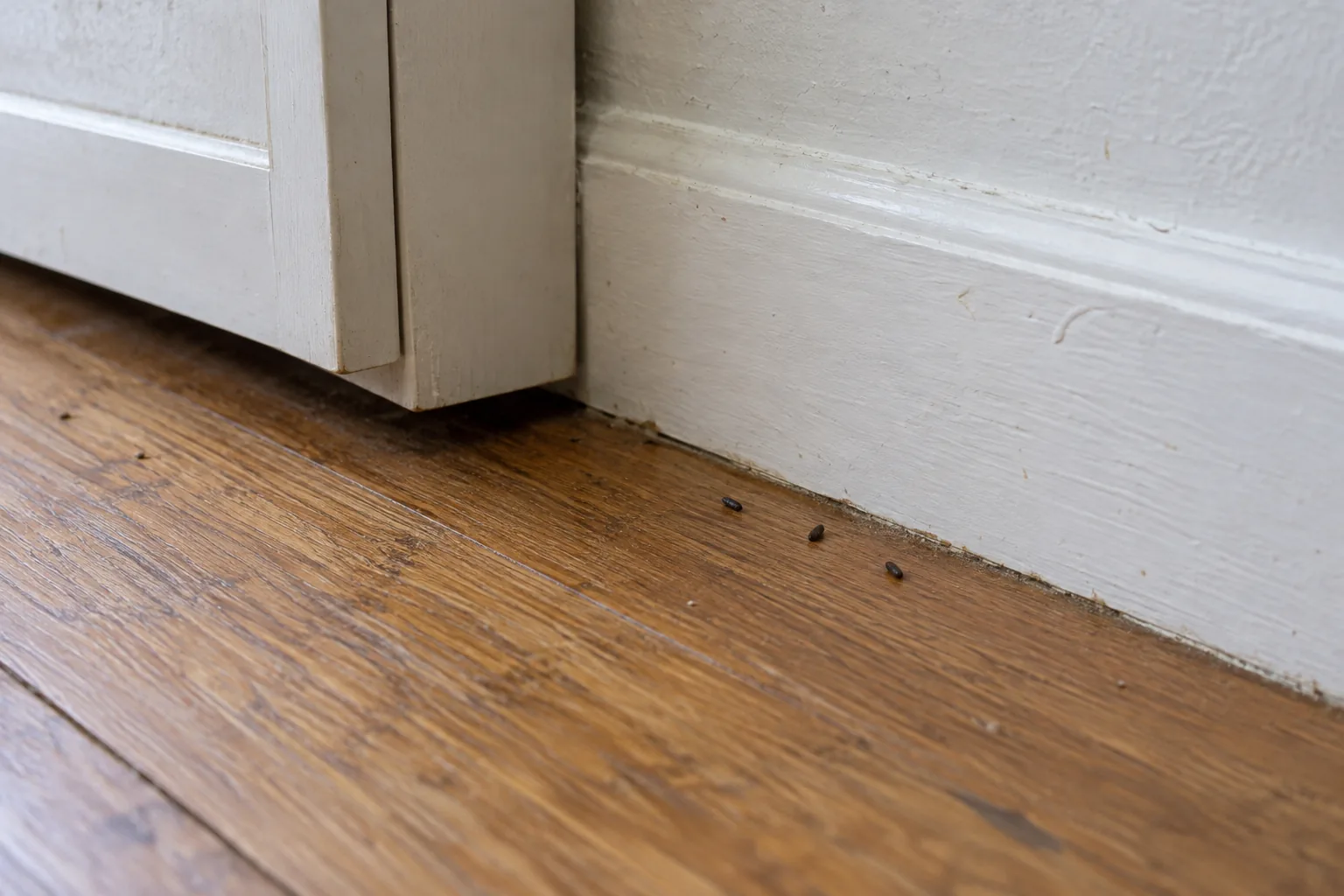
A useful professional inspection may examine:
- droppings
- tracks
- gnawing
- rub marks
- nesting material
- food damage
- reported sightings
- sounds
- likely travel routes
- interior entry points
- exterior entry points
- food sources
- water sources
- shelter
The exact scope varies by company.
See Rodent Inspection: What Professionals Check for the full inspection process.
Does a Rodent Inspection Include the Whole House?
Not always.
The provider may inspect:
- reported problem rooms
- accessible interior areas
- garage
- basement
- attic
- crawl space
- exterior perimeter
Some areas may be excluded because they are:
- unsafe
- inaccessible
- blocked
- structurally unstable
- wet
- electrically hazardous
Ask which areas are included before comparing prices.
Does Attic Access Raise the Inspection Cost?
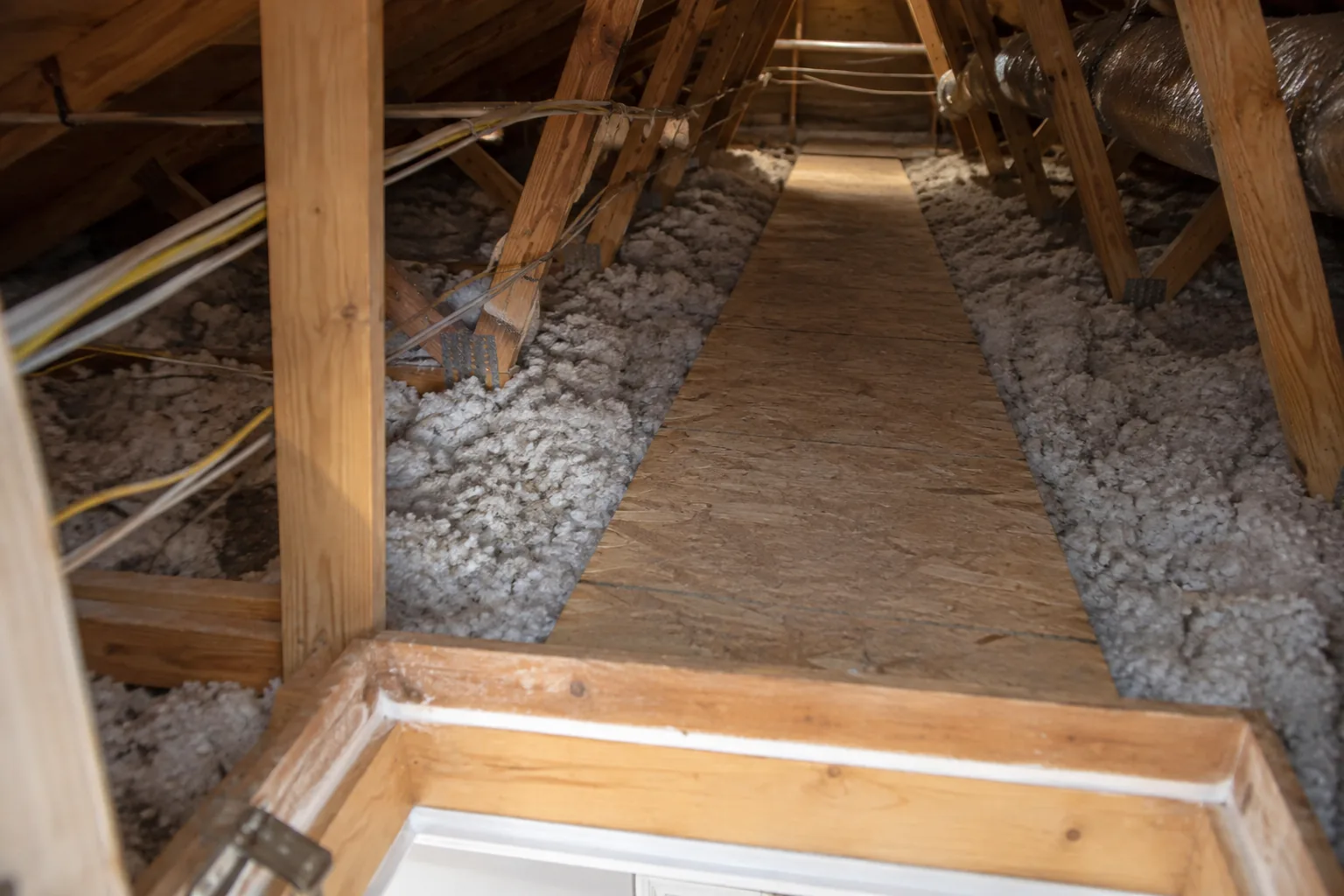
It can.
Attics may require more time because of:
- access hatches
- insulation
- framing
- wiring
- low clearance
- roofline entry routes
A simple safe attic is different from a difficult attic with limited footing.
The provider may charge more for a broader attic inspection.
Does Crawl-Space Access Raise the Inspection Cost?
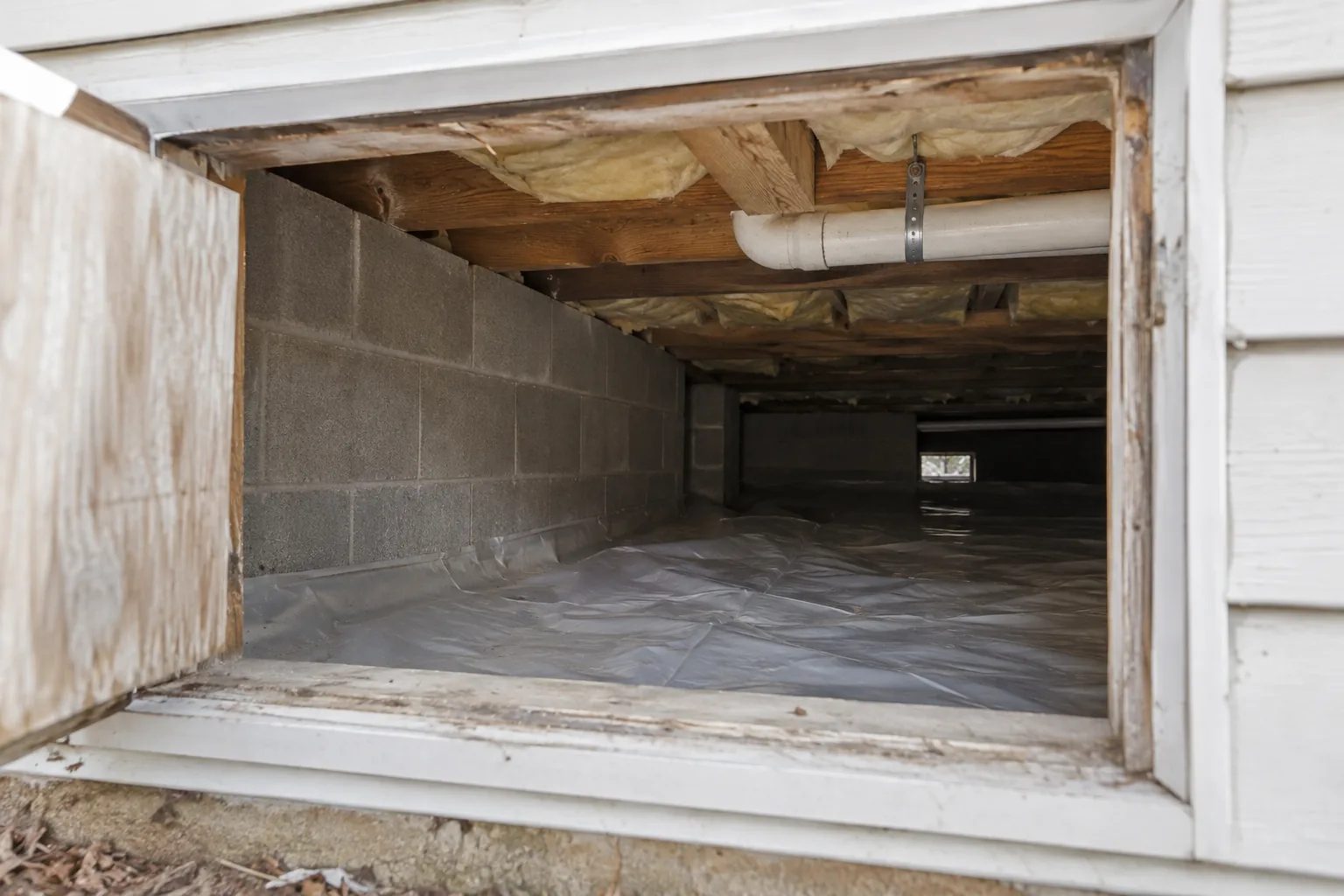
It can.
Crawl spaces may be:
- tight
- wet
- contaminated
- full of utilities
- difficult to move through
A provider may limit access for safety reasons.
Difficult crawl-space inspection can add time and cost.
Does Exterior Inspection Cost Extra?
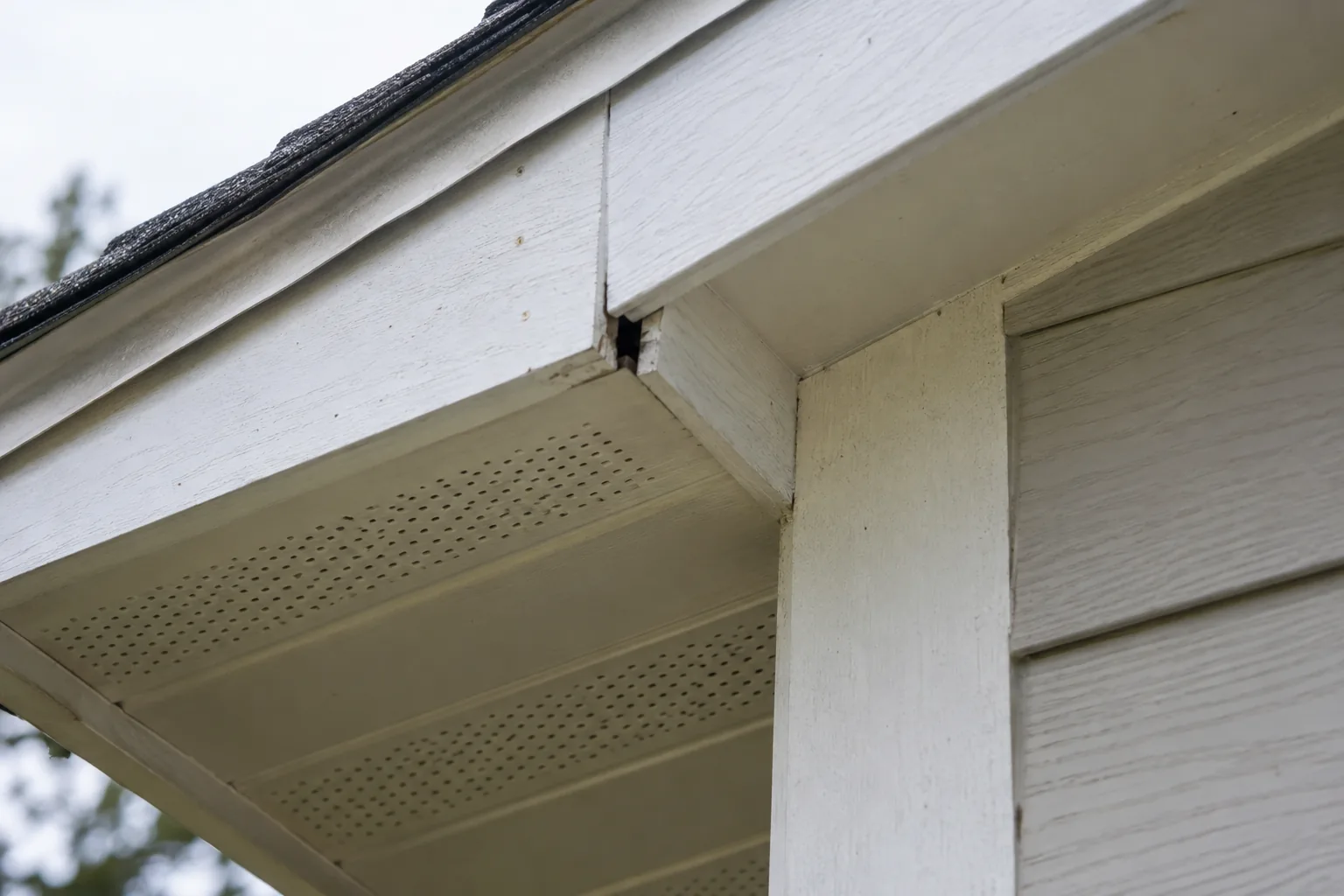
Sometimes.
A thorough exterior inspection may include:
- foundation
- siding transitions
- doors
- garage doors
- utility penetrations
- crawl-space vents
- soffits
- fascia
- roofline details
- suspected rat burrows
Some companies include that in the basic inspection.
Others price more extensive exterior work separately.
Does Property Size Affect Rodent Inspection Cost?
Yes, but square footage is not the only factor.
A larger house may require more time.
But a smaller house with:
- attic activity
- crawl-space activity
- several utility routes
- multiple entry points
can take longer than a larger property with one obvious garage problem.
Do not compare inspection prices by square footage alone.
Does the Number of Rooms Affect the Price?
It can affect inspection time.
But legitimate rodent inspection pricing is not necessarily based on a fixed price per room.
More important factors include:
- active zones
- access
- evidence
- building complexity
- exterior scope
A few highly active areas may require more attention than many inactive rooms.
Does a Rodent Inspection Tell You How Many Rodents You Have?
Usually not exactly.
A technician can evaluate the level and distribution of activity.
But signs such as:
- droppings
- tracks
- sightings
- noises
- trap catches
do not produce a reliable exact population count.
The inspection should focus on the practical questions:
- Where are rodents active?
- How are they moving?
- Where can treatment be placed?
- Where might they be entering?
Can an Inspection Find Every Entry Point?
Not always.
Some rodent routes are hidden behind:
- walls
- cabinets
- siding
- roof details
- insulation
- utility chases
A strong inspection can identify likely and visible entry routes.
But no one-visit inspection should promise that every hidden opening will always be found.
Follow-up can reveal additional routes.
Does a Rodent Inspection Include Trapping?
Not automatically.
Inspection and treatment are separate scopes.
Some companies may place traps during the same visit.
Others provide:
- inspection
- quote
- treatment on a later visit
Ask whether the inspection price includes any active control.
Does a Rodent Inspection Include Exclusion?
Usually not by default.
The inspection may identify openings.
The exclusion work may be quoted separately.
See Rodent Exclusion Cost: Sealing & Repair Pricing.
A useful inspection should distinguish:
- likely active openings
- lower-priority gaps
- repairs that require another trade
Does a Rodent Inspection Include Cleanup?
Not automatically.
Cleanup may require a separate assessment and quote.
The inspector may note:
- droppings
- nesting material
- urine contamination
- insulation damage
- accessible carcasses
See Rodent Cleanup: Droppings, Urine & Contaminated Areas.
What About Mouse Inspection Cost?
Mouse inspections often focus on:
- kitchens
- lower cabinets
- pantries
- appliance routes
- garages
- basements
- utility penetrations
- attic routes
The inspection fee may be the same as a general rodent inspection.
The final treatment cost is separate.
See Mouse Exterminator Cost for broader mouse-service pricing.
What About Rat Inspection Cost?
Rat inspections may require more exterior work.
A technician may inspect:
- foundation routes
- crawl spaces
- garage edges
- yards
- decks
- rooflines
- suspected burrows
That can increase inspection time.
See Rat Exterminator Cost for broader rat-service pricing.
What Is Usually Not Included in the Inspection Price?
Depending on the provider, the inspection fee may not include:
- trapping
- bait-station service
- exclusion
- cleanup
- insulation removal
- carcass retrieval
- repair work
- roof work
- electrical repair
- plumbing repair
- HVAC repair
- follow-up visits
Ask for written scope.
What Should a Written Rodent Inspection Report Include?
Not every company provides a formal report.
When one is included, useful documentation may identify:
- areas inspected
- evidence found
- likely species
- active zones
- entry points
- sanitation concerns
- recommended treatment
- recommended exclusion
- limitations
Photographs can make the findings easier to understand.
Do You Need a Written Report?
Not always.
A verbal inspection may be enough for a simple service call.
A written report can be useful when:
- the property is large
- several entry points exist
- exclusion is extensive
- several contractors are involved
- the homeowner wants to compare quotes
Ask whether documentation is included before paying a higher inspection fee.
Can a Rodent Inspection Diagnose Building Problems?
Only within the provider’s scope.
A pest-control technician may notice:
- damaged wiring
- leaks
- roof defects
- damaged vents
- structural openings
But another qualified trade may be needed for:
- electrical diagnosis
- plumbing repair
- HVAC repair
- roofing
- structural assessment
A rodent inspection is not a substitute for every building inspection.
Is a Rodent Inspection the Same as a Home Inspection?
No.
A pest-control rodent inspection focuses on:
- evidence
- routes
- entry points
- treatment needs
A general home inspection has a different scope.
Do not assume a rodent inspection provides a real-estate, building-code, structural, or legal certification.
Is a Rodent Inspection the Same as a WDO Inspection?
Not necessarily.
Wood-destroying-organism inspections focus on a different category of pest and may be connected to separate reporting or real-estate requirements in some locations.
A standard rodent inspection should not be assumed to satisfy another inspection program.
Can You Inspect for Rodents Yourself First?
Yes, if the areas are safely accessible.
A homeowner can note:
- droppings
- gnawing
- sightings
- sounds
- damaged food
- obvious gaps
That information can make a professional visit more efficient.
Do not:
- enter unsafe attics
- enter wet or hazardous crawl spaces
- open electrical equipment
- dismantle HVAC systems
- open sealed structural cavities
just to search for evidence.
When Is a Free Inspection Often Enough?
A no-charge inspection may be enough when:
- the problem area is obvious
- access is straightforward
- you mainly need a treatment estimate
- you are comfortable evaluating the provider’s findings
- no formal written report is needed
The key is whether the inspector can clearly show what they found.
When Might a Paid Inspection Make Sense?
A paid inspection may make sense when:
- you want an inspection-only service
- the property is complex
- several areas need evaluation
- attic or crawl-space inspection is important
- detailed documentation is needed
- you want findings before deciding on treatment
Paid does not automatically mean better.
The scope still matters.
What Makes an Inspection More Expensive?
Inspection cost may rise because of:
- large property size
- several structures
- attic access
- crawl-space access
- roofline inspection
- exterior rat activity
- difficult foundation access
- documentation
- photos
- multiple problem zones
- longer travel
The provider should be able to explain the additional charge.
Is Same-Day Inspection More Expensive?
It can be.
Some companies charge more for:
- same-day service
- weekend appointments
- after-hours visits
- long travel
Others do not.
Ask about scheduling fees in advance.
Should You Get More Than One Inspection?
Sometimes.
A second opinion may be useful when:
- one quote recommends major exclusion
- one quote recommends full insulation removal
- the entry route is unclear
- proposed work is expensive
- the first inspection is vague
A second inspection can help separate:
- necessary work
- optional work
- unrelated building repairs
How Do You Compare Free and Paid Rodent Inspections?
Compare these items:
- inspection areas
- attic included?
- crawl space included?
- exterior included?
- photos included?
- written findings included?
- species identification?
- entry points documented?
- treatment quote included?
- exclusion quote included?
- inspection fee credited toward service?
- follow-up included?
That comparison is more useful than simply choosing free or paid.
Red Flags in a Rodent Inspection Offer
Be cautious when an inspection:
- takes only a few minutes for a complex property
- cannot explain where evidence was found
- recommends expensive work without showing the affected area
- promises an exact rodent population
- claims every gap is active
- guarantees every hidden route has been found
- pressures you to approve major work immediately
A good inspection should produce understandable findings.
Questions to Ask Before Booking
Ask:
- What does the inspection cost?
- Is the fee credited toward treatment?
- Is attic access included?
- Is crawl-space access included?
- Is the exterior included?
- Are photos included?
- Is a written report included?
- Will you identify likely entry points?
- Is treatment included?
- Is exclusion included?
- What areas are excluded?
- What could increase the price?
These questions make the fee easier to evaluate.
Rodent Inspection Cost: The Bottom Line
For broad national planning, a separately billed professional rodent inspection often falls around $100–$200.
But many companies also offer:
- no-charge inspections
- inspection included with treatment
- inspection fees credited toward service
A free inspection can be useful.
A paid inspection can be useful.
The better choice depends on the scope.
Compare:
- areas inspected
- attic and crawl-space access
- exterior inspection
- evidence documented
- entry points identified
- photographs
- written findings
- treatment recommendations
- exclusion recommendations
- limitations
The most useful inspection is the one that clearly explains what was found and what should happen next.
Continue with our professional rodent inspection guide, rodent control cost guide, rodent removal cost guide, rodent exclusion cost guide, mouse exterminator cost guide, or rat exterminator cost guide.
For broader pricing topics, visit the rodent cost section.