Crawl Space Rodent Removal Cost: What to Expect
Crawl space rodent removal can cost more than a simple kitchen, garage, or basement job because access is often harder and the project may involve more than trapping.
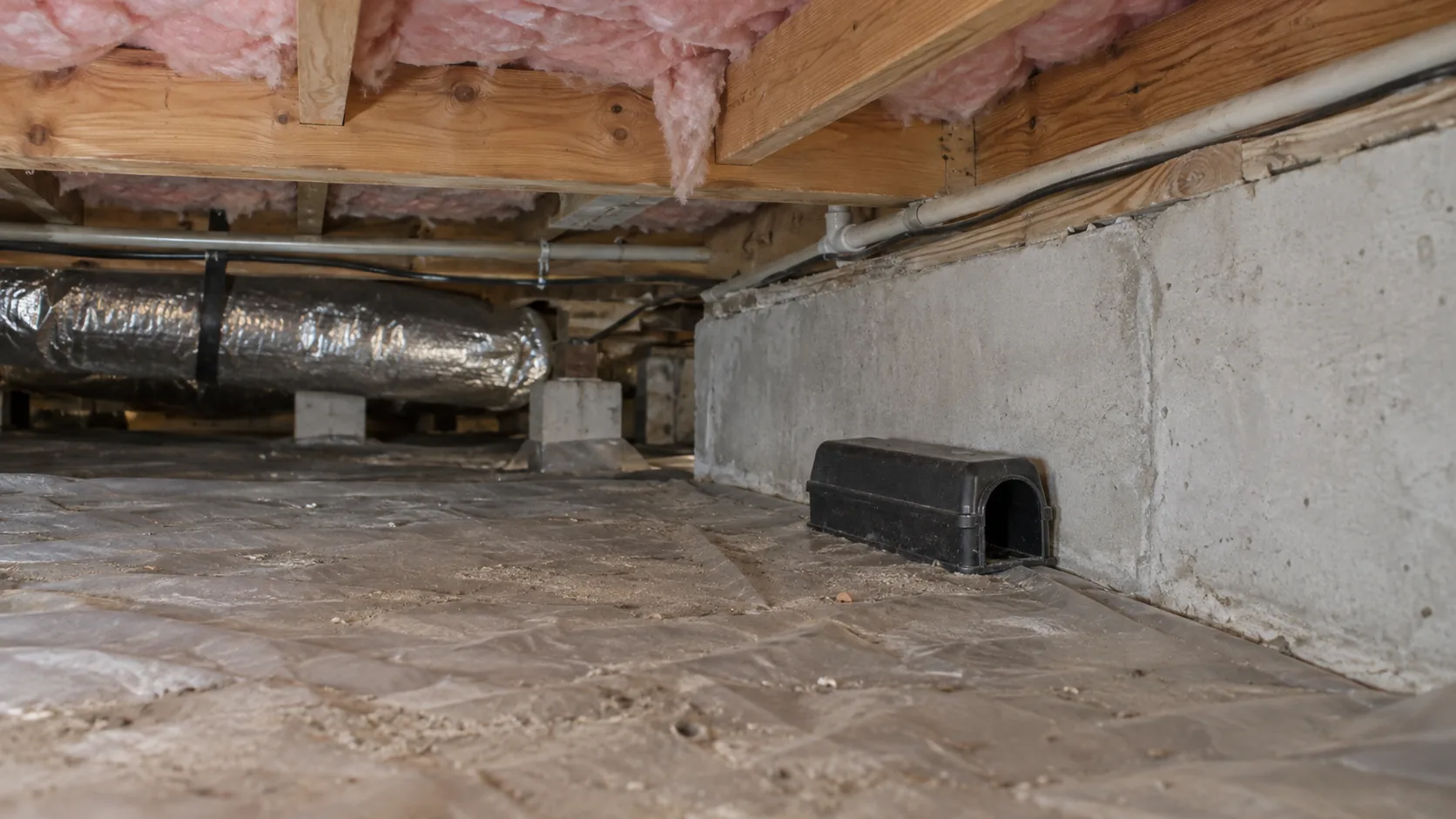
Crawl space rodent removal can cost more than a simple kitchen, garage, or basement job because access is often harder and the project may involve more than trapping.
For broad national planning:
- the active rodent-removal portion of many jobs is still in the few-hundred-dollar range
- common mouse-control pricing broadly starts around $150–$550
- common rat-control pricing broadly starts around $200–$650
- crawl-space access, exclusion, repeated monitoring, contamination, insulation work, and repairs can push the total above $1,000
- extensive remediation can move into several thousand dollars when substantial insulation removal/replacement, moisture work, structural repair, or other building work is genuinely necessary
These are planning ranges, not guaranteed quotes.
The final price depends on the actual scope.
A dry, accessible crawl space with one active route is very different from a tight, wet, contaminated space with several foundation openings and damaged insulation.
How Much Does Crawl Space Rodent Removal Cost?
A relatively straightforward crawl-space rodent job may remain in the few-hundred-dollar range when:
- access is safe
- activity is limited
- traps can be placed on stable retrievable routes
- entry points are simple
- contamination is light
- only a few visits are needed
The project becomes more expensive when it involves:
- several active zones
- low clearance
- standing water
- damaged vents
- multiple foundation openings
- utility penetrations
- contaminated insulation
- repeated trap monitoring
- rat burrows near the structure
- electrical or plumbing concerns
- structural repair
Crawl Space Removal Cost vs General Rodent Removal Cost
General rodent removal often involves more accessible areas such as:
- kitchens
- garages
- basements
- utility rooms
Crawl spaces add:
- restricted access
- moisture
- utilities
- foundation routes
- insulation
- contamination
- structural obstacles
See Rodent Removal Cost: What Affects the Price? for the broader pricing picture.
A crawl-space quote should explain which of those extra factors apply.
Mouse Removal From a Crawl Space
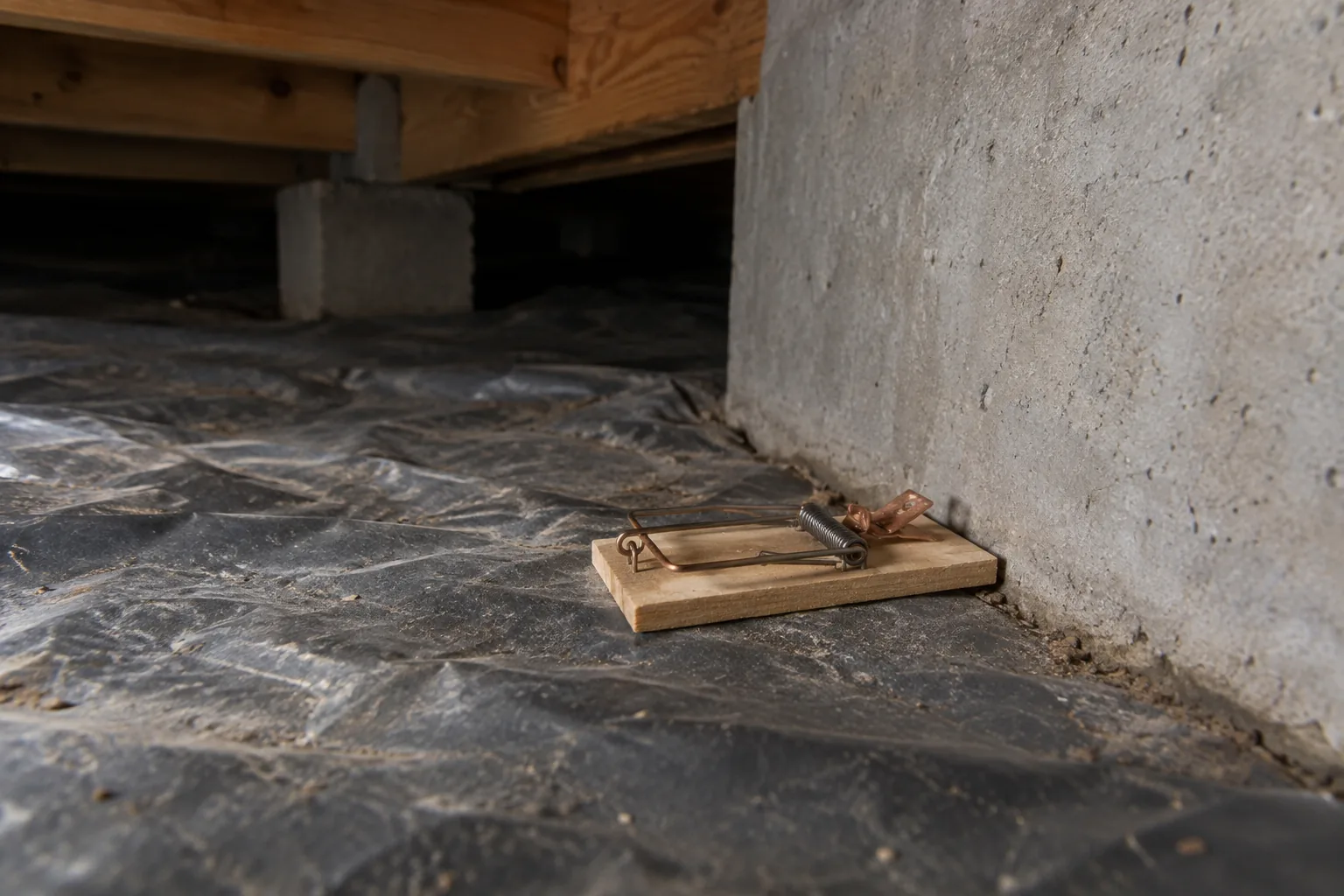
The broader planning range for common mouse-control jobs is around $150–$550.
Crawl-space mouse removal may involve:
- foundation-wall routes
- vent openings
- access-door gaps
- plumbing penetrations
- insulation edges
- small utility gaps
Cost can rise when:
- access is difficult
- several routes are active
- insulation is contaminated
- exclusion requires several repairs
See Mice in the Crawl Space: Signs & Removal.
Rat Removal From a Crawl Space
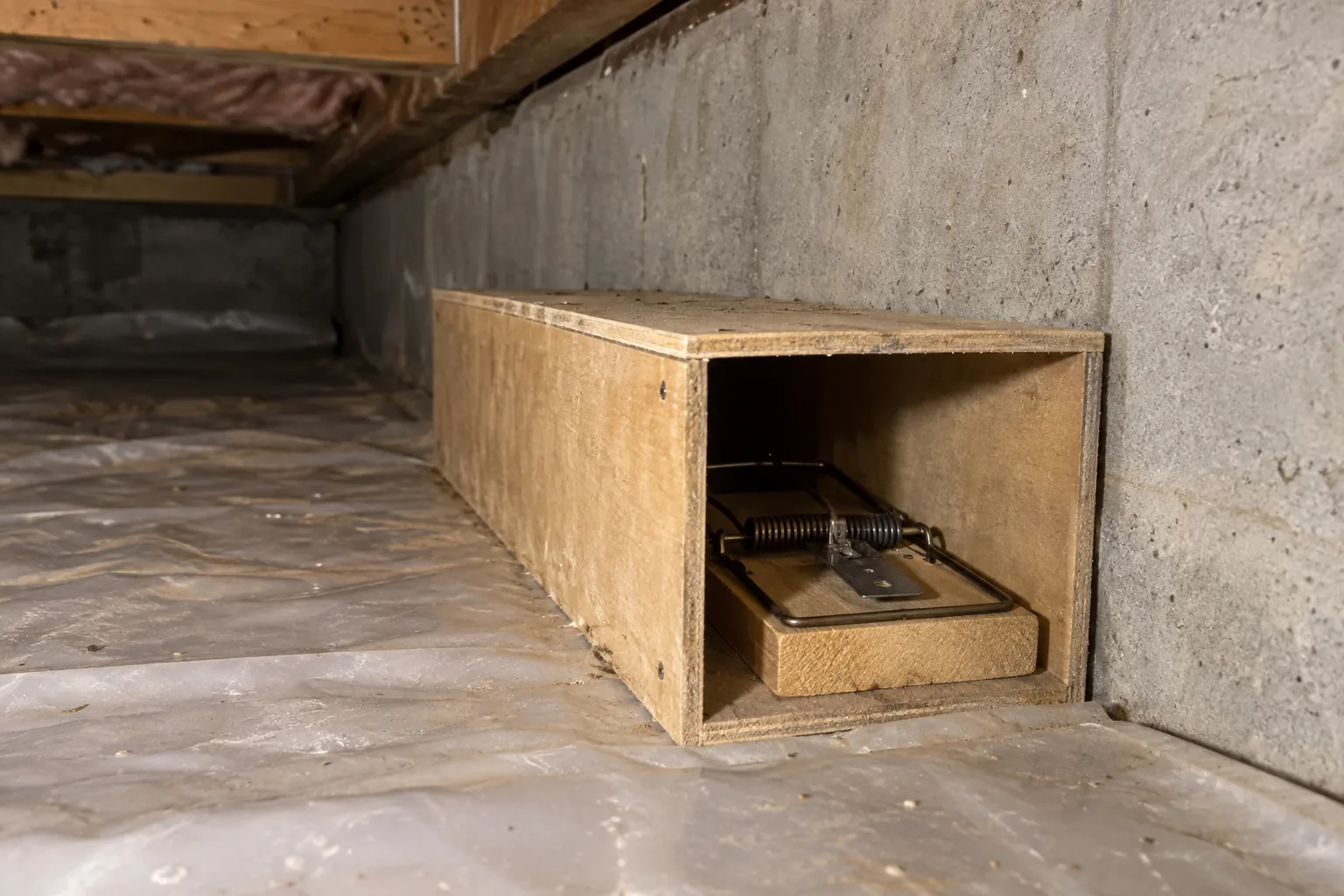
The broader planning range for common rat-control jobs is around $200–$650.
Rat work may involve:
- larger traps
- stronger protective enclosures
- foundation routes
- burrows near the structure
- crawl-space access points
- larger structural openings
Rat removal can become more expensive when indoor and outdoor activity overlap.
See Rats in the Crawl Space: Signs & Removal.
Is Crawl Space Inspection Included?
Sometimes.
When charged separately, a professional rodent inspection may often cost around $100–$200.
A crawl-space inspection may check:
- foundation walls
- vents
- access doors
- plumbing penetrations
- utility openings
- insulation
- droppings
- tracks
- gnawing
- nesting material
- moisture
- structural openings
See Rodent Inspection: What Professionals Check.
Why Safe Access Changes the Price
Crawl spaces vary dramatically.
A relatively easy crawl space may have:
- adequate headroom
- dry ground
- stable access
- clear routes
- limited utilities
A difficult crawl space may be:
- very low
- wet
- cluttered
- heavily insulated
- electrically hazardous
- difficult to move through
- contaminated
Difficult access increases:
- inspection time
- treatment time
- safety requirements
- follow-up labor
A provider may refuse unsafe entry until another issue is corrected.
What If There Is Standing Water?
Standing water changes the scope.
It can create:
- access problems
- electrical risk
- moisture damage
- separate drainage issues
Rodent-control technicians do not replace drainage or plumbing contractors.
If water must be corrected first, that work may add a separate cost.
Do not enter a wet crawl space near electrical systems.
Does Low Clearance Increase the Cost?
It can.
Low-clearance crawl spaces may take longer to inspect and service.
A technician may have difficulty:
- seeing the full route
- carrying equipment
- placing traps safely
- retrieving traps
- inspecting distant foundation sections
Very tight areas may be inaccessible.
How Much Does Crawl Space Trapping Cost?
Across many residential rodent jobs, professional trapping and monitoring may often fall around $150–$600.
Crawl-space trapping may move toward the upper part of that range when:
- several routes need traps
- access is difficult
- traps need protective enclosures
- repeated visits are necessary
- activity occurs in several sections
The trap itself is only part of the service cost.
The price also reflects:
- inspection
- placement
- monitoring
- catch removal
- repositioning
- follow-up
Why Crawl Space Traps Must Be Retrievable
Every trap should be placed where it can be:
- checked
- reset
- removed
- cleaned around
- repositioned
Do not bury traps in insulation.
Do not push traps into inaccessible foundation voids.
Do not place traps next to unsafe electrical equipment or standing water.
Does Crawl Space Rodent Removal Require Multiple Visits?
Often.
Follow-up may include:
- checking traps
- removing catches
- moving traps
- inspecting fresh droppings
- checking tracks
- reviewing entry repairs
- reassessing exterior activity
When billed separately, a follow-up visit may often be around $50–$150.
Many providers bundle follow-up into the initial quote.
Ask how many visits are included.
Does the Number of Rodents Determine Cost?
Not directly.
A technician usually cannot determine an exact population from:
- droppings
- trap catches
- tracks
- noises
- sightings
Pricing is more strongly influenced by:
- number of active zones
- access
- trap locations
- visit count
- exclusion
- cleanup
- repairs
Do not expect legitimate crawl-space pricing to be based on a fixed “price per rodent.”
Does Crawl Space Exclusion Add to the Price?
Yes.
Removal and exclusion are different scopes.
Crawl-space exclusion may involve:
- vent screening
- access-door repair
- utility penetrations
- foundation gaps
- sill openings
- damaged trim
Simple accessible repairs may fall around $200–$600.
Broader multi-point exclusion may move into the $600–$1,500+ range.
See Rodent Exclusion Cost: Sealing & Repair Pricing.
Why Vent Repairs Can Increase Cost
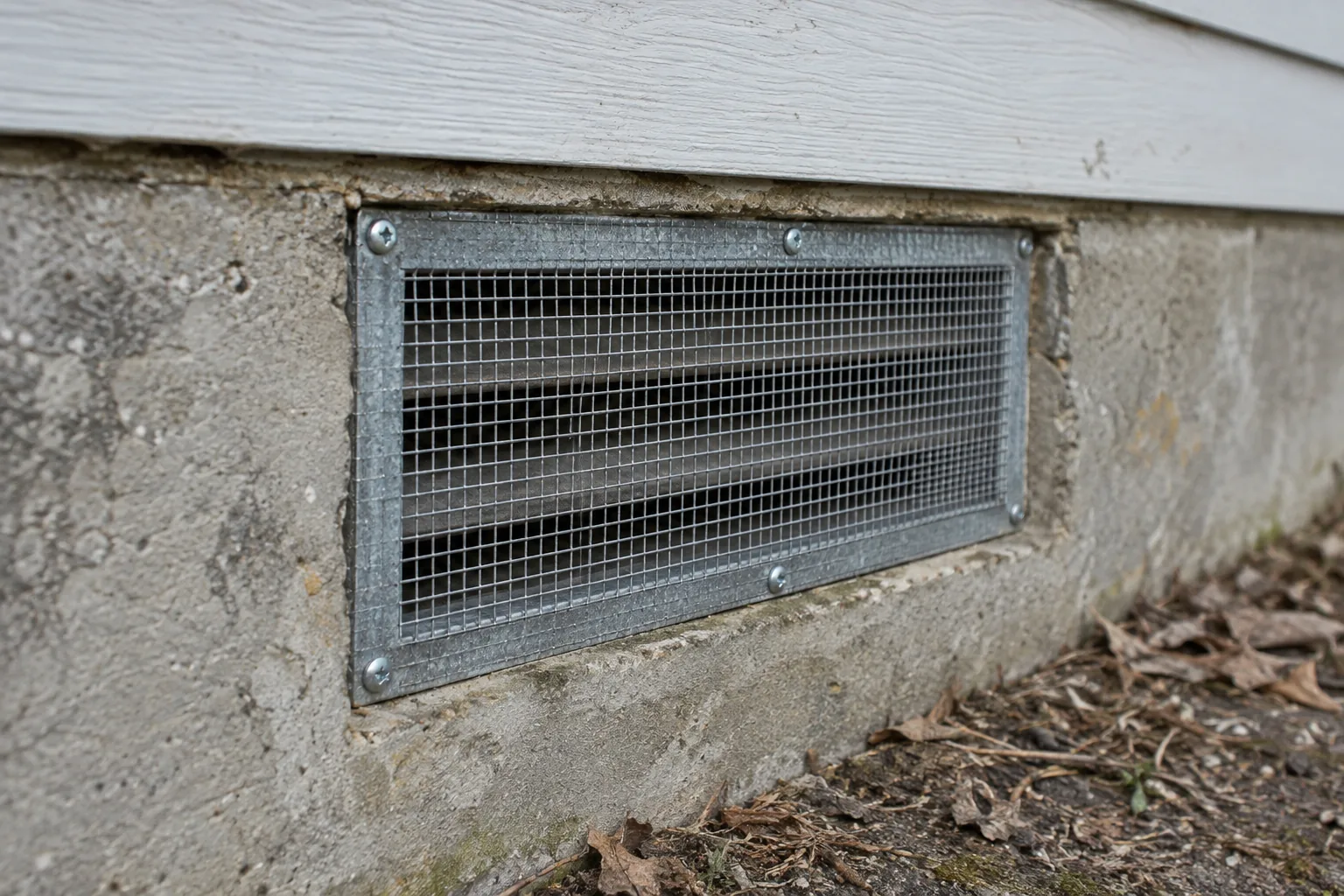
Crawl-space vents must remain functional.
A correct repair may require:
- rodent-resistant screening
- frame repair
- fastening
- weatherproofing
Do not block required ventilation just to stop rodents.
A damaged vent assembly may require more than simple mesh.
Does Access-Door Repair Add to the Cost?
It can.
Crawl-space access doors may have:
- lower gaps
- warped panels
- damaged trim
- missing seals
- poor latches
Simple adjustments may be inexpensive.
Replacement or carpentry can cost more.
The repair should preserve:
- safe access
- ventilation where applicable
- drainage
- normal operation
Do Utility Penetrations Increase Exclusion Cost?
They can.
Crawl spaces often contain:
- plumbing
- wiring
- HVAC lines
- cable entries
Repairs must preserve:
- utility clearance
- service access
- movement where necessary
- drainage
- ventilation
Do not use a cosmetic patch that makes later service impossible.
Does Crawl Space Cleanup Add to the Cost?
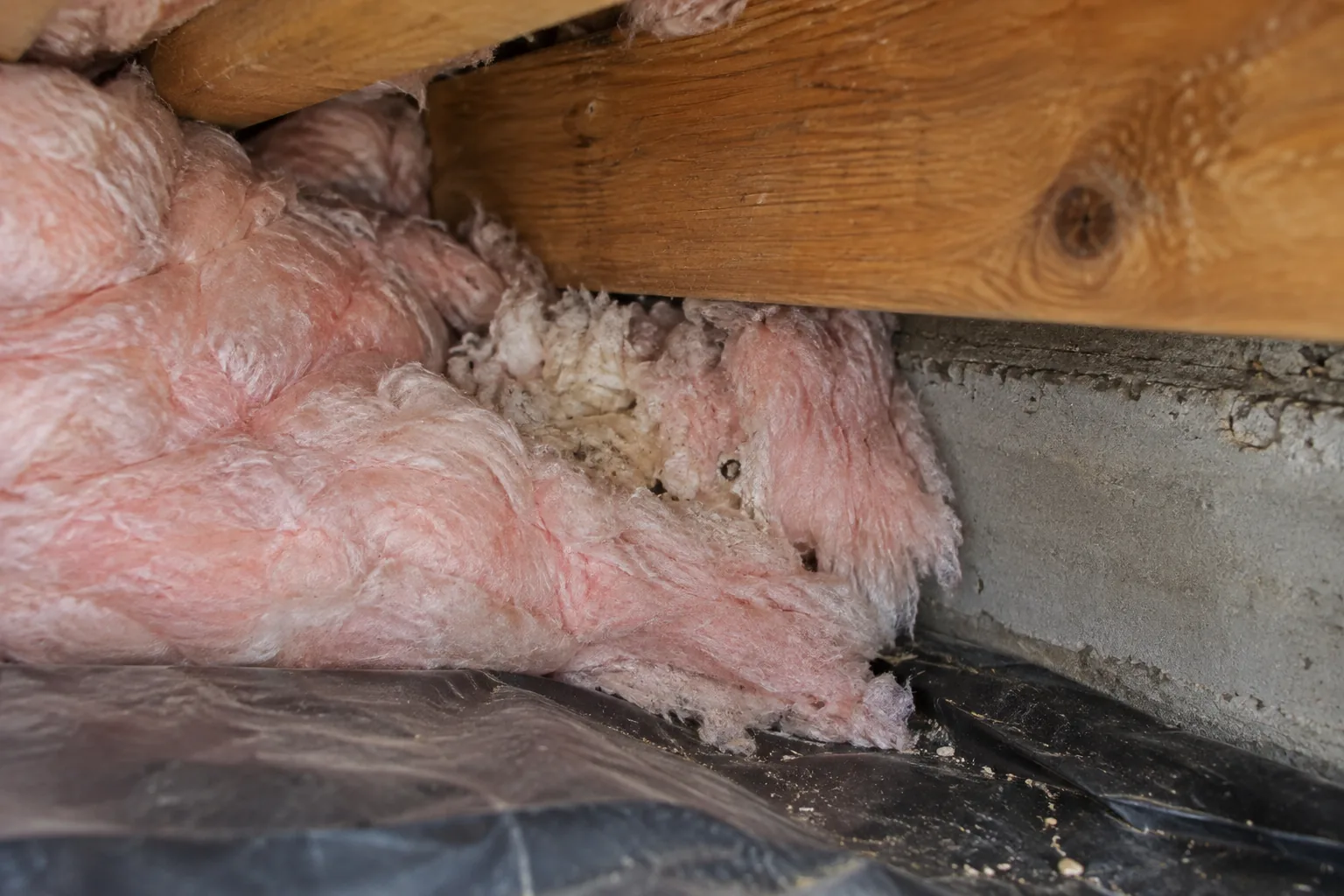
Yes, when contamination is significant.
Possible cleanup work includes:
- droppings
- nesting material
- urine contamination
- accessible carcasses
- contaminated insulation
A small localized area is very different from widespread contamination.
See Rodent Cleanup: Droppings, Urine & Contaminated Areas.
Does Every Crawl Space Need Insulation Removal?
No.
Rodent activity does not automatically mean all crawl-space insulation must be removed.
Localized contamination may affect only:
- one bay
- one wall route
- one nesting area
More extensive removal may make sense when material is:
- heavily contaminated
- saturated
- physically damaged
- repeatedly used for nesting
- holding persistent odor
Ask the provider to show what is affected.
Mouse Contamination in Crawl-Space Insulation
Mice may create:
- small nesting pockets
- compressed routes
- localized droppings
- urine contamination
See Mice in Insulation: Signs, Damage & Cleanup.
The scope should match the actual contaminated area.
Rat Contamination in Crawl-Space Insulation
Rats may create:
- larger disturbed areas
- heavier travel routes
- larger droppings
- nesting contamination
See Rats in Insulation: Signs, Damage & Cleanup.
Inspection should define what actually requires cleanup or removal.
Does a Vapor Barrier Affect the Cost?
It can.
A crawl space may already have a vapor barrier.
Rodent work should not automatically mean it needs replacement.
Additional cost may arise if the barrier is:
- heavily damaged
- contaminated
- interfering with safe access
- already due for repair
Vapor-barrier work is often separate from active rodent removal.
Does Moisture Control Affect the Cost?
Yes, when moisture is part of the problem.
Moisture may come from:
- plumbing leaks
- drainage
- groundwater
- condensation
A pest-control provider may identify the condition.
Repair may require:
- plumber
- drainage contractor
- crawl-space specialist
Do not assume moisture work is included in a rodent quote.
Does Carcass Removal Cost Extra?
Sometimes.
Accessible carcass removal may be included when a rodent is:
- in a trap
- near the access point
- on a safe service route
Cost may increase when a carcass is:
- deep in the crawl space
- behind a structural barrier
- inside a wall or floor cavity
- unsafe to reach
Another contractor may be needed if building access must be opened and repaired.
Does Wiring Damage Increase the Price?
It can.
Rodents may gnaw wire insulation.
If wiring appears damaged:
- do not touch exposed conductors
- do not work around energized equipment
- keep the area clear
A qualified electrician may be required.
Electrical work is usually separate from rodent-removal pricing.
Does Plumbing Damage Affect the Cost?
It can.
Rodents are often active around plumbing routes.
A leak can also support rodent activity.
If plumbing needs repair, that may require a separate professional.
Rodent control does not replace plumbing repair.
Does Structural Damage Affect the Cost?
Yes.
Crawl-space work may reveal:
- damaged wood
- loose access framing
- broken vent frames
- rot
- unrelated structural problems
A pest-control technician may identify a concern.
Structural repair may require a carpenter or contractor.
What About Rat Burrows Near the Crawl Space?
Burrows can add complexity when exterior rat activity connects to the foundation.
A technician may look for:
- fresh soil
- tracks
- droppings
- worn paths
- repeated sightings
Do not improvise burrow treatment with:
- flooding
- smoke
- fire
- gasoline
- exhaust
- household chemicals
- boiling water
- blind collapse
Burrow management should be coordinated with the overall rat-control plan.
Does Home Size Affect Crawl Space Removal Cost?
Yes, but crawl-space geometry matters more than square footage alone.
A larger crawl space may require:
- more inspection time
- more trap locations
- more foundation inspection
But a small crawl space that is:
- very tight
- wet
- contaminated
- difficult to reach
can cost more than a larger dry accessible space.
DIY Crawl Space Rodent Removal Cost
DIY can cost less upfront when:
- the crawl space is safely accessible
- activity is limited
- routes are obvious
- traps can be placed and retrieved easily
- there is no electrical, structural, moisture, or contamination hazard
DIY expenses may include:
- traps
- protective enclosures
- exclusion materials
- cleanup supplies
Do not enter a crawl space that is:
- wet
- unstable
- electrically hazardous
- heavily contaminated
- extremely tight
- unsafe to move through
A lower material cost is not worth unsafe access.
When Professional Crawl Space Removal May Be Worth the Cost
Professional help may make more sense when:
- rodents keep returning
- several crawl-space zones are active
- access is difficult
- foundation entry points are unclear
- rats have exterior burrows
- insulation is contaminated
- wiring appears damaged
- moisture is present
- safe trap placement is difficult
The value is often in:
- inspection
- safe access
- placement
- monitoring
- exclusion planning
not just the equipment.
What Should a Crawl Space Rodent Removal Quote Include?
A useful written quote should explain:
- inspection
- target pest
- crawl-space areas being serviced
- trap or station method
- number of visits
- who checks traps
- accessible carcass removal
- vent and access-door inspection
- exclusion
- cleanup
- insulation removal
- insulation replacement
- moisture-related work
- repairs
- follow-up
- warranty or re-service
- possible additional charges
If the quote only says “crawl-space rodent removal,” ask for more detail.
What May Cost Extra?
Depending on the provider, separate charges may apply for:
- difficult access
- additional visits
- vent repair
- access-door repair
- foundation exclusion
- carcass retrieval
- contaminated insulation removal
- replacement insulation
- vapor-barrier work
- electrical repair
- plumbing repair
- drainage work
- structural repair
The quote should separate active removal from those additional scopes.
Why the Cheapest Crawl Space Quote Is Not Always Cheapest
A low quote may include:
- one visit
- a few traps
- no follow-up
- no exterior inspection
- no exclusion
If rodents continue entering, the problem may return.
A more complete quote may include:
- inspection
- monitoring
- multiple visits
- entry-point work
That does not mean the higher quote is automatically better.
Compare the scope.
Why the Highest Crawl Space Quote Is Not Automatically Better
A large remediation estimate should be supported by visible findings.
Ask the provider to show:
- active routes
- entry openings
- damaged vents
- contaminated insulation
- moisture
- structural concerns
Do not approve whole-space insulation or barrier replacement without a clear reason.
Questions to Ask About Crawl Space Rodent Removal Cost
Before hiring, ask:
- Is inspection included?
- Is the problem mice, rats, or both?
- How many crawl-space areas are active?
- Is access safe?
- How many visits are included?
- Who checks traps?
- Is accessible carcass removal included?
- Is exclusion included?
- Are vents and access doors included?
- Is cleanup included?
- Does insulation need removal?
- Is replacement insulation included?
- Is moisture work separate?
- What repairs require another contractor?
- What could increase the final price?
These questions make competing quotes easier to compare.
Crawl Space Rodent Removal Cost: The Bottom Line
Crawl-space rodent removal often begins in the few-hundred-dollar range, but the total can rise quickly when the project expands beyond active removal.
For planning:
- ordinary mouse-control jobs broadly fall around $150–$550
- ordinary rat-control jobs broadly fall around $200–$650
- separate inspections may often be around $100–$200
- professional trapping/monitoring may often be around $150–$600
- simple exclusion repairs may often be around $200–$600
- broader exclusion can move into $600–$1,500+
A crawl-space project can exceed $1,000 when it includes:
- difficult access
- repeated monitoring
- extensive exclusion
- cleanup
- contaminated insulation
- moisture issues
- repair work
Extensive remediation can move into several thousand dollars when substantial insulation, barrier, drainage, structural, electrical, or plumbing work is genuinely necessary.
The best quote separates:
- active removal
- exclusion
- cleanup
- insulation work
- moisture work
- repairs
That makes it clear what is necessary and what is a separate project.
Continue with our rodent removal cost guide, rodent exclusion cost guide, attic rodent removal cost guide, rodent inspection guide, rodent cleanup guide, or rodent exclusion guide.
For broader pricing topics, visit the rodent cost section.