How Long Does Rodent Control Take?
Rodent control can take a few days to several weeks, depending on the species, where the rodents are active, how many routes they are using, and whether the job also includes exclusion or cleanup.
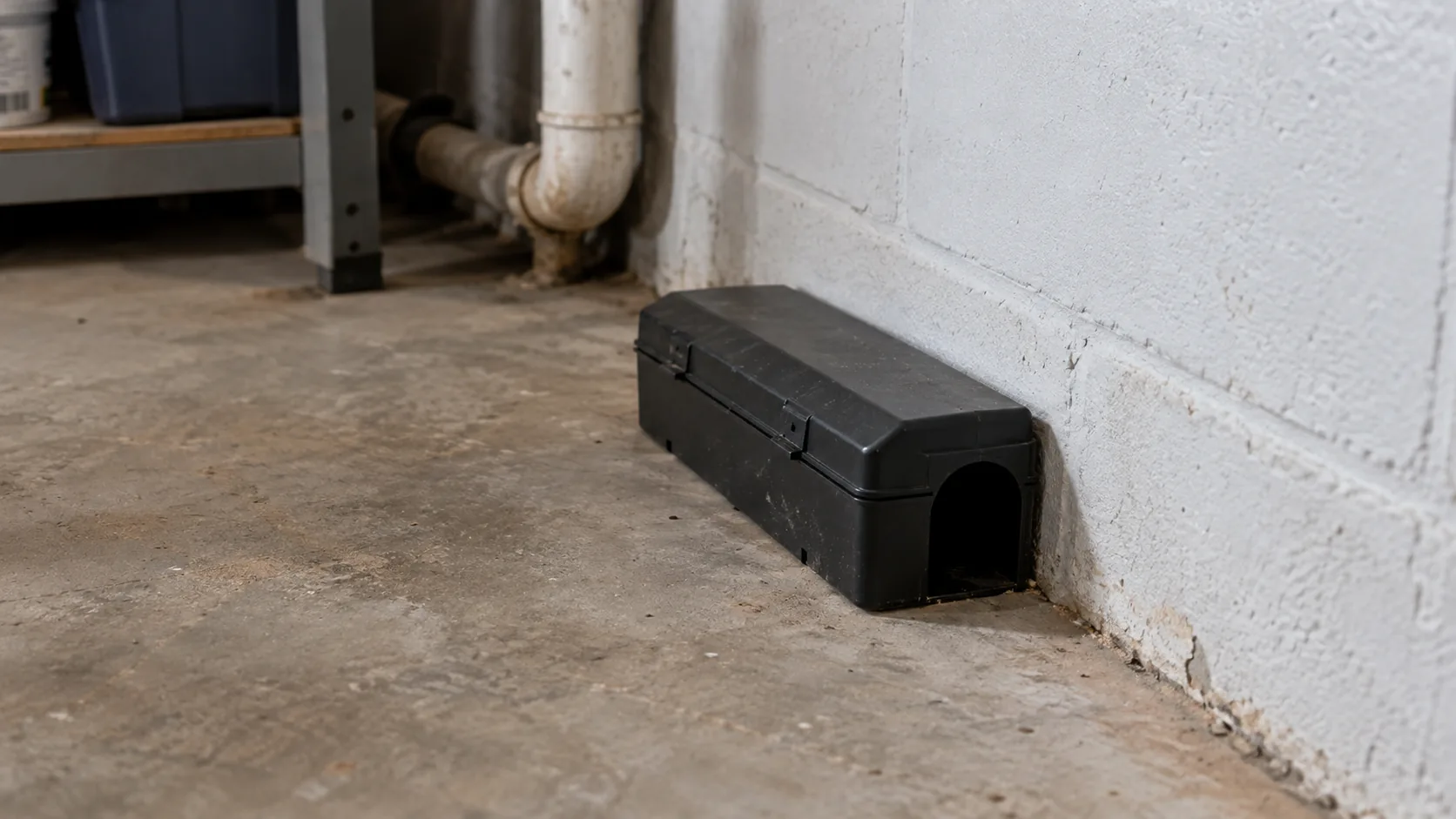
Rodent control can take a few days to several weeks, depending on the species, where the rodents are active, how many routes they are using, and whether the job also includes exclusion or cleanup.
A simple mouse problem in one accessible room may improve quickly.
A rat problem involving:
- several rooms
- an attic
- a crawl space
- exterior routes
- multiple entry points
may take longer.
The first visit is usually only the beginning.
Professional rodent control often involves several stages:
- inspection
- trap or station placement
- monitoring
- follow-up
- exclusion
- cleanup when needed
The total timeline depends on how those stages unfold.
How Long Does the First Rodent-Control Visit Take?
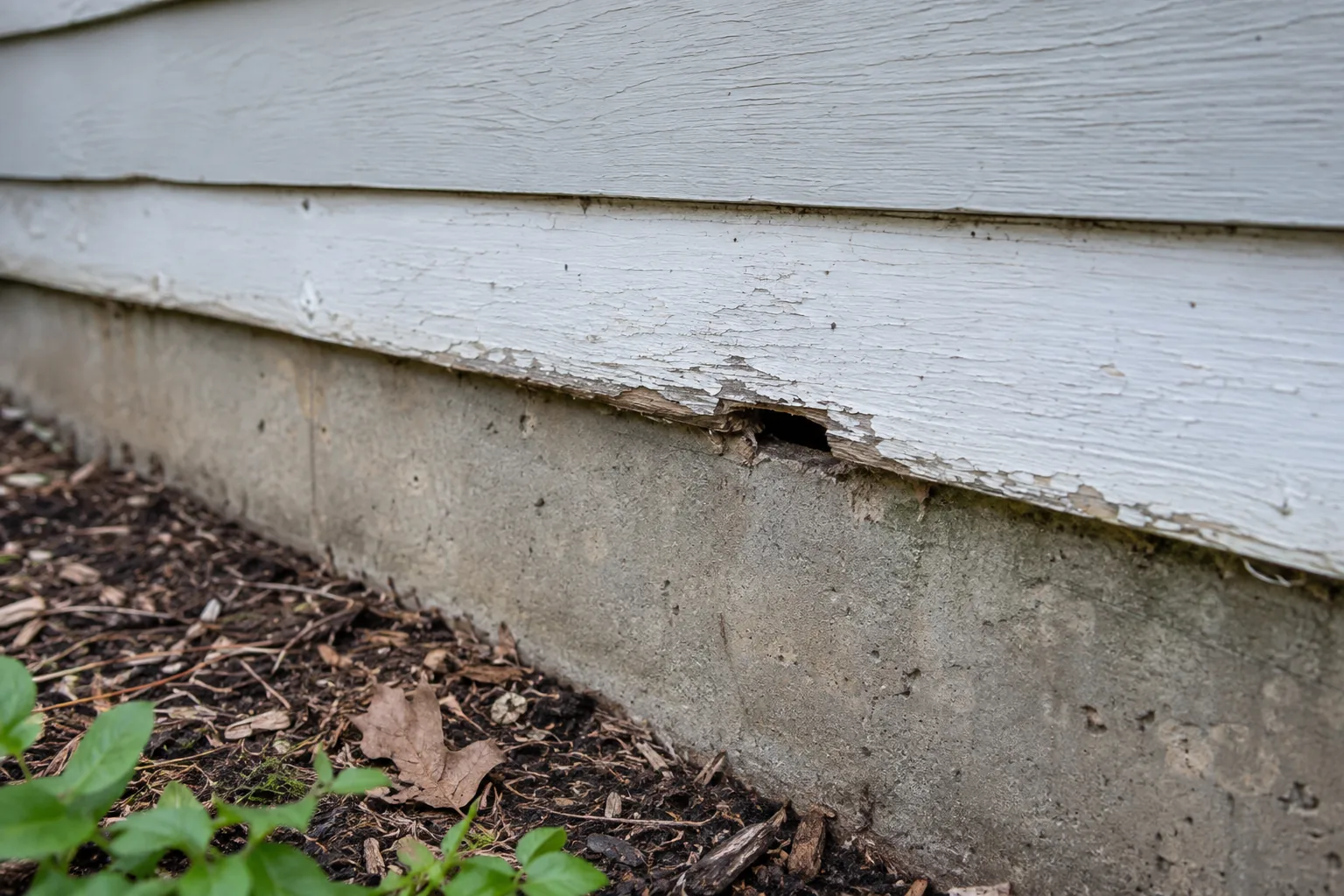
The first appointment may take anywhere from under an hour to a few hours, depending on the property and service scope.
A technician may need to:
- inspect the problem areas
- identify mouse vs rat activity
- trace travel routes
- check entry points
- place traps
- install monitored stations where appropriate
- discuss exclusion
- document findings
A small apartment or one-room issue may be faster.
A larger home with attic, crawl-space, garage, and exterior activity may take longer.
Does Rodent Control Work After One Visit?
Sometimes a simple problem improves after the first visit.
But many rodent jobs require follow-up.
The first visit may establish:
- where rodents are traveling
- which traps are contacted
- which routes remain active
- whether new evidence appears
- which entry points need repair
The next visit may be when the technician adjusts the plan.
That is why “one visit” and “problem solved” are not always the same thing.
How Long Does Mouse Control Take?
A limited mouse problem can sometimes show clear improvement within several days.
More established mouse activity may take one to several weeks to fully control.
The timeline depends on:
- how many rooms are active
- whether mice are in walls or ceilings
- whether food is available
- whether traps are placed on active routes
- whether entry points remain open
- whether follow-up is performed
See Professional Mouse Control: Methods & What to Expect.
How Long Does Rat Control Take?
Rat control often takes longer when the animals are using both indoor and outdoor routes.
A professional program may take several days to several weeks.
Longer jobs may involve:
- crawl spaces
- attics
- yards
- decks
- foundation routes
- burrows
- rooflines
- repeated monitoring
See Professional Rat Control: Methods & What to Expect.
Why Rats Can Take Longer Than Mice
Rats often use larger territories and more complex exterior routes.
They may travel between:
- yards
- drains
- sheds
- decks
- foundations
- crawl spaces
- attics
Rat control may therefore require:
- indoor trapping
- exterior monitoring
- burrow assessment
- structural exclusion
- more follow-up
That does not mean every rat job takes longer than every mouse job.
A difficult mouse infestation can still take longer than a simple rat problem.
How Long Does Trapping Take?
Trapping may produce catches quickly when traps are placed directly on active routes.
But the goal is not simply to catch one rodent.
A technician may need time to:
- monitor several locations
- reposition traps
- remove catches
- identify missed routes
- confirm whether fresh evidence continues
A few quick catches can be encouraging.
They do not prove the entire problem is resolved.
How Long Should Traps Stay Out?
Traps should generally remain in place long enough to evaluate whether activity has stopped.
That may require:
- several monitoring days
- one or more follow-up visits
- continued inspection for fresh evidence
The exact period varies by job.
Do not remove traps immediately after one quiet night.
Does Bait Take Longer Than Trapping?
It can.
A monitored bait-station program may require more time to evaluate because the technician needs to track:
- bait interaction
- station activity
- fresh signs
- movement patterns
- follow-up needs
Rodenticide is a pesticide.
If it is used, the product label controls:
- placement
- station requirements
- servicing
- safety
Baiting is not automatically faster than trapping.
How Long Does Rodent Inspection Take?
A basic inspection may be relatively quick.
A full inspection can take longer when the technician checks:
- interior rooms
- garage
- basement
- attic
- crawl space
- exterior foundation
- utility penetrations
- roofline
See Rodent Inspection: What Professionals Check.
Difficult access can extend both the inspection and the full control timeline.
How Soon Should You See Less Activity?
Many homeowners expect activity to stop immediately.
That is not always realistic.
A good program may show gradual improvement through:
- fewer sightings
- fewer fresh droppings
- fewer trap contacts
- less scratching
- fewer new gnaw marks
The trend matters more than one isolated day.
Does One Quiet Night Mean the Rodents Are Gone?
No.
Rodent activity can be intermittent.
One quiet night may mean:
- the animals used another route
- they remained in another area
- traps were avoided
- activity temporarily decreased
A better measure is whether fresh evidence continues over time.
How Long Until Droppings Stop Appearing?
Fresh droppings should decrease as activity is controlled.
But old droppings may remain until cleanup.
That is why it is useful to distinguish:
- old evidence
- new evidence
The presence of old droppings alone does not prove current activity.
How Long Does Rodent Exclusion Take?
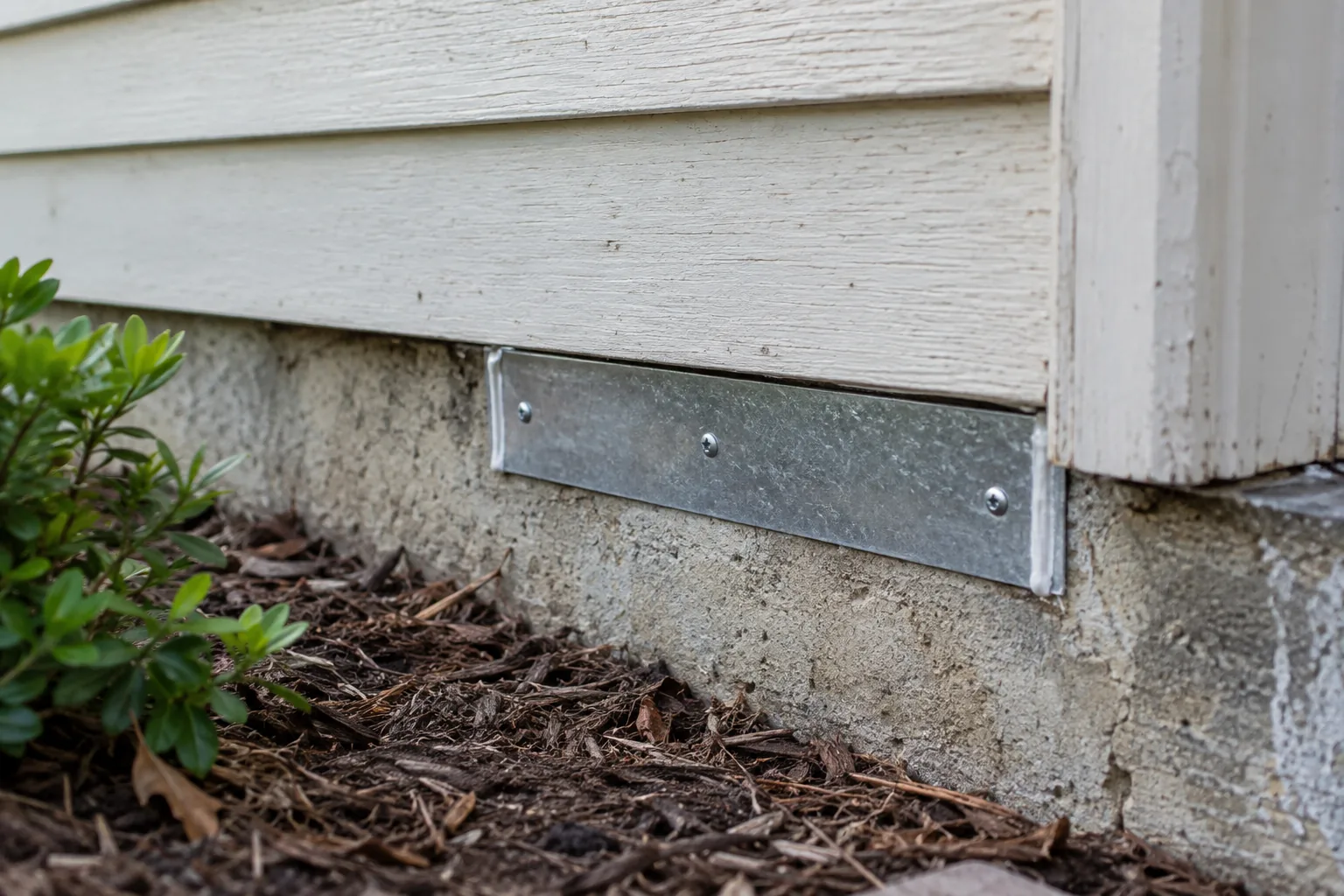
Exclusion may be completed during:
- the initial service
- a follow-up visit
- a separate repair appointment
The timing depends on:
- number of openings
- repair materials
- access
- weather
- roofline work
- garage-door work
- crawl-space work
See Rodent Exclusion: How to Keep Rats & Mice Out.
Why Exclusion Timing Matters
Sealing too early can create problems if rodents are still inside.
A technician may want to:
- identify active routes
- reduce or remove indoor rodents
- close high-priority entry points
- monitor afterward
The sequence varies by property.
Do not blindly seal every opening while active rodents may still be trapped inside.
Can Exclusion Make the Job Take Longer?
Yes.
A trapping-only service may be relatively short.
A complete project with:
- foundation repairs
- door sealing
- vent screening
- soffit work
- roofline work
can take longer.
Some repairs may require:
- carpenter
- roofer
- garage-door technician
- mason
- another qualified trade
That can extend the project beyond the pest-control visits.
How Long Does Attic Rodent Control Take?
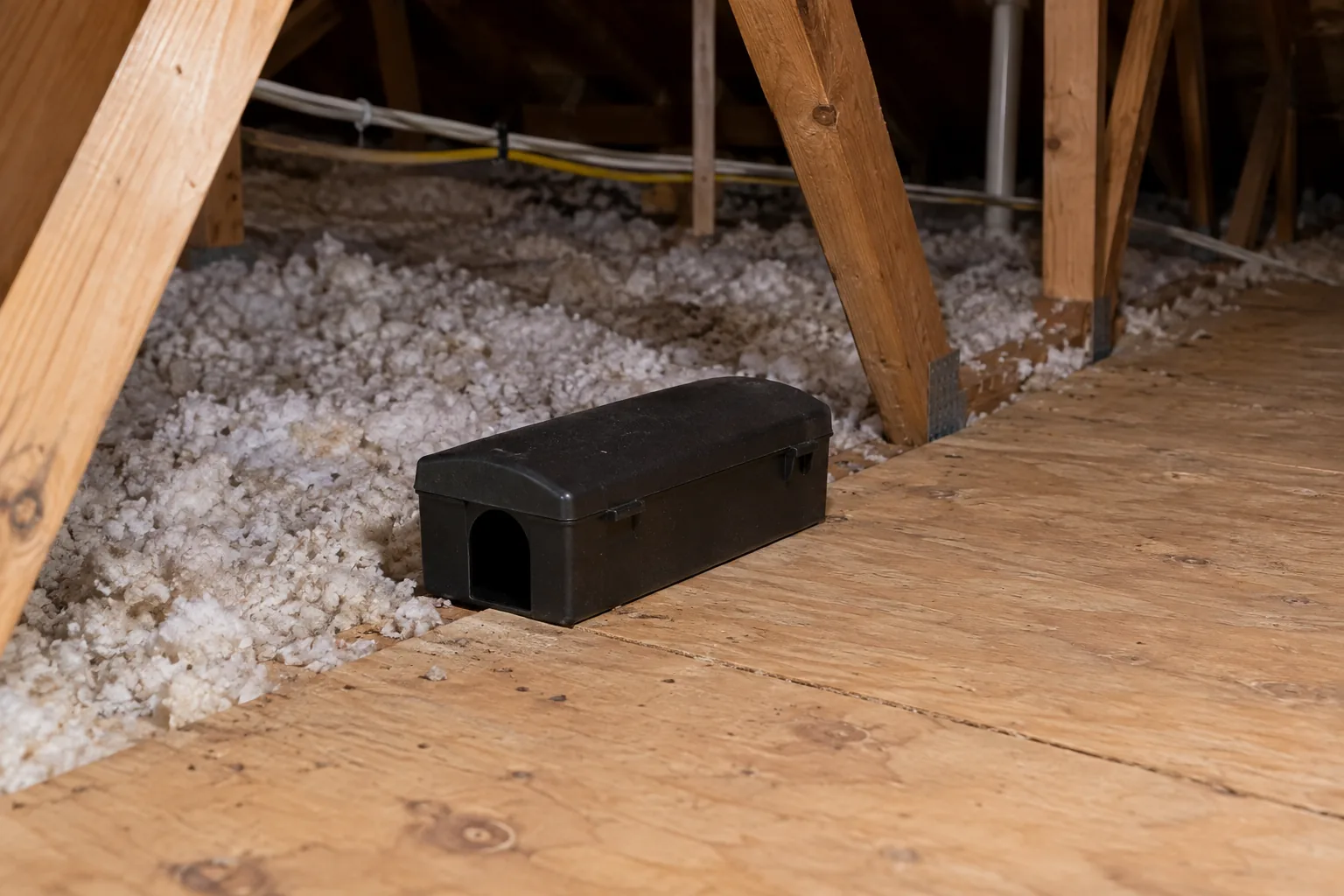
Attic jobs may take longer because of:
- access
- insulation
- wiring
- roofline routes
- hidden travel paths
- contamination
A technician may need multiple visits to:
- monitor traps
- inspect new evidence
- adjust placement
- confirm exclusion work
See Mice in the Attic and Rats in the Attic.
How Long Does Crawl-Space Rodent Control Take?
Crawl-space jobs may also take longer when the space is:
- tight
- wet
- heavily insulated
- difficult to reach
- contaminated
A provider may need to limit access until moisture, electrical, or structural hazards are addressed.
See Mice in the Crawl Space and Rats in the Crawl Space.
Do Wall or Ceiling Rodents Take Longer?
They can.
Wall and ceiling activity is harder to monitor directly.
A technician may need to trace routes through:
- attic edges
- cabinets
- utility chases
- baseboards
- accessible openings
That may require more observation and follow-up.
See Mice in Walls and Rats in Walls.
Does the Number of Rodents Change the Timeline?
It can, but exact population is usually unknown.
Technicians usually evaluate:
- number of active areas
- fresh evidence
- catch pattern
- sightings
- route activity
The job becomes longer when activity is spread across more locations.
Do not rely on one catch or one dropping pile as an exact population count.
Does Food Availability Slow Rodent Control?
Yes.
Rodents are harder to control when they have easy access to:
- open food
- spilled grain
- pet food
- bird seed
- garbage
- food debris
Reducing competing food can improve trap and monitoring effectiveness.
Does Water Availability Matter?
It can.
Leaks and standing water can support rodent activity.
Common sources include:
- plumbing leaks
- pet water
- condensation
- crawl-space moisture
- outdoor water
Repairing water problems can support the overall control plan.
Does Clutter Make Rodent Control Take Longer?
It can.
Heavy clutter can create:
- more hiding areas
- more nesting material
- blocked wall routes
- harder inspection
- harder trap placement
Removing unnecessary clutter can improve access.
Do not disturb heavily contaminated nesting material dry.
How Often Are Follow-Up Visits Needed?
There is no universal schedule.
Some jobs need:
- one follow-up
- several follow-ups
- recurring monitoring
The schedule depends on:
- species
- route activity
- trap results
- access
- exclusion progress
- provider service model
Ask how follow-up is included in the service.
What Happens During a Follow-Up Visit?
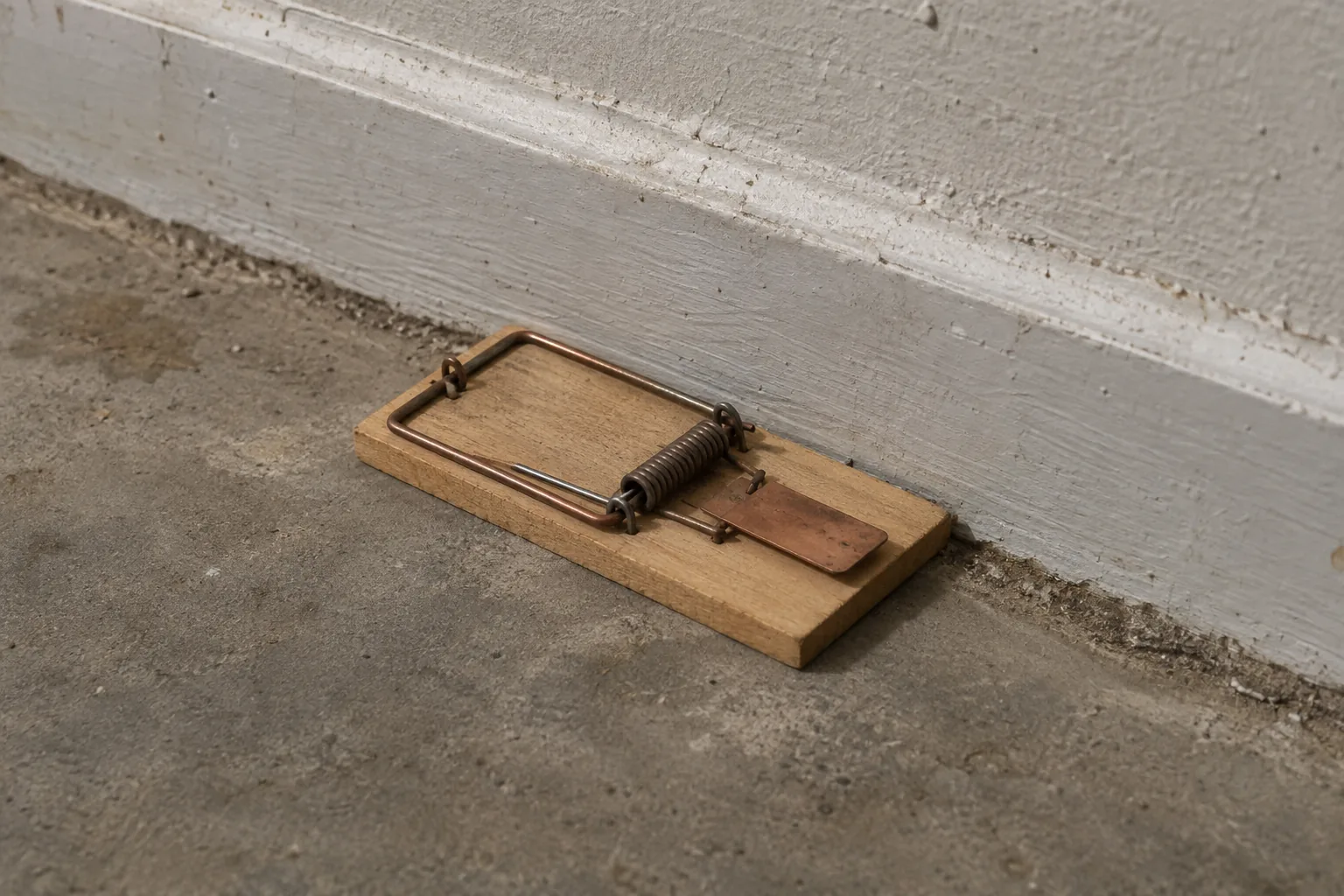
A technician may:
- check traps
- remove catches
- reposition traps
- service stations
- look for fresh droppings
- inspect new gnaw marks
- review entry repairs
- check exterior activity
Follow-up is where the plan is adjusted based on what happened after the first visit.
How Do You Know the Program Is Working?
Useful signs include:
- fewer fresh droppings
- fewer sightings
- less scratching
- fewer trap contacts
- no new gnaw damage
- no new nesting material
Look for a consistent trend.
Do not judge the entire program from one day.
When Should the Timeline Be Reassessed?
Ask the provider to reassess if:
- fresh droppings continue at the same rate
- sightings remain frequent
- scratching stays unchanged
- new entry points appear
- traps are repeatedly ignored
- rodents appear in new rooms
That may mean:
- placement needs adjustment
- a route was missed
- exclusion is incomplete
- another food source exists
- exterior pressure remains high
Can Cleanup Start Before Rodent Control Is Finished?
Minor cleanup may be possible in some accessible areas.
Major cleanup is often better after active rodents are under control.
Otherwise, the cleaned area may be contaminated again.
See Rodent Cleanup: Droppings, Urine & Contaminated Areas.
Fresh rodent waste should not be dry swept or vacuumed before proper wet cleanup.
How Long Does Cleanup Take?
Cleanup time depends on the contamination.
A small hard-surface area may be relatively quick.
A larger project may involve:
- attic insulation
- crawl-space insulation
- nesting material
- urine contamination
- carcass removal
- bagging
- disposal
- deodorization
Cleanup can become a separate project from active rodent control.
Can Insulation Work Extend the Timeline?
Yes.
If insulation is heavily contaminated or damaged, the project may include:
- removal
- cleanup underneath
- replacement
That can add additional appointments and possibly another contractor.
Not every rodent problem requires insulation replacement.
Can Electrical or Structural Damage Extend the Job?
Yes.
Rodents may damage:
- wiring
- insulation
- wood edges
- building openings
If repair is needed, another trade may be required.
Examples include:
- electrician
- roofer
- carpenter
- plumber
- HVAC technician
The rodent-control portion may finish before the building repair portion.
How Long Does Professional Rodent Removal Take?
The active removal stage often takes several days to several weeks.
A useful way to think about it is:
Faster jobs
- one accessible area
- clear routes
- easy trap placement
- limited entry points
- little contamination
Longer jobs
- several rooms
- attic or crawl-space activity
- rats using outdoor routes
- multiple entry points
- heavy clutter
- difficult exclusion
- repeated follow-up
See Rodent Removal Services: What’s Included?.
Can Rodent Control Take More Than a Month?
Yes.
Longer projects can happen when:
- activity is widespread
- access is difficult
- exclusion is extensive
- exterior rat pressure remains high
- structural repair is delayed
- contamination requires remediation
- multiple units or shared walls are involved
That does not mean every long job is being handled poorly.
But the provider should be able to explain why the project is still active.
What Can Homeowners Do to Avoid Delays?
Useful steps include:
- keep scheduled follow-up visits
- avoid moving traps without guidance
- reduce accessible food
- store pet food securely
- clean spills
- fix accessible leaks
- keep service routes clear
- report new sightings
- report new sounds
- point out new droppings
- allow safe access to affected areas
Do not disturb trap placement repeatedly.
Should You Move Traps Yourself?
Usually, avoid moving professionally placed traps unless the technician asks you to.
Placement is based on:
- wall routes
- travel direction
- evidence
- safety
- retrievability
Moving traps can make the monitoring data less useful.
Should You Seal Holes Yourself During Treatment?
Be cautious.
A visible opening may be part of an active route.
Closing it at the wrong time may trap rodents inside or redirect them.
Ask the provider which repairs are ready to close.
Questions to Ask About the Timeline
Before hiring, ask:
- How many visits are included?
- When is the first follow-up?
- Who checks traps?
- Is exclusion included?
- When will entry points be repaired?
- Is cleanup included?
- What signs show the program is working?
- What would make the job take longer?
- What happens if activity continues?
- Is re-service included?
A useful provider should be able to explain the process without promising an exact elimination date.
Red Flags in Timeline Claims
Be cautious if a provider promises:
- every rodent gone in one visit
- guaranteed same-day elimination
- an exact rodent count from droppings
- permanent control without exclusion
- zero recurrence without inspecting entry points
Rodent control is a process, not a stopwatch.
How Long Does Rodent Control Take? The Bottom Line
For many homes, professional rodent control takes a few days to several weeks.
The first visit may include:
- inspection
- trap or station placement
- initial recommendations
Full resolution may also require:
- monitoring
- follow-up
- exclusion
- cleanup
- repair work
Simple accessible mouse jobs may improve quickly.
More complicated rat, attic, crawl-space, wall, or multi-route problems can take longer.
The best timeline is not the fastest promise.
It is a clear plan that shows:
- what is active
- what is being monitored
- what will be repaired
- how progress will be measured
- when follow-up will happen
Continue with our rodent control guide, rodent removal services guide, rodent inspection guide, professional mouse control guide, professional rat control guide, or rodent exclusion guide.