How Fast Do Rats Reproduce?
Rats can reproduce quickly when they have reliable food, water, shelter, and safe nesting areas.
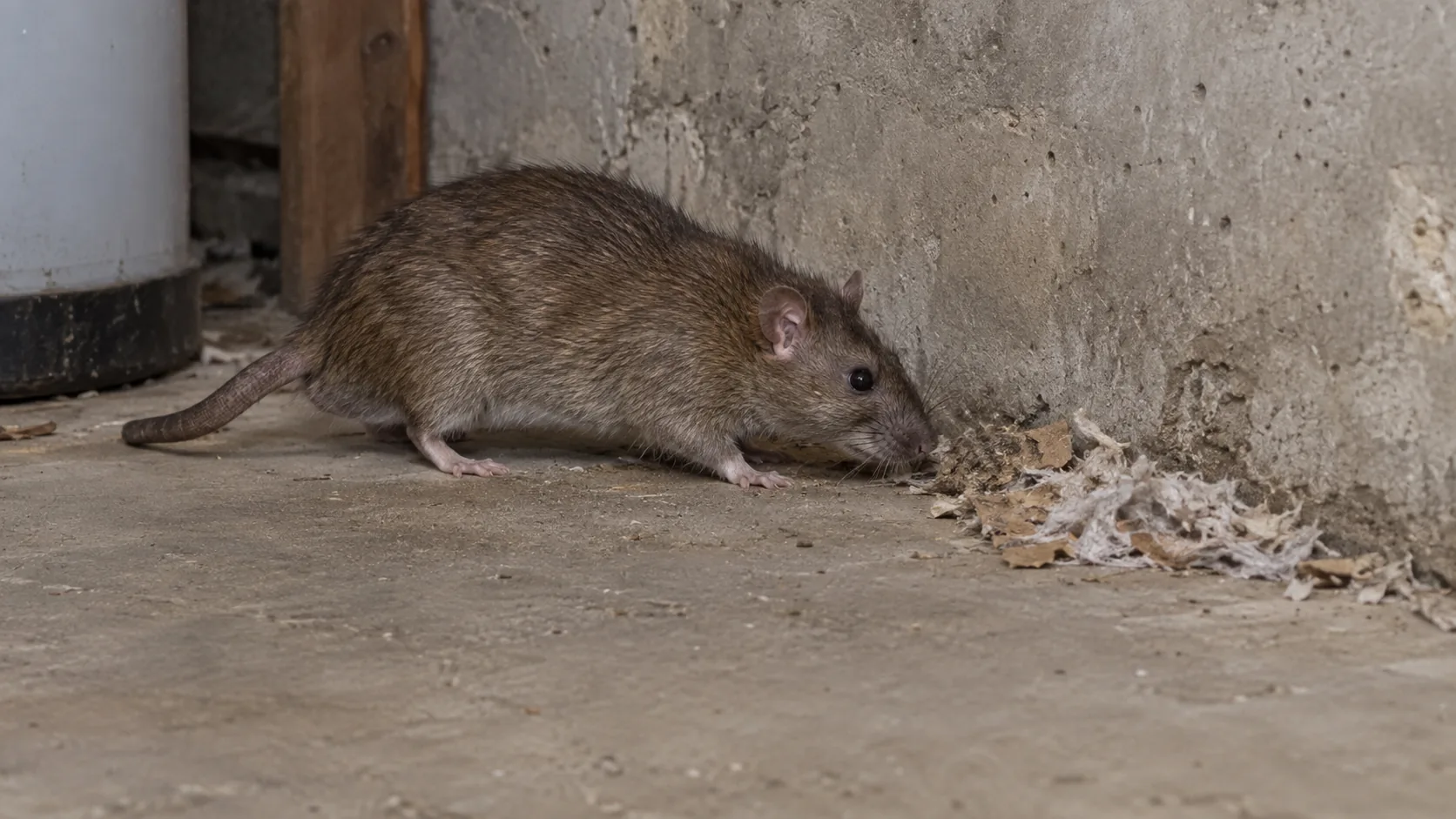
Rats can reproduce quickly when they have reliable food, water, shelter, and safe nesting areas.
For the two rats most often associated with U.S. buildings—Norway rats and roof rats—pregnancy lasts only about three weeks.
Litters commonly contain several pups.
Norway-rat litters are often around 6–12 pups, while roof-rat litters are often somewhat smaller, although litter size varies widely.
Young rats can become reproductively mature in roughly two to three months.
That combination allows a rat population to grow quickly when conditions remain favorable.
But real infestations do not expand at a perfect mathematical rate.
Not every pup survives.
Not every female breeds continuously.
Food, shelter, climate, competition, predators, disease, dispersal, and control efforts all affect population growth.
How Quickly Can Rats Reproduce?
A simplified rat reproductive cycle looks like this:
- mating
- about three weeks of pregnancy
- birth of a litter
- nursing and early development
- juveniles becoming independent
- young rats reaching reproductive maturity within a few months
Under favorable conditions, adult females may produce repeated litters.
That is one reason established rat activity can persist around:
- crawl spaces
- garages
- yards
- decks
- attics
- sheds
- foundation routes
- dense exterior cover
How Long Is a Rat Pregnant?
Pregnancy in common commensal rats usually lasts about 21 to 24 days.
That is roughly three weeks.
Exact timing varies by species and individual.
The practical point for homeowners is that the reproductive cycle is short.
A population does not need many months to produce another litter.
How Many Babies Do Rats Have at Once?
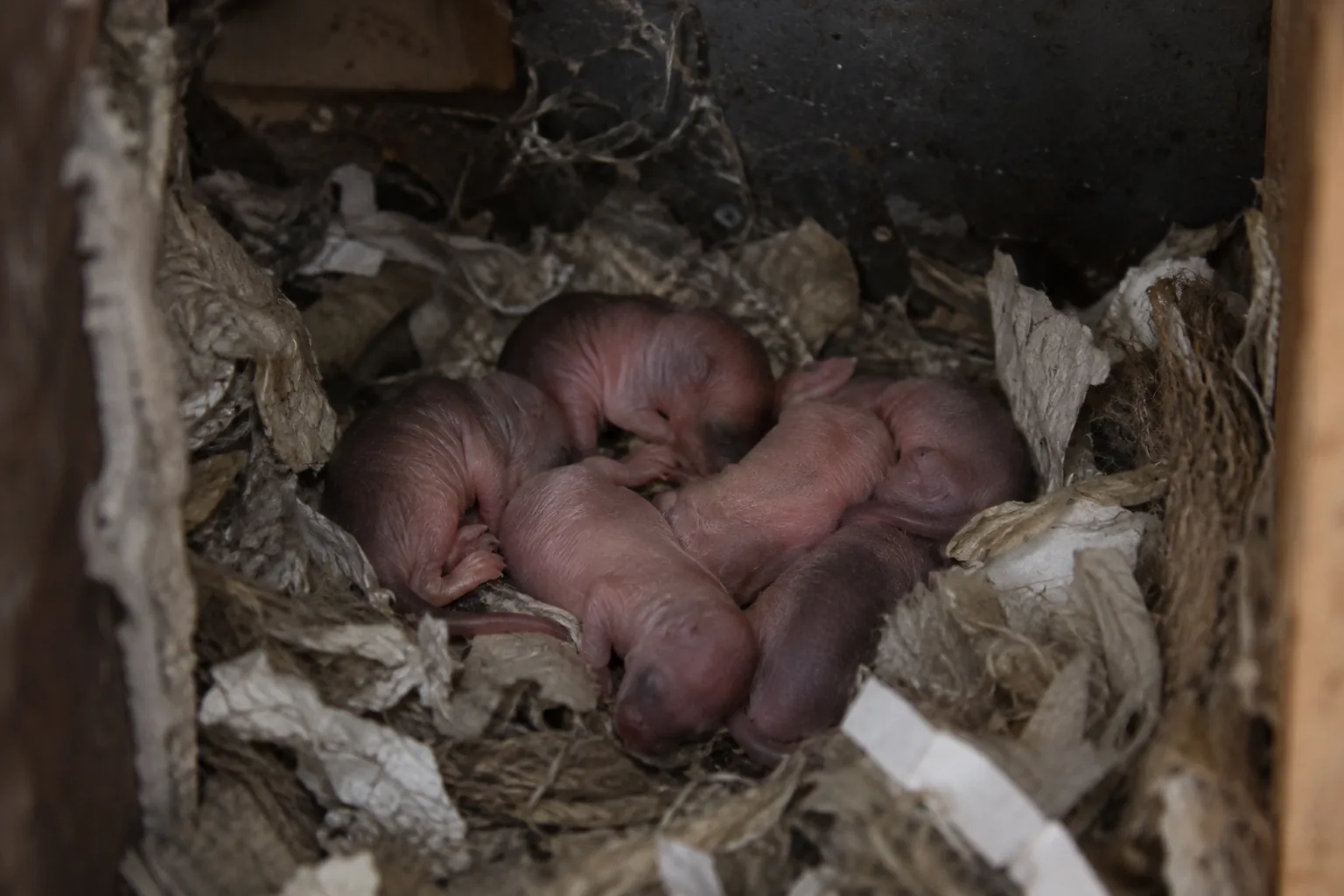
Rat litter size varies.
For Norway rats, litters often contain around 6–12 pups.
Roof-rat litters are commonly smaller on average, though overlap is substantial.
A litter can be:
- smaller
- larger
- affected by the female’s age
- affected by nutrition
- affected by environmental conditions
There is no single litter size that applies to every rat.
Can Rats Have Several Litters a Year?
Yes.
Female rats can produce multiple litters when conditions are favorable.
That does not mean every female reproduces continuously at the biological maximum.
Real reproductive output depends on:
- food
- water
- shelter
- access to mates
- health
- stress
- population density
- temperature
- mortality
- control pressure
A protected urban environment can support repeated breeding more easily than a harsh outdoor setting.
How Soon Can a Rat Become Pregnant Again?
Female rats can become reproductively active again relatively soon after giving birth.
That ability helps populations grow quickly.
But maximum biological potential should not be confused with what happens in every home.
A rat population may be limited by:
- food competition
- disturbance
- trapping
- exclusion
- disease
- predators
- lack of nesting space
How Old Are Rats When They Can Reproduce?
Young rats can reach sexual maturity in roughly two to three months.
Some individuals may mature somewhat earlier or later.
That means a litter born during one season can potentially contribute to the next generation relatively soon.
Overlapping generations are common in established populations.
Do Rats Reproduce Year-Round?
They can.
Rats living around warm buildings or in mild climates may reproduce for much of the year when food and shelter remain available.
Indoor or sheltered environments can provide:
- stable temperature
- food
- water
- nesting material
- protection from weather
Outdoor breeding may be more seasonal where winters or food shortages are severe.
It is better to say rats can breed year-round under favorable conditions than to claim they always do.
Why Do Rats Reproduce So Quickly Around Homes?
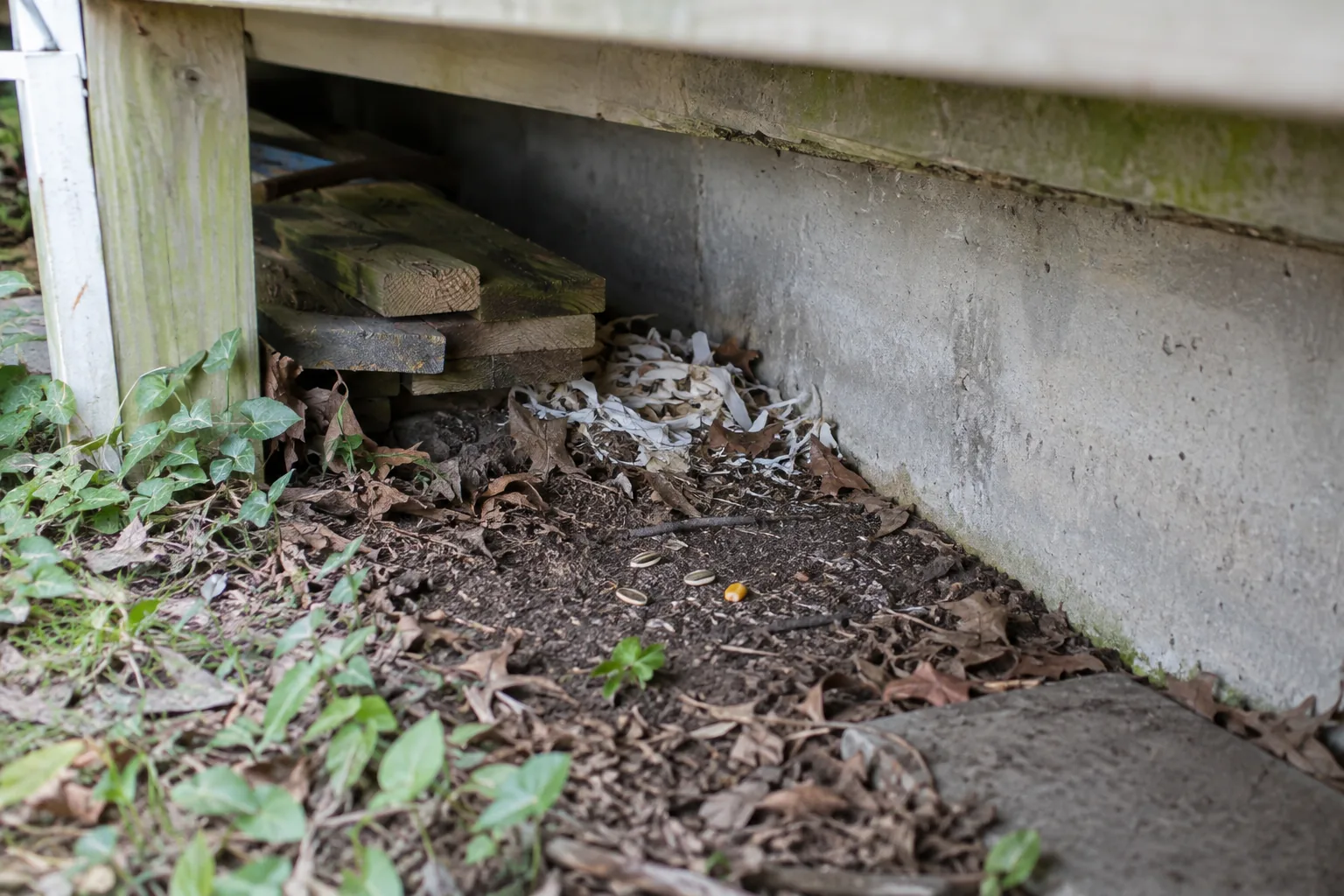
Homes and urban properties can provide many of the resources rats need.
Food
Rats may feed on:
- garbage
- pet food
- bird seed
- fallen fruit
- livestock feed
- spilled grain
- stored food
Water
Possible sources include:
- plumbing leaks
- pet bowls
- irrigation
- standing water
- crawl-space moisture
Shelter
Rats may nest in:
- crawl spaces
- under decks
- dense vegetation
- wall voids
- attic areas
- stored materials
- burrows beside structures
When those resources are close together, reproduction becomes easier.
Norway Rat Reproduction
Norway rats are strongly associated with:
- ground-level routes
- basements
- crawl spaces
- foundations
- burrows
- garbage areas
They typically have a pregnancy of about three weeks.
Litters are often relatively large.
A sheltered burrow or building interior can support repeated breeding if food and water remain available.
See Norway Rat: Identification, Signs & Control.
Roof Rat Reproduction
Roof rats are more often associated with:
- attics
- rooflines
- trees
- fences
- elevated travel routes
They also have a short pregnancy of roughly three weeks.
Litters are usually several pups, often somewhat smaller than Norway-rat litters.
See Roof Rat: Identification, Signs & Control.
Does One Male and One Female Rat Mean You Will Have Hundreds?
Not necessarily.
This is where simplified reproduction calculators can become misleading.
They often assume:
- every pup survives
- every female reproduces
- every litter is large
- pregnancies happen continuously
- food is unlimited
- shelter is unlimited
- no rats leave
- no rats die
- no control occurs
Those assumptions are not realistic for an actual property.
Rat populations can grow quickly.
But theoretical maximum growth is not the same thing as a real infestation forecast.
Why “One Pair Becomes Thousands” Is Misleading
Exponential examples are useful for demonstrating biological potential.
They are poor tools for estimating how many rats are on a property.
They usually ignore:
- mortality
- sex ratio
- food limits
- nest availability
- disease
- predators
- competition
- dispersal
- trapping
- exclusion
- weather
If you find rat activity, inspect the actual evidence instead of relying on a calculator.
How Many Rats Can One Female Produce?
There is no single reliable lifetime number for every female.
A rat may produce several litters under favorable conditions.
But lifetime reproductive output depends on:
- survival
- age
- nutrition
- climate
- stress
- competition
- access to mates
- control efforts
A property should not be evaluated by multiplying one assumed litter size by an assumed number of pregnancies.
Does Finding Baby Rats Mean They Are Breeding Nearby?
Very young rat pups do not travel far from the nest.
Finding newborn or very young rats strongly suggests breeding occurred nearby.
A nest may be located in:
- a burrow
- crawl-space insulation
- wall voids
- attic material
- stored debris
- sheltered exterior cover
See Baby Rats: What Young Rats Look Like for age and identification clues.
Do not tear into unsafe walls, attics, or crawl spaces just to find the nest.
What Do Newborn Rat Pups Look Like?
Newborn rat pups are:
- very small
- pinkish
- hairless or nearly hairless
- eyes closed
- dependent on the mother
They develop quickly during the first few weeks.
This page focuses on reproduction speed rather than a complete life-cycle timeline.
How Quickly Do Young Rats Grow?
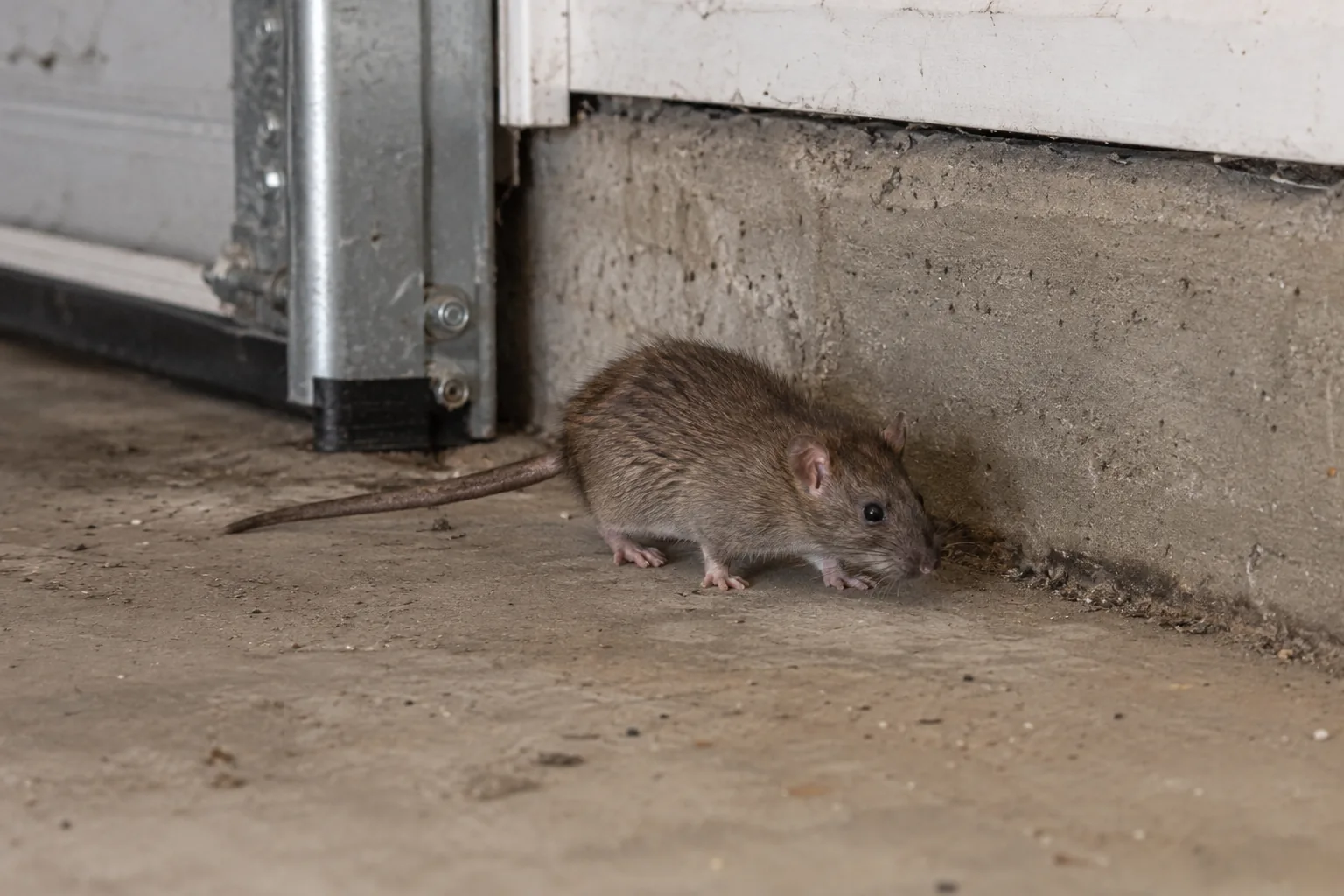
Rat pups develop rapidly.
During the first several weeks they:
- gain fur
- open their eyes
- become mobile
- leave the nest for short periods
- begin eating solid food
After weaning, juveniles become increasingly independent.
Within a few more weeks, they may approach reproductive maturity.
Can Several Generations Live on the Same Property?
Yes.
An established rat population may contain:
- adult males
- adult females
- juveniles
- dependent pups
They may not all occupy one nest or burrow.
Several nesting areas can exist around the same property.
Does Finding a Rat Nest Prove a Large Infestation?
No.
A nest confirms that rats used that location.
It does not provide an exact population count.
A nest may be:
- active
- abandoned
- used by one female
- part of a larger route network
See Rat Nests: What They Look Like & Where to Find Them.
Do Different-Sized Rat Droppings Show Different Ages?
Not reliably.
Dropping size varies with:
- species
- age
- diet
- moisture
- degradation
Different sizes may add context.
They do not provide a dependable age breakdown or exact population count.
See Rat Droppings: What They Look Like & Where to Find Them.
Do Burrows Mean Rats Are Reproducing?
Not necessarily.
A burrow may be used for:
- nesting
- shelter
- travel
- temporary refuge
Fresh soil, tracks, droppings, and repeated activity can help show whether a burrow is active.
A burrow alone does not reveal:
- exact rat count
- litter size
- whether pups are present
Can One Rat Start an Infestation?
One rat does not automatically mean a breeding population.
The animal may be:
- alone
- one of several
- male
- female
- pregnant
- juvenile
You usually cannot know from one sighting.
Repeated evidence matters more.
Does a Pregnant Rat Mean the Population Will Grow Quickly?
A pregnant female can produce a litter within roughly three weeks.
That makes prompt inspection sensible.
But you should still avoid guessing the total population.
The practical goal is to identify:
- active routes
- nest areas
- food
- water
- entry points
and control the conditions that support continued reproduction.
How Can You Tell If Rats Are Reproducing on the Property?
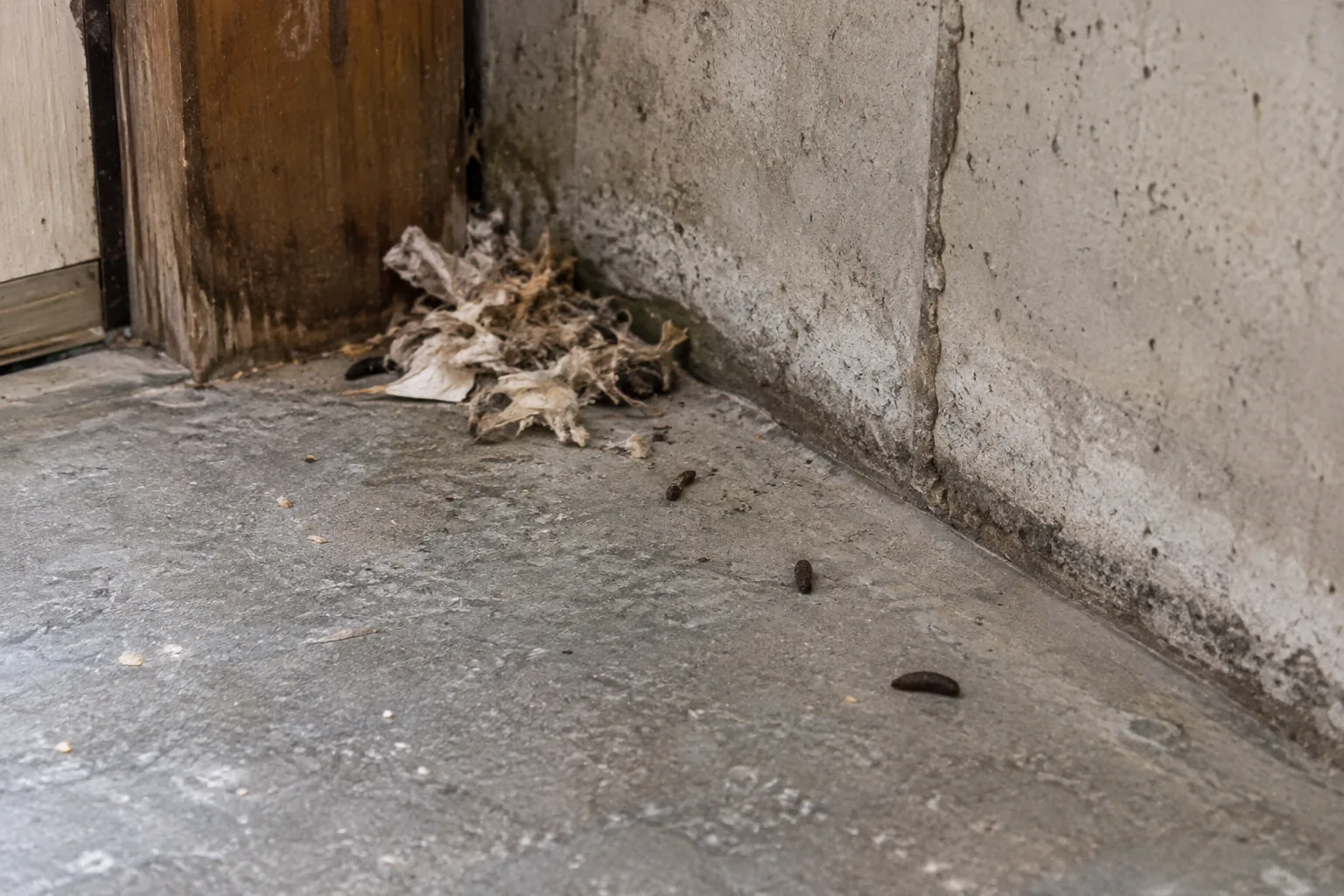
Possible clues include:
- very young rats
- active nesting material
- repeated juvenile sightings
- fresh droppings in several areas
- recurring burrow activity
- new gnaw damage
- continued activity over several weeks
No single clue provides a precise population count.
The pattern matters.
See Signs of Rats in the House.
Do Daytime Rat Sightings Mean Rapid Reproduction?
Not necessarily.
A rat seen during the day may be active because of:
- disturbance
- food availability
- competition
- nesting behavior
- route changes
Daytime sightings can occur in established populations.
They do not measure reproductive rate directly.
See Seeing a Rat During the Day: What It Means.
Why Rat Reproduction Matters for Control
Fast reproduction changes the goal.
You do not want to remove one visible rat while leaving:
- food
- water
- shelter
- active burrows
- nesting areas
- entry points
A complete plan usually combines:
- active removal
- sanitation
- exclusion
- monitoring
Does Catching One Rat Stop Reproduction?
Not necessarily.
Removing one rat may help.
But if other rats remain, breeding can continue.
A single catch should not automatically end the control program.
Follow-up matters.
How Quickly Should You Act After Finding Rats?
Prompt action is useful because a small problem is usually easier to address than a larger established one.
Useful first steps include:
- note where rats were seen
- inspect for fresh droppings
- secure garbage
- protect pet food and bird seed
- inspect likely travel routes
- identify accessible entry points
- monitor suspected burrows safely
See How to Get Rid of Rats for the full control process.
Does Removing Food Stop Rat Reproduction?
Reducing food can make a property less supportive.
But sanitation alone does not remove an established population.
Rats may still use:
- neighboring food
- garbage
- hidden pet food
- outdoor feed
- fallen fruit
Food control should support trapping and exclusion.
Does Removing Water Matter?
Yes.
Reliable water can support rat activity.
Fix accessible leaks and reduce unnecessary standing water where practical.
Do not create unsafe conditions around plumbing or electrical systems.
Does Sealing Entry Points Stop Rat Reproduction?
Exclusion can stop new rats from entering a structure.
But timing matters.
Do not blindly seal active rats inside.
A practical sequence may involve:
- identifying active routes
- controlling rats already inside
- closing entry points
- monitoring afterward
See Rat Entry Points: Where Rats Get In and Rat-Proofing a House.
What About Rats Breeding Outside the House?
Rats may breed in outdoor shelter and then move toward buildings.
Possible areas include:
- burrows
- under decks
- dense vegetation
- sheds
- garbage areas
That is why exterior pressure can continue even after indoor rats are removed.
See Rats in the Yard and Rats Under a Deck.
How Fast Can a Rat Problem Return After Treatment?
If exterior rats remain and entry points stay open, new rats may enter after the original animals are removed.
That can look like the same infestation returning.
Long-term prevention requires:
- sanitation
- exclusion
- monitoring
- maintenance
Reproduction inside the building is only one part of the problem.
When Should You Call a Professional?
Professional help may make sense when:
- rats keep returning
- several areas show fresh evidence
- crawl spaces or attics are involved
- exterior burrows are active
- entry points are unclear
- DIY trapping is not reducing activity
- children, pets, or wildlife complicate safe device placement
See Professional Rat Control: Methods & What to Expect.
How Does a Professional Evaluate a Growing Rat Population?
A technician usually does not calculate a theoretical population.
Instead, they may evaluate:
- fresh droppings
- tracks
- trap activity
- sightings
- burrows
- nesting evidence
- food and water
- interior and exterior routes
- changes between visits
That produces a more useful control plan than reproduction math alone.
What Should You Do If You Find a Rat Nest?
Avoid disturbing contaminated nesting material dry.
Keep children and pets away.
If the area is accessible and safe, use appropriate wet-cleanup methods when cleanup is ready to begin.
If active rats are still present, control and inspection may need to come first.
How Fast Do Rats Reproduce? The Bottom Line
Rats reproduce quickly.
For common commensal rats:
- pregnancy lasts about 21–24 days
- litters usually contain several pups
- Norway-rat litters are often around 6–12
- young rats may become reproductively mature in roughly two to three months
Rats living around warm, sheltered structures can breed repeatedly when food, water, and nesting space remain available.
That does not mean every rat population grows at the biological maximum.
Real population growth is affected by:
- mortality
- food
- water
- shelter
- competition
- predators
- disease
- dispersal
- weather
- control efforts
The practical lesson is not to calculate a theoretical population.
If you find recurring rat evidence, inspect the active routes, reduce food and water, control rats already present, address burrows and exterior pressure safely, close entry points at the right time, and continue monitoring.
Continue with our Norway rat guide, roof rat guide, baby rat guide, rat nest guide, how to get rid of rats guide, or professional rat control guide.