Rat Season: When Rat Problems Get Worse
There is no single nationwide “rat season.”
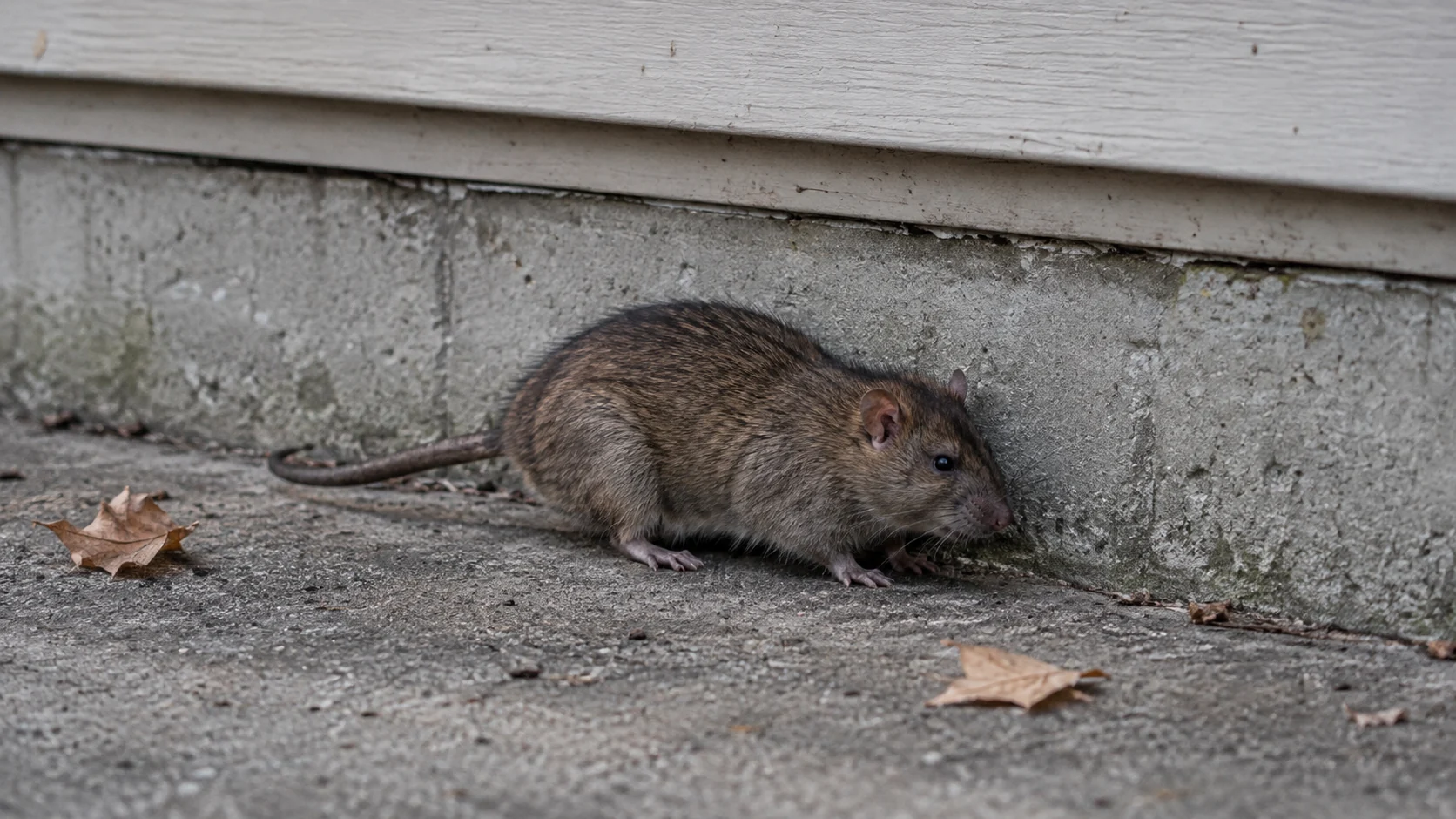
There is no single nationwide “rat season.”
Norway rats and roof rats can remain active throughout the year when they have access to:
- food
- water
- shelter
- nesting areas
But rat pressure around homes often changes with the seasons.
In many parts of the United States, homeowners notice more indoor or near-building activity during fall and early winter as:
- temperatures drop
- outdoor cover changes
- food sources shift
- rats look for more stable shelter
In warm climates, seasonal patterns may be less tied to cold weather.
Heavy rain, drought, landscaping, construction, harvest, garbage changes, and vegetation can all change where rats travel.
The practical lesson is simple:
Rat problems can worsen at different times for different reasons.
Seasonality matters, but the property’s food, water, shelter, and entry points matter more.
What Is Rat Season?
“Rat season” is an informal term for times of year when rat activity becomes more noticeable.
That may mean:
- more sightings
- fresh droppings
- new burrows
- scratching
- garage activity
- crawl-space activity
- attic activity
- increased station or trap activity
The timing depends on:
- climate
- rat species
- food
- water
- shelter
- neighborhood conditions
There is no official national start or end date.
When Are Rat Problems Usually Worse?
In many cooler U.S. regions, rat pressure around buildings may become more noticeable during:
- late summer
- fall
- early winter
This can happen when outdoor conditions change.
But some properties have strong rat activity in:
- spring
- summer
- wet seasons
- dry seasons
- year-round urban conditions
A restaurant alley with constant food and water can support rats in every season.
So can a residential property with:
- open garbage
- bird seed
- pet food
- dense cover
- accessible crawl-space shelter
Is Fall the Main Rat Season?
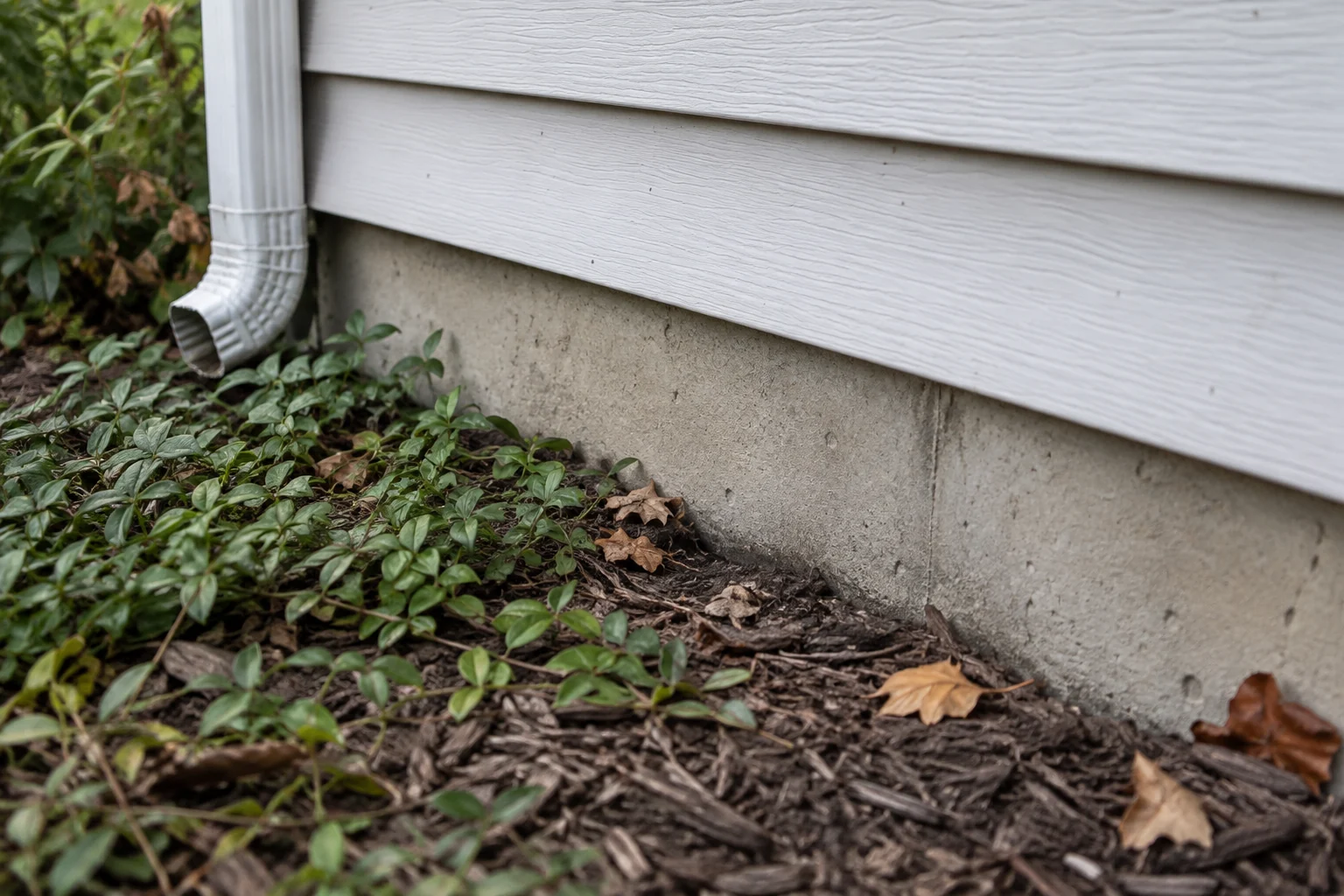
Fall is important in many regions.
Several environmental changes happen at the same time.
Cooler nights
Sheltered structures become more attractive.
Vegetation changes
Outdoor cover may thin.
Food patterns change
Natural foods may become less predictable.
Yard and storage changes
Homeowners move:
- firewood
- boxes
- garden supplies
- equipment
That can disturb rat shelter and travel routes.
Harvest and seasonal cleanup
Agricultural and landscaping activity can change local food and cover.
These changes can shift rats toward new routes.
Does Rat Season Start on a Specific Date?
No.
There is no date when rats suddenly begin entering homes nationwide.
Seasonal pressure depends on:
- local weather
- climate zone
- food availability
- building condition
- species
- neighborhood habitat
Northern states may experience strong cold-weather movement earlier than southern states.
Warm regions may have significant activity all year.
Is There a Temperature That Makes Rats Enter Houses?
No single temperature automatically causes rats to enter a home.
Rats respond to several factors at once.
They may move because of:
- shelter
- food
- water
- disturbance
- competition
- weather
A cold night can increase pressure around some buildings.
It does not create an infestation by itself.
Do Rats Come Inside When It Gets Cold?
They can.
Buildings may offer:
- stable temperature
- dry shelter
- food
- water
- nesting space
Norway rats may move into:
- basements
- crawl spaces
- garages
- wall voids
Roof rats may use:
- attics
- rooflines
- upper wall routes
But rats can enter structures during any season.
Cold weather is only one reason.
Do Rats Hibernate?
No.
Norway rats and roof rats do not hibernate.
They remain active.
Indoors or in protected outdoor shelter, they may continue:
- feeding
- traveling
- nesting
- reproducing
through winter.
A cold season does not make an established population disappear.
Can Rats Reproduce During Winter?
Yes.
Rats living in protected conditions can reproduce during winter if they have:
- food
- water
- shelter
- suitable nesting areas
See How Fast Do Rats Reproduce? for the reproductive timeline.
Outdoor reproductive pressure may vary with climate and resources.
Indoor breeding can continue when conditions remain favorable.
Are Rats More Common Indoors in Winter?
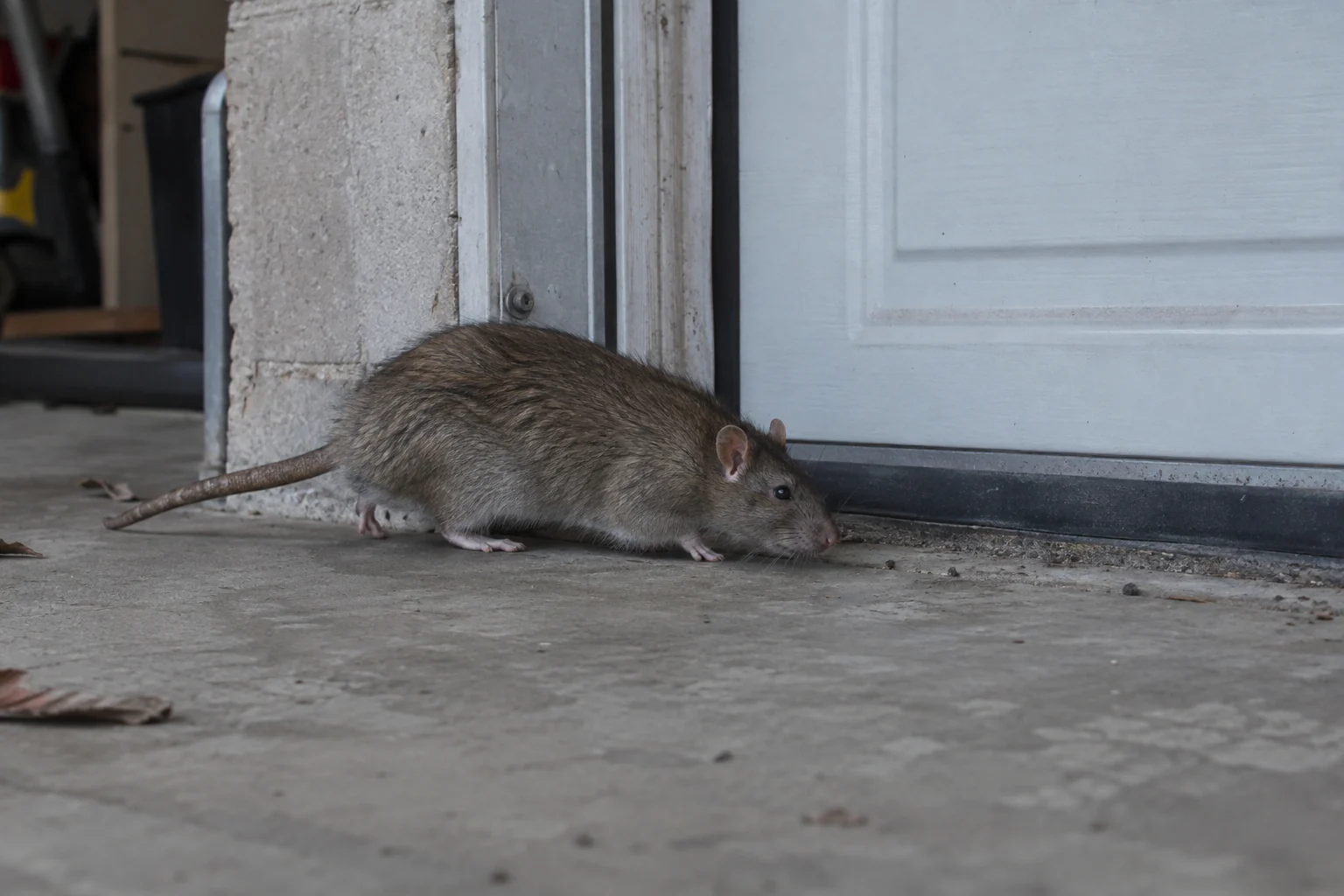
Indoor activity may become more noticeable during winter.
Possible reasons include:
- rats moved closer to buildings during fall
- indoor shelter became more valuable
- outdoor food became less reliable
- homeowners notice scratching more in quiet indoor periods
But a winter sighting does not prove that the rat entered recently.
It may already have been using the building.
Can Rats Stay Around a Property All Year?
Yes.
A property may provide year-round resources.
Examples include:
- garbage
- bird seed
- pet food
- fallen fruit
- livestock feed
- irrigation
- leaking plumbing
- crawl spaces
- decks
- sheds
- dense landscaping
In urban areas, rats may have reliable resources through every season.
That is why “rat season” is not a universal on/off cycle.
What Happens in Spring?
Spring can increase outdoor food, cover, and nesting opportunities.
Vegetation returns.
Insects and other food sources may increase.
Landscaping activity may also disturb existing shelter.
Rats may shift routes as:
- yards become active
- vegetation grows
- drainage patterns change
- construction resumes
Spring can be a good time to inspect the exterior after winter damage.
Are Rats Active in Summer?
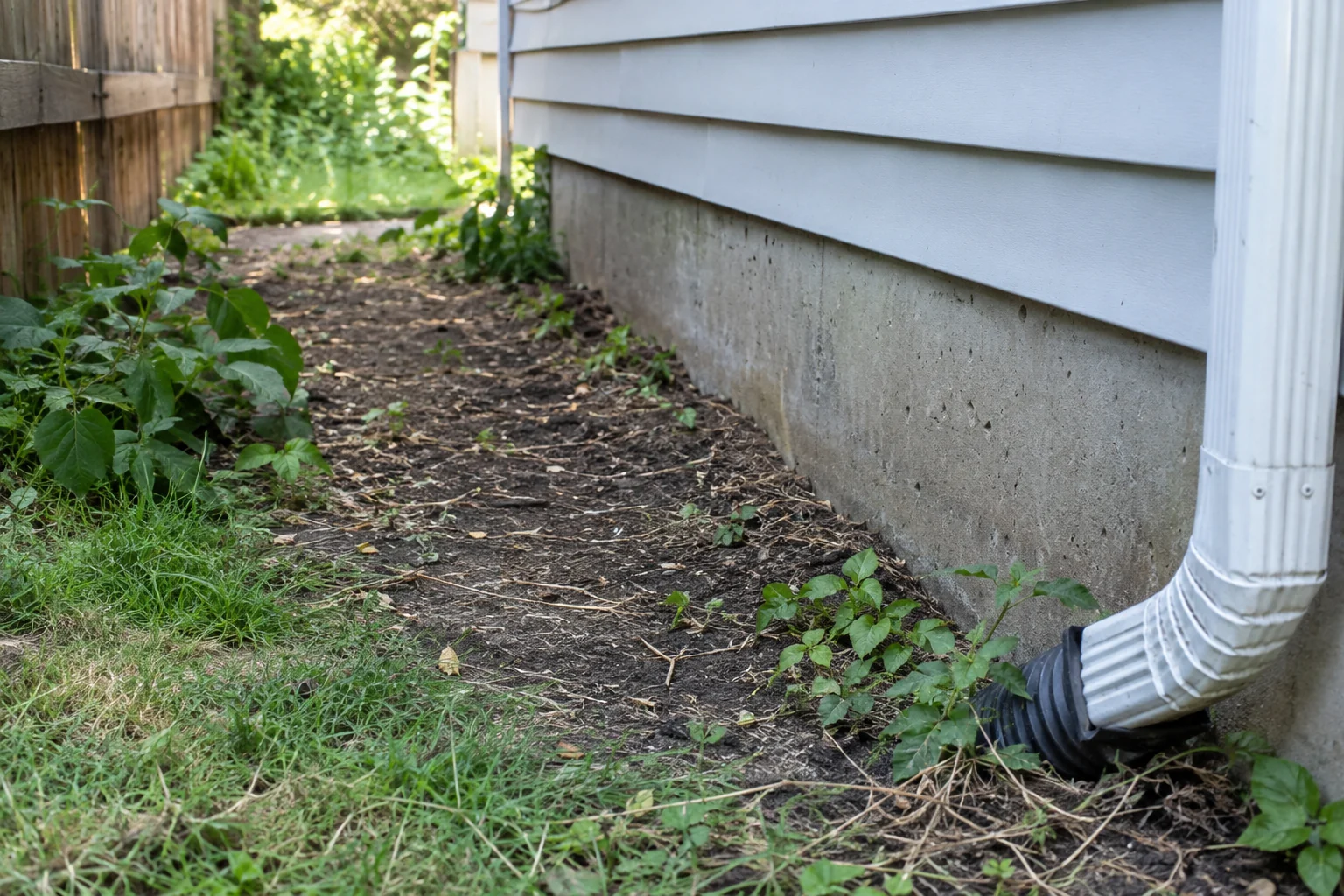
Yes.
Rats remain active in summer.
Warm months may support:
- reproduction
- outdoor feeding
- vegetation cover
- burrow activity
Summer may also create stress.
Heat and drought can change:
- water availability
- food
- shelter
That can push rats toward irrigated yards, buildings, and other reliable resources.
Why Late Summer Can Matter
Late summer can be a transition period.
Rat populations may be active outdoors.
Juveniles may disperse.
Food may be abundant in some areas.
Then seasonal changes begin.
This can increase movement along:
- fences
- foundations
- decks
- utility corridors
- alleys
Late summer is a useful time for preventive inspection before fall.
Does Rat Season Differ by Region?
Yes.
The United States has major climate differences.
Cold northern regions
Fall and winter shelter-seeking may be pronounced.
Mild coastal regions
Rat activity may remain strong for much of the year.
Hot southern regions
Heat, moisture, irrigation, landscaping, and year-round food may matter more than cold.
Dry regions
Water availability can strongly influence movement.
Humid regions
Vegetation and sheltered outdoor habitat may stay available longer.
Local conditions matter more than a national calendar.
Norway Rat Seasonality
Norway rats commonly use:
- ground-level routes
- burrows
- basements
- crawl spaces
- foundations
- garbage areas
Seasonal changes that may affect them include:
- soil moisture
- flooding
- freezing
- outdoor food
- yard disturbance
- construction
See Norway Rat: Identification, Signs & Control.
Roof Rat Seasonality
Roof rats commonly use:
- trees
- rooflines
- fences
- attics
- upper wall routes
- dense vegetation
Seasonal vegetation and fruiting can affect:
- food
- cover
- travel routes
Roof rats may remain especially active year-round in warm climates.
See Roof Rat: Identification, Signs & Control.
Does Rain Change Rat Activity?
It can.
Heavy rain can affect:
- burrows
- drainage
- travel paths
- outdoor shelter
Flooding may force some rats to move.
But one rain event does not automatically cause rats to enter a house.
The building still needs an accessible route.
Can Flooding Push Rats Toward Buildings?
Yes, in some situations.
Water can disturb:
- burrows
- ground shelter
- low-lying travel routes
Rats may seek:
- higher ground
- dry shelter
- protected structures
Avoid unsafe entry into flooded crawl spaces or basements.
Do not improvise burrow control using water.
Does Drought Affect Rat Activity?
It can.
Drought may reduce:
- natural water
- vegetation
- some food sources
Rats may concentrate around:
- irrigation
- pet water
- leaking plumbing
- garbage areas
- buildings
But drought does not create a predictable infestation pattern for every property.
Do Storms Cause Rat Infestations?
Not by themselves.
Storms may disrupt:
- nests
- burrows
- vegetation
- stored materials
That can change rat movement.
But a building still needs:
- an entry route
- food
- water
- shelter
A storm may reveal an existing vulnerability rather than create one.
Does Construction Affect Rat Season?
Construction can change local rat routes at any time of year.
Demolition, excavation, grading, or building work may disturb:
- burrows
- shelters
- feeding areas
- travel routes
Rats may move to nearby properties.
That does not mean every construction project causes a rat problem.
Can Landscaping Change Rat Activity?
Yes.
Landscaping can add or remove:
- cover
- food
- nesting areas
Dense vegetation near the structure may support sheltered travel.
Trimming or removal can shift movement.
Fallen fruit, seed, and irrigation can also affect rat pressure.
Why Yards Can Become More Active Seasonally
Yards may provide:
- fruit
- seed
- pet food
- garbage
- water
- dense cover
Seasonal vegetation and food can change rat activity.
See Rats in the Yard.
A yard with recurring rat signs deserves inspection even if no rats are seen indoors.
Why Decks Matter
Decks can provide:
- shelter
- shade
- protected travel
- nesting opportunities
Seasonal clutter or food use around decks can increase attraction.
See Rats Under a Deck.
Do not crawl into unsafe low-clearance spaces.
Why Garages Can Become Active in Fall
Garages connect indoor and outdoor space.
Rats may use:
- door corners
- stored materials
- pet food
- seed
- wall edges
- utility penetrations
Seasonal storage changes can also disturb shelter.
See Rats in the Garage.
Why Basements Can Become Active in Cool Weather
Basements provide:
- stable temperature
- foundation routes
- utility openings
- wall-edge travel
Norway rats using ground-level exterior routes may find basement access.
See Rats in the Basement.
Why Crawl Spaces Matter During Rat Season
Crawl spaces can provide:
- shelter
- foundation access
- insulation
- plumbing routes
- moisture
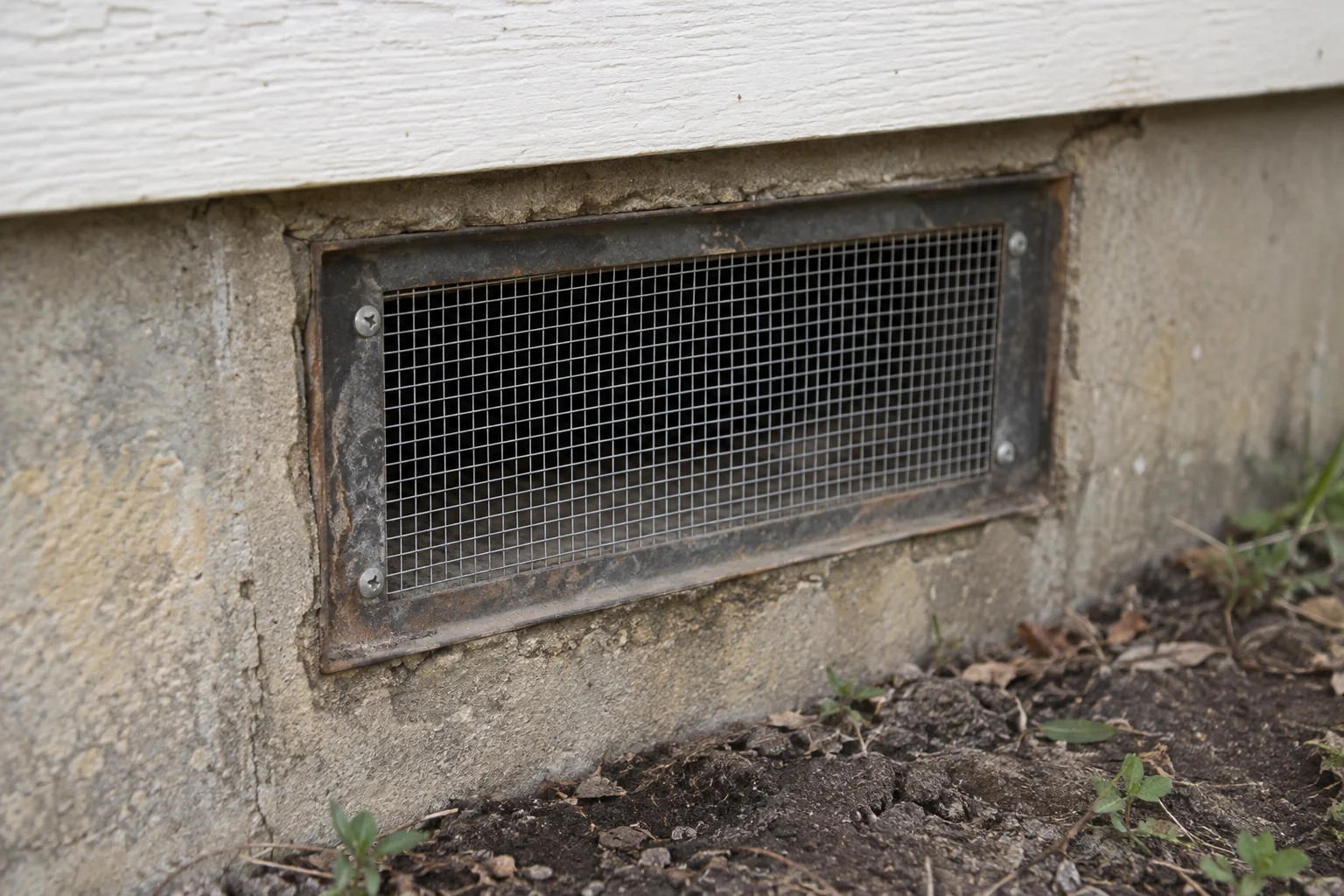
Damaged vents and access doors can create entry opportunities.
Do not enter wet, unstable, heavily contaminated, or electrically hazardous crawl spaces.
Why Attics Can Become Active
Roof rats may reach attics through:
- trees
- rooflines
- soffits
- vents
- wall routes
Attics provide protected shelter.
See Rats in the Attic.
An attic sighting does not prove the rat entered through the roof that day.
Does Seeing One Rat in Fall Mean There Are More?
Not automatically.
One rat may be:
- newly arrived
- part of an existing population
- a juvenile
- an adult
The sighting alone does not reveal population size.
Look for fresh evidence.
See Signs of Rats in the House.
What Signs Matter During Rat Season?
Useful signs include:
- fresh droppings
- gnawing
- tracks
- rub marks
- scratching
- burrows
- nesting material
- repeated sightings
Fresh evidence matters more than old debris.
See Rat Droppings and Rat Nests.
Do More Droppings in Fall Mean Rats Just Arrived?
No.
Droppings can remain after earlier activity.
A fall inspection may reveal old evidence.
Watch for:
- new deposits
- repeated activity
- fresh gnawing
- current burrow use
Do not estimate rat numbers from droppings.
Does Daytime Rat Activity Increase During Rat Season?
It can become more noticeable.
But daytime activity is not a reliable seasonal population meter.
Rats may be active during the day because of:
- disturbance
- food
- competition
- route changes
- nesting behavior
See Seeing a Rat During the Day.
When Should You Rat-Proof a House?
The best time is before indoor activity becomes established.
Late summer and early fall are useful prevention periods in many climates.
But exclusion can be done in other seasons when:
- repairs are safe
- weather allows
- active rats will not be sealed inside
See Rat-Proofing a House.
What Should You Inspect Before Fall?
Check accessible exterior areas around:
- foundation openings
- crawl-space vents
- garage-door corners
- utility penetrations
- siding transitions
- soffits
- roofline details
- lower doors
See Rat Entry Points: Where Rats Get In.
Focus on real openings.
Do not block drainage, ventilation, or service access.
Why Garage-Door Gaps Matter
Lower garage corners can provide access.
Check for:
- damaged seals
- poor door contact
- corner gaps
- track-area openings
Repairs should preserve:
- normal door operation
- safety sensors
- drainage
Why Crawl-Space Vents Matter
Damaged or missing screens can create routes.
A good repair should:
- resist rodent entry
- remain securely attached
- preserve airflow
Do not block required ventilation.
Why Roofline Gaps Matter for Roof Rats
Roof rats may use elevated routes.
Inspect visible areas for:
- damaged soffits
- vent defects
- fascia gaps
- siding transitions
Do not use unsafe ladders or roofs.
Roof work may require a qualified contractor.
Should You Seal Every Hole Before Winter?
No.
Do not blindly seal active rats inside.
If indoor activity is current:
- identify active routes
- control rats already inside
- close confirmed entry points
- monitor afterward
See How to Keep Rats Out.
What Can Homeowners Do Before Rat Pressure Increases?
Useful preventive steps include:
- secure garbage
- protect pet food
- store bird seed securely
- pick up fallen fruit
- repair accessible leaks
- reduce dense shelter near the structure
- inspect entry points
- repair damaged vents and doors
- keep storage organized
- monitor likely routes
These steps reduce resources that support rats.
Does Yard Cleanup Prevent Rats?
It can reduce shelter.
Useful changes may include:
- removing unnecessary debris
- managing dense vegetation
- organizing stored materials
- cleaning food spills
- controlling fallen fruit
But a clean yard can still have rat pressure from neighboring areas.
Exclusion and monitoring remain important.
Should You Put Rat Traps Out Before Seeing Rats?
Random trap placement is not useful.
Monitoring may make sense on properties with recurring rat problems.
Powerful rat traps should be:
- on active routes
- stable
- retrievable
- protected from children, pets, and wildlife where necessary
See Rat Traps.
What If Rats Return Every Fall?
Recurring seasonal activity often means:
- entry routes remain open
- exterior shelter remains
- food or water remains available
- neighborhood pressure is ongoing
Look for repeated patterns:
- same garage corner
- same crawl-space vent
- same foundation edge
- same roofline route
Recurring activity should trigger a review of exclusion and exterior conditions.
Does a Quiet Summer Mean the Property Is Rat-Proof?
No.
Rat activity can shift with:
- food
- cover
- weather
- breeding
- construction
- neighboring conditions
One quiet period does not prove every entry route is closed.
Continue prevention and monitoring.
When Should You Call a Professional?
Professional help may make sense when:
- rats return seasonally
- several areas show fresh activity
- burrows are active near the structure
- crawl-space or attic activity is involved
- entry points are unclear
- trapping is not reducing activity
- children, pets, or wildlife complicate safe device placement
- exclusion requires roof, structural, electrical, plumbing, or other difficult access
Rat Season: The Bottom Line
Rat activity can occur all year.
In many cooler parts of the United States, fall and early winter can bring more pressure around buildings as rats respond to changes in:
- shelter
- temperature
- food
- vegetation
But there is no universal nationwide rat season.
Norway rats and roof rats respond differently to:
- climate
- habitat
- water
- food
- disturbance
Warm regions may support strong activity throughout the year.
Heavy rain, drought, construction, landscaping, and seasonal food can shift rat movement at any time.
The best approach is to prepare before pressure increases:
- secure food
- reduce water
- inspect shelter
- identify entry points
- repair confirmed openings
- monitor active routes
And remember:
A seasonal increase in sightings may be new movement—or it may reveal a population that was already established.
Continue with our Norway rat guide, roof rat guide, rat entry points guide, rat-proofing guide, signs of rats guide, or professional rat control guide.