How to Keep Rats Out of Your House
Keeping rats out is much easier than removing an established rat problem. The strongest prevention strategy combines closing openings, removing dependable food and water, reducing protected shelter and travel routes, and monitoring for fresh signs.
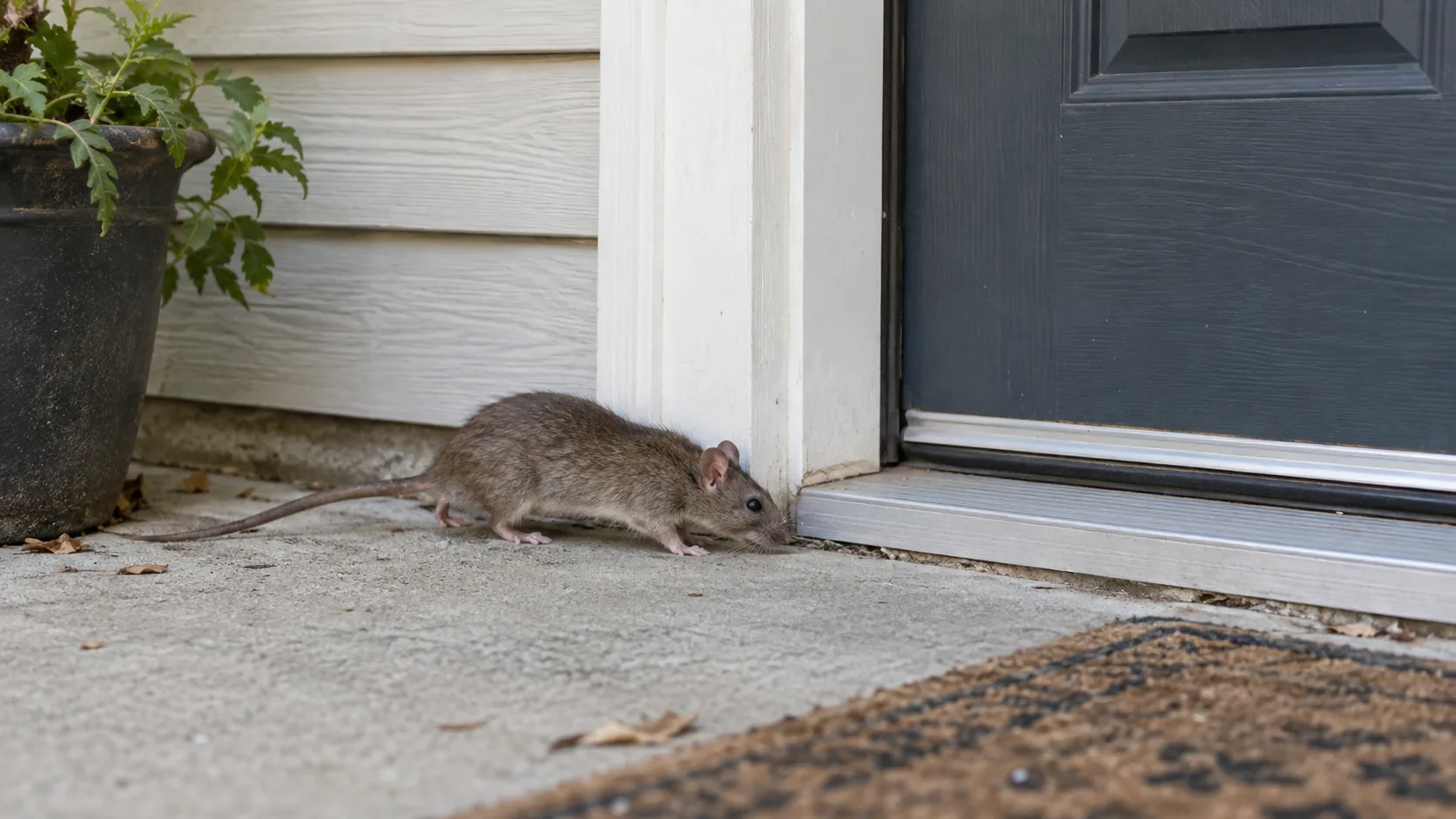
Keeping rats out is much easier than removing an established rat problem.
The strongest prevention strategy is not a smell, electronic device, or one-time cleanup.
It is a combination of four controls:
- close the openings rats can use
- remove dependable food and water
- reduce protected shelter and travel routes
- monitor for fresh signs so problems are caught early
Rats are larger than mice, but they are still capable of using surprisingly small structural openings.
They can also approach a house from:
- yards
- garages
- crawl spaces
- basements
- utility routes
- decks
- porches
- rooflines
That means the best prevention plan has to cover both the building and the property around it.
What Actually Keeps Rats Out?
The most important long-term control is physical exclusion.
That means repairing unnecessary openings that connect rats to:
- crawl spaces
- basements
- garages
- wall cavities
- attics
- utility chases
- living areas
Sanitation supports exclusion, but it does not replace it.
A clean house can still get rats if there is a large garage-door gap or an open foundation penetration.
Likewise, a repaired house may still attract repeated rat pressure if food and shelter remain concentrated around the structure.
See Rodent Exclusion: How to Keep Rats & Mice Out for the broader exclusion strategy.
How Small a Gap Should You Worry About?
For practical inspection, treat openings around 1/2 inch — about 13 millimeters — and larger as potentially rat-accessible.
That is a rule of thumb, not an absolute biological guarantee.
Whether a rat can use a specific opening depends on:
- body size
- opening shape
- the narrowest usable dimension
- whether the edge flexes
- whether the opening widens behind the surface
- whether the material can be gnawed
See How Small a Hole Can a Rat Fit Through?.
Keep Rats Out at the Foundation First
Ground-level building defects are high-value inspection points.
Walk the foundation and look for:
- openings where concrete meets framing
- gaps around utilities
- damaged masonry
- lower-wall defects
- openings beside steps or porches
- crawl-space vent damage
- gaps hidden behind deck or porch edges
Do not assume every surface crack is a rat entry point.
Prioritize defects that:
- connect to usable space
- are large enough to matter
- have rat evidence nearby
See Rat Entry Points: Where to Inspect Your Home.
Watch for Burrow Activity Near the House
Rats may burrow near:
- foundations
- decks
- sheds
- retaining walls
- dense vegetation
- steps
A suspicious hole becomes more meaningful when you also see:
- fresh soil
- a worn route
- rat droppings
- repeated sightings
Not every hole is a rat burrow.
Do not:
- flood it
- smoke it
- burn it
- pour household chemicals into it
- use gasoline or exhaust
- blindly collapse it
If burrow activity appears close to structural supports or difficult spaces, professional help may be appropriate.
Keep Exterior Doors Tight
Check exterior doors for:
- damaged thresholds
- lower-corner gaps
- worn weatherstripping
- damaged trim
- visible daylight
A door can appear closed while still leaving a rat-accessible corner.
Repairs should preserve:
- smooth operation
- safe egress
- fire-rated function where applicable
Keep Rats Out Through the Garage
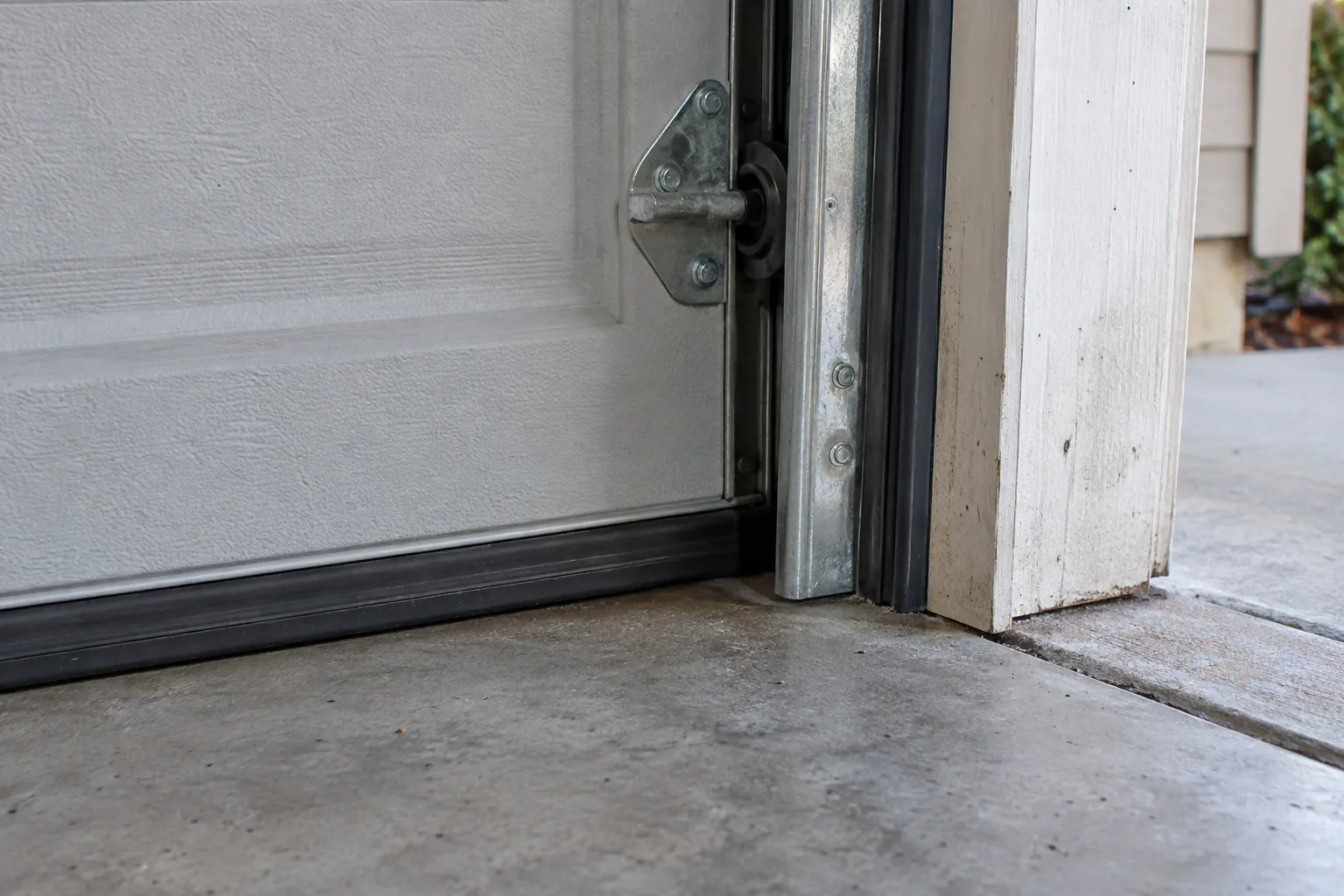
Garages are common weak points.
Inspect:
- bottom garage-door seal
- side seals
- lower corners
- jamb-to-slab transitions
- utility penetrations
- the wall shared with the house
Look for:
- rat droppings
- tracks
- rub marks
- gnawing
See Rats in the Garage: Entry Points, Nests & Control.
Store Garage Food and Feed Securely
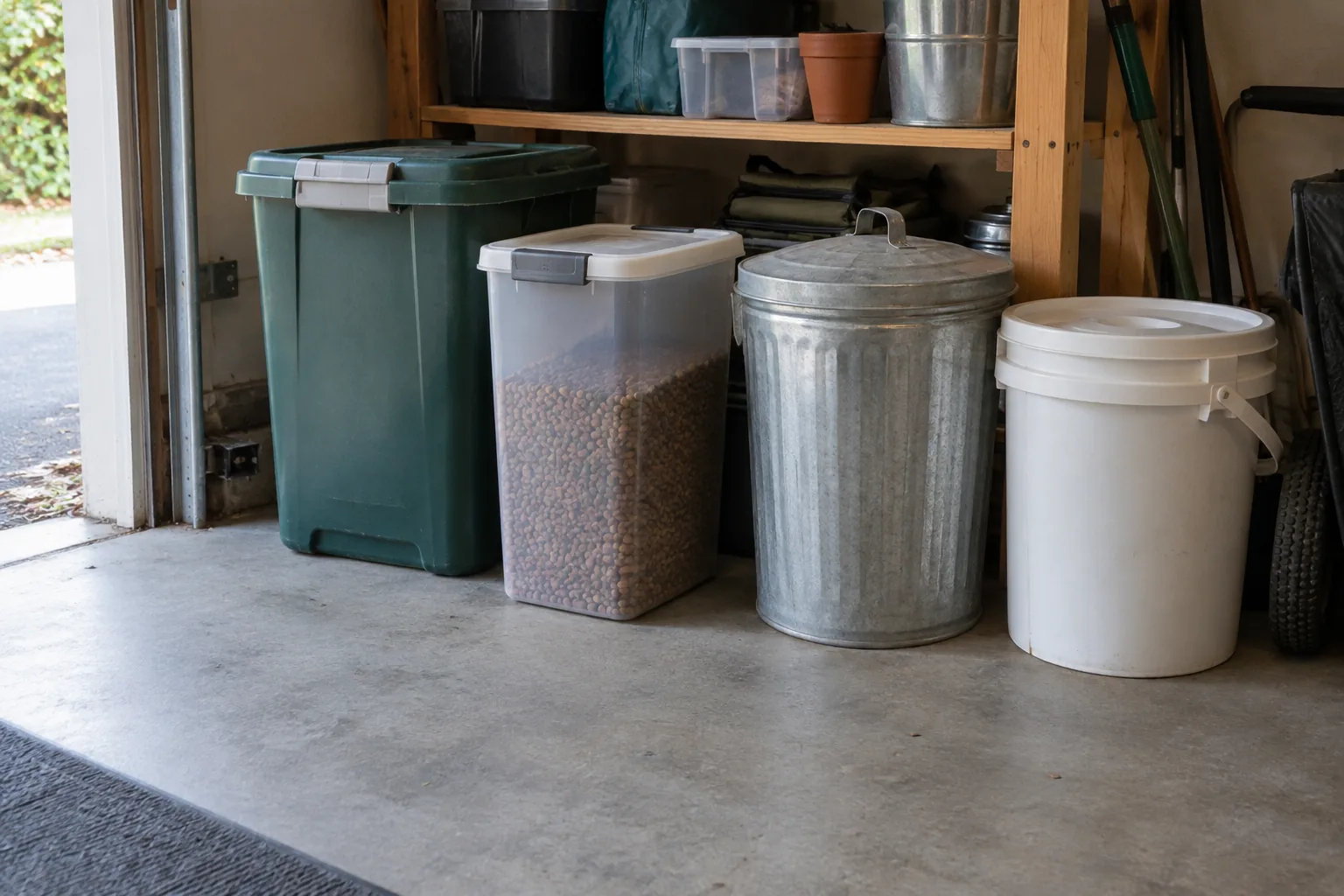
Common garage attractants include:
- pet food
- bird seed
- grass seed
- livestock feed
- stored snacks
- open garbage
Use sturdy closed containers when practical.
Clean repeated spills.
A paper or thin plastic bag is not a reliable rat barrier.
Inspect Utility Penetrations
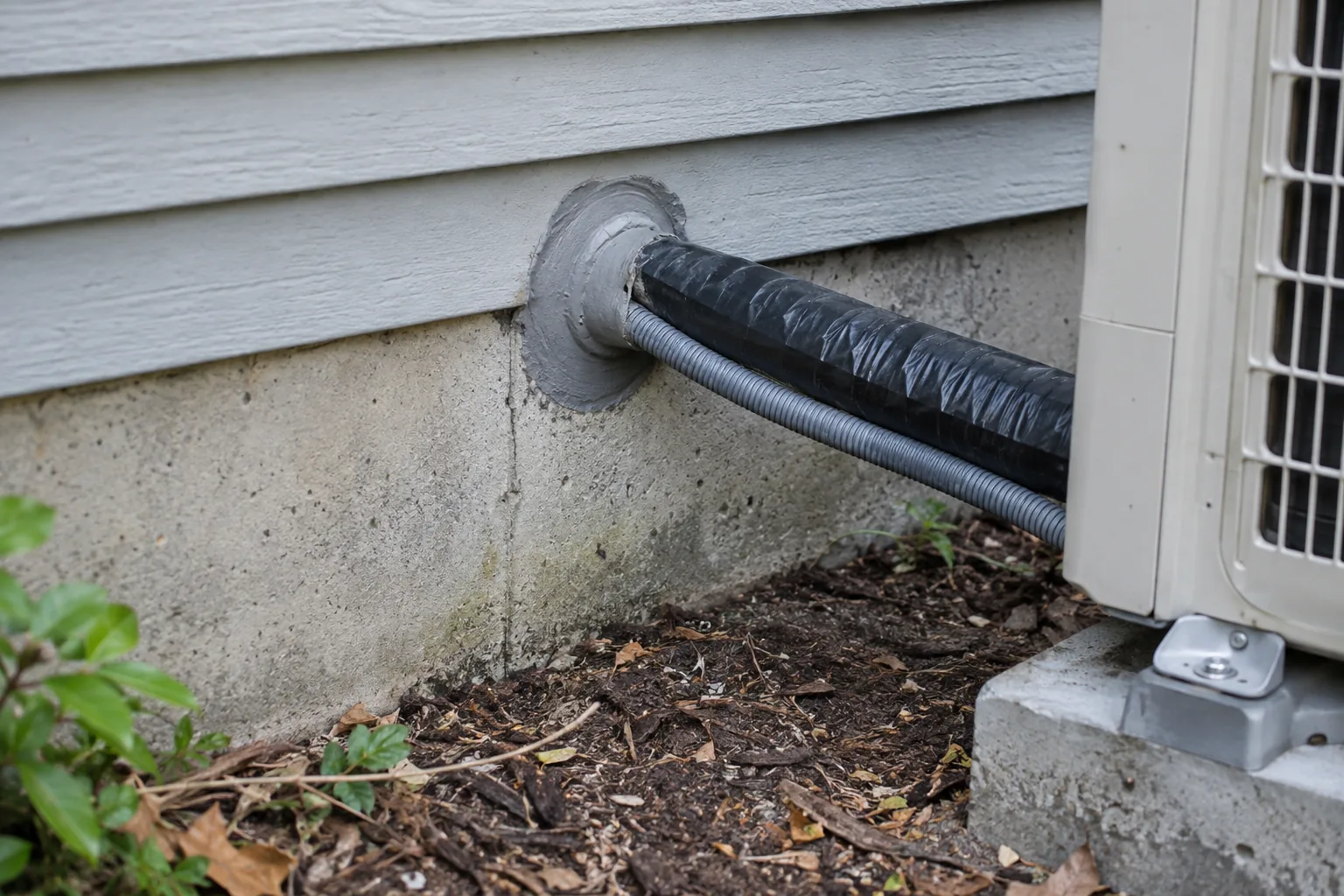
Rat routes often develop around:
- water pipes
- drain lines
- electrical conduit
- cable
- internet lines
- HVAC line sets
- condensate tubing
The rat usually uses the extra structural space around the service.
Do not:
- bend pipes
- cover shutoff valves
- block drainage
- pack conductive material into electrical equipment
- crush HVAC insulation
Use a qualified trade when the repair involves energized wiring, gas equipment, active HVAC components, or leaking plumbing.
Protect Crawl-Space Openings
Inspect crawl-space vents for:
- torn screening
- missing mesh
- loose frames
- perimeter gaps
Inspect access doors for:
- bottom gaps
- failed latches
- damaged edges
Do not block required ventilation.
Do not enter a crawl space that is:
- wet
- unstable
- heavily contaminated
- electrically hazardous
- too tight for safe movement
See Rats in the Crawl Space: Signs & Removal.
Check Basement Openings
Basements can connect directly to:
- wall cavities
- floor systems
- utility chases
- exterior ground-level routes
Inspect:
- windows
- window wells
- exterior doors
- thresholds
- pipe penetrations
- foundation transitions
See Rats in the Basement: Why They’re There & What to Do.
Keep Roofline Openings in Good Repair
Some rats can reach upper parts of a house by using:
- trees
- fences
- rough walls
- utility routes
- connected structures
Inspect from a safe position for:
- loose soffits
- fascia gaps
- torn attic-vent screens
- roof-to-wall openings
Do not identify a rat species from entry location alone.
Do not block attic ventilation.
See Rats in the Attic: Signs, Damage & Removal.
Do Not Block Functional Building Openings
Rat prevention should not disable the house.
Do not block:
- dryer exhaust
- HVAC supply vents
- HVAC return grilles
- combustion-air openings
- attic ventilation
- required crawl-space ventilation
- intentional drainage or weep openings
- plumbing drains
- service panels
The repair should close unnecessary structural space while preserving the system’s function.
Secure Garbage
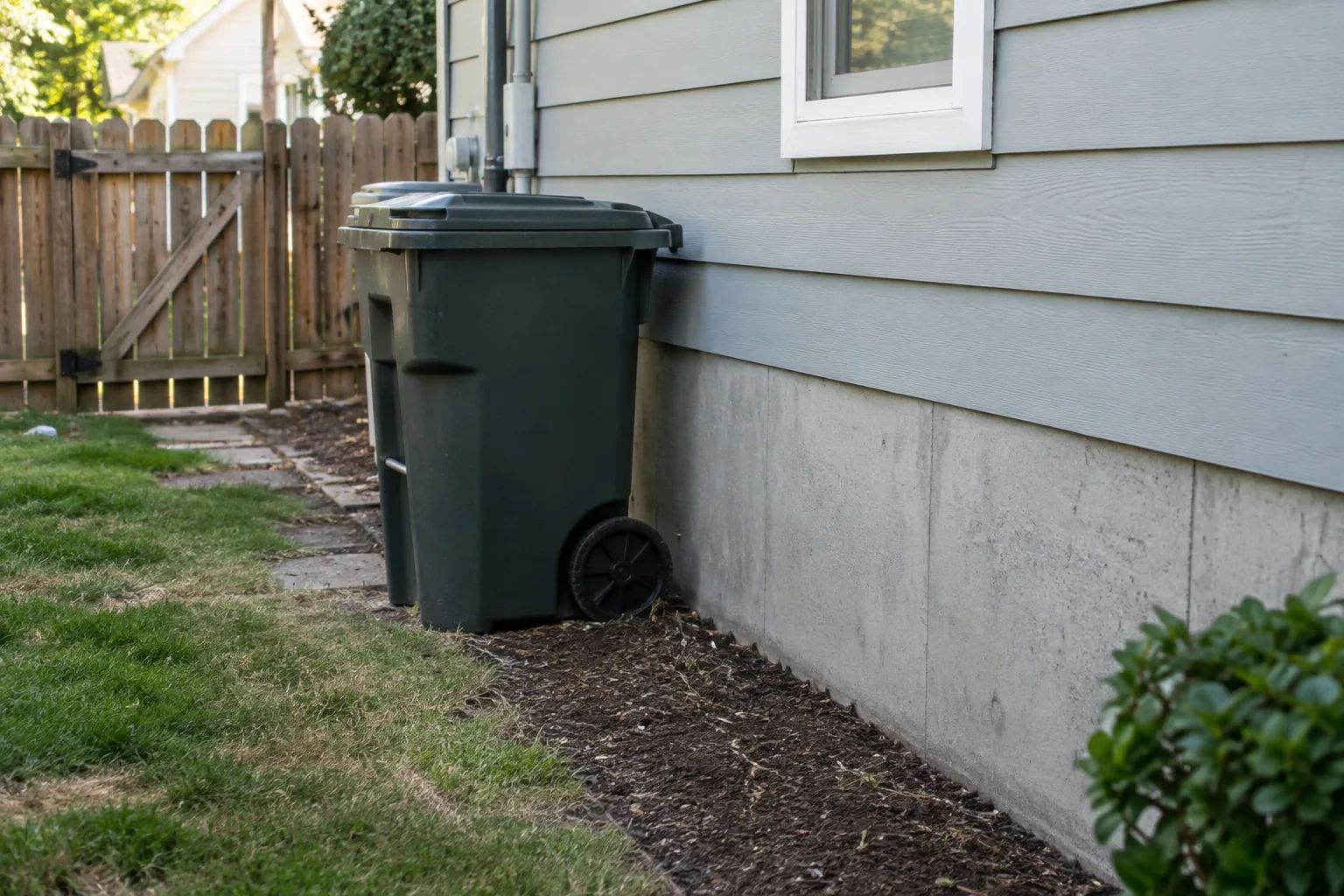
Garbage is one of the most important outdoor rat food sources.
Use containers with functioning lids where practical.
Clean food residue around:
- outdoor cans
- recycling
- garage trash
- food-waste areas
Do not leave bags of food waste exposed beside the structure.
Manage Pet Food
Pet food can support repeated rat activity.
If practical:
- feed on a schedule
- remove leftovers
- clean spilled kibble
- store bulk food in sturdy containers
Keep bulk bags off known travel routes.
Manage Bird Seed
Bird seed can attract rats around:
- feeders
- garages
- porches
- sheds
Store seed in a sturdy closed container.
Clean repeated ground spills.
If a feeder produces a persistent food layer near the house, change:
- placement
- feeder type
- cleanup routine
Pick Up Fallen Fruit and Garden Produce
Fruit trees and gardens can create dependable food.
Pick up:
- fallen fruit
- damaged produce
- overripe vegetables
especially near:
- foundations
- decks
- sheds
- dense cover
You do not need to remove a garden.
The goal is to avoid leaving concentrated food on the ground.
Reduce Dense Cover Near the House
Rats prefer protected travel routes.
Inspect:
- weeds
- dense ground cover
- stacked materials
- unused items
- clutter beside walls
Keep foundation edges visible enough to inspect.
The goal is not to strip the yard bare.
It is to reduce hidden travel corridors that connect food, shelter, and entry points.
Keep Deck and Porch Areas Inspectable
Decks and porches can hide:
- burrows
- foundation openings
- utility penetrations
- lower-wall damage
Inspect from safe perimeter positions.
Do not crawl under low, wet, unstable, contaminated, or electrically hazardous spaces.
See Rats Under a Deck: Signs, Burrows & What to Do and Rats Under the House: Causes, Entry Points & Removal.
Keep Kitchen Food Inaccessible
Kitchens provide:
- food
- grease
- water
- cover
Protect:
- cereal
- rice
- pasta
- flour
- snacks
- pet food
- other dry goods
Clean:
- crumbs
- grease
- damaged food packages
- food behind accessible appliances
See Rats in the Kitchen: Why They’re There & What to Do.
Fix Avoidable Water Sources
Rats can use water from:
- leaking pipes
- dripping faucets
- appliance-line leaks
- standing water
- drainage problems
Do not remove necessary pet water.
Fix avoidable leaks and moisture instead.
Reduce Clutter Along Walls
Protected wall edges can become travel routes.
Reduce unnecessary:
- cardboard
- bags
- fabric piles
- stacked storage
especially in:
- garages
- basements
- utility rooms
- storage spaces
Keep wall edges inspectable so droppings, rub marks, and gnawing are easier to notice.
What If You Already Have Rats Inside?
Prevention alone is not enough if rats are currently inside.
Look for:
- fresh droppings
- repeated sightings
- rub marks
- new gnawing
- trap activity
- scratching or thumping
Use monitored rat-sized traps along confirmed accessible routes when appropriate.
Keep powerful traps:
- stable
- retrievable
- inaccessible to children
- inaccessible to pets
See How to Get Rid of Rats and Rat Traps: Types, Placement & How to Use Them.
Do Not Seal the Only Active Route Too Early
If rats are inside and you close the only route they are using, they may:
- move deeper into the structure
- enter another room
- gnaw another opening
- die in an inaccessible void
A better sequence is:
- identify likely routes
- reduce food and shelter
- trap or remove active rats
- complete durable exclusion
- monitor for fresh signs
Do Peppermint Oil or Strong Smells Keep Rats Out?
Do not rely on peppermint oil or similar scents as the primary prevention method.
A smell does not repair:
- a garage-door gap
- a foundation opening
- a broken crawl-space screen
- a utility penetration
Physical exclusion and sanitation address the actual route and resources.
Do Ultrasonic Devices Keep Rats Out?
Do not depend on ultrasonic devices as a substitute for exclusion.
Even if behavior changes temporarily, the device does not fix:
- structural gaps
- food sources
- shelter
- garbage problems
The building weakness remains.
Will a Cat or Dog Keep Rats Away?
Pets may discourage or catch individual rodents in some situations.
They do not rat-proof a building.
Rats can still use:
- crawl spaces
- wall cavities
- ceilings
- garages
- attics
- utility routes
Do not expose pets to active rat trapping or pest-control products.
Use exclusion and sanitation as the long-term strategy.
Should You Use Mothballs to Keep Rats Out?
Mothballs are pesticide products intended for specific labeled uses.
Do not use them as an improvised general rat repellent around a house outside label directions.
They do not replace exclusion.
Does Keeping the House Clean Prevent Rats?
Cleaning helps, but cleanliness alone is not enough.
A clean home can still get rats through:
- a garage opening
- foundation gap
- damaged vent
- utility penetration
Sanitation reduces available food and shelter.
Exclusion prevents access.
Both matter.
How to Keep Rats Out in Colder Weather
Before colder periods:
- inspect garage-door seals
- check exterior doors
- inspect utility penetrations
- secure bird seed and pet food
- clean garage spills
- inspect crawl-space and basement openings
- check exterior trash storage
Do not wait for the first indoor rat sighting before inspecting known weak points.
How to Keep Rats Out After Pest Control
After trapping or professional removal:
- repair active entry points
- reinspect neighboring weak points
- secure food and garbage
- reduce outdoor shelter
- monitor for fresh droppings
- check repaired areas for gnawing
Removing rats does not stop new rats from entering if the building remains open.
Reinspect After Contractor Work
New entry gaps can appear after:
- plumbing work
- electrical work
- cable installation
- HVAC replacement
- siding work
- roof repair
- remodeling
Inspect new penetrations once work is complete.
A new oversized service opening can undo earlier exclusion.
Reinspect After Storms or Exterior Damage
Storms can loosen:
- soffits
- fascia
- siding
- vent screens
- door seals
Repeat the exterior inspection after major damage.
Watch for Fresh Rat Droppings
Fresh droppings can reveal that prevention has failed somewhere.
If they return after cleanup:
- note the location
- inspect nearby gaps
- check traps
- look for tracks and rub marks
- reinspect exterior routes
Do not estimate rat population from dropping count.
See Rat Droppings: What They Look Like & What They Mean.
Watch for Rat Tracks
Tracks can help connect activity to:
- garage corners
- foundation edges
- basement routes
- crawl-space openings
- yard travel paths
See Rat Tracks: What They Look Like & Where to Find Them.
Watch for New Gnawing
Fresh gnawing may indicate:
- an opening being enlarged
- food access
- repeated travel
Inspect nearby:
- structural gaps
- food sources
- droppings
- rub marks
See Rat Gnaw Marks: How to Identify Rodent Damage.
Clean Rat Droppings Safely
For a small accessible contaminated area:
- keep children and pets away
- wear suitable gloves
- avoid dry sweeping or vacuuming
- wet droppings and the nearby hard surface with an appropriate disinfecting solution
- allow the product’s required contact time
- collect the waste carefully
- bag it appropriately
- clean the surrounding hard surface
- wash hands after removing gloves
Do not dry sweep or vacuum fresh rat droppings or nesting material before wet cleanup.
See the cleanup section and rodent safety section.
How to Keep Rats Out of an Apartment
Renters can still reduce rat pressure by:
- protecting food
- securing garbage
- cleaning spills
- using safe monitored traps
- documenting fresh evidence
- reporting visible structural gaps
Permanent repair of shared walls, utility systems, common areas, or fire-rated assemblies may require property management.
See Rats in an Apartment: What Renters Should Do.
Common Rat-Prevention Mistakes
Sealing random gaps before finding the active route
Prioritize openings with fresh evidence.
Ignoring outdoor food
Garbage, pet food, bird seed, and fallen fruit can keep rats near the house.
Relying on scents or gadgets
They do not close structural openings.
Using weak repair materials
Rats can damage soft materials.
Use durable repairs appropriate to the surface.
Blocking ventilation or drainage
Do not create moisture, airflow, or safety problems while excluding rats.
Leaving garage and basement storage disorganized
Clutter makes inspection harder and creates protected routes.
Stopping prevention after one successful trapping period
New gaps can develop and new rats can approach later.
When to Call a Professional
Professional help may make sense when:
- you cannot find the active entry point
- rats keep returning after repairs
- several parts of the house show activity
- active burrows are close to foundations
- roof or high-wall access is required
- electrical wiring is damaged
- plumbing is leaking
- HVAC equipment is involved
- masonry or structural repair is needed
- crawl-space or under-house access is unsafe
- contamination is extensive
A pest-control professional may help identify the active route.
A qualified trade may be needed for the building repair.
See Rat Exterminator: What to Expect & When to Call One.
How to Keep Rats Out: The Bottom Line
The most reliable way to keep rats out is to make the property harder to enter and less rewarding to use.
Focus on:
- repairing rat-accessible structural gaps
- keeping garage and exterior-door seals in good condition
- sealing excess space around utilities
- protecting crawl-space and attic openings
- securing garbage, pet food, and bird seed
- cleaning fallen fruit and repeated food spills
- reducing dense shelter close to the house
- fixing avoidable leaks
- trapping active indoor rats before final sealing
- monitoring for fresh droppings, tracks, rub marks, and gnawing
Do not depend on scents, gadgets, or predators to replace physical exclusion.
The strongest long-term plan combines durable building maintenance with sanitation and regular monitoring.
Continue with our rat-proofing checklist, rat entry points guide, how small a hole can a rat fit through guide, how rats get into a house guide, rodent exclusion guide, or how to get rid of rats.
For the broader overview, return to [Rats & Mice in the Home](/).