Rats in Winter: Why They Enter Homes & What to Do
Rats do not hibernate in winter.
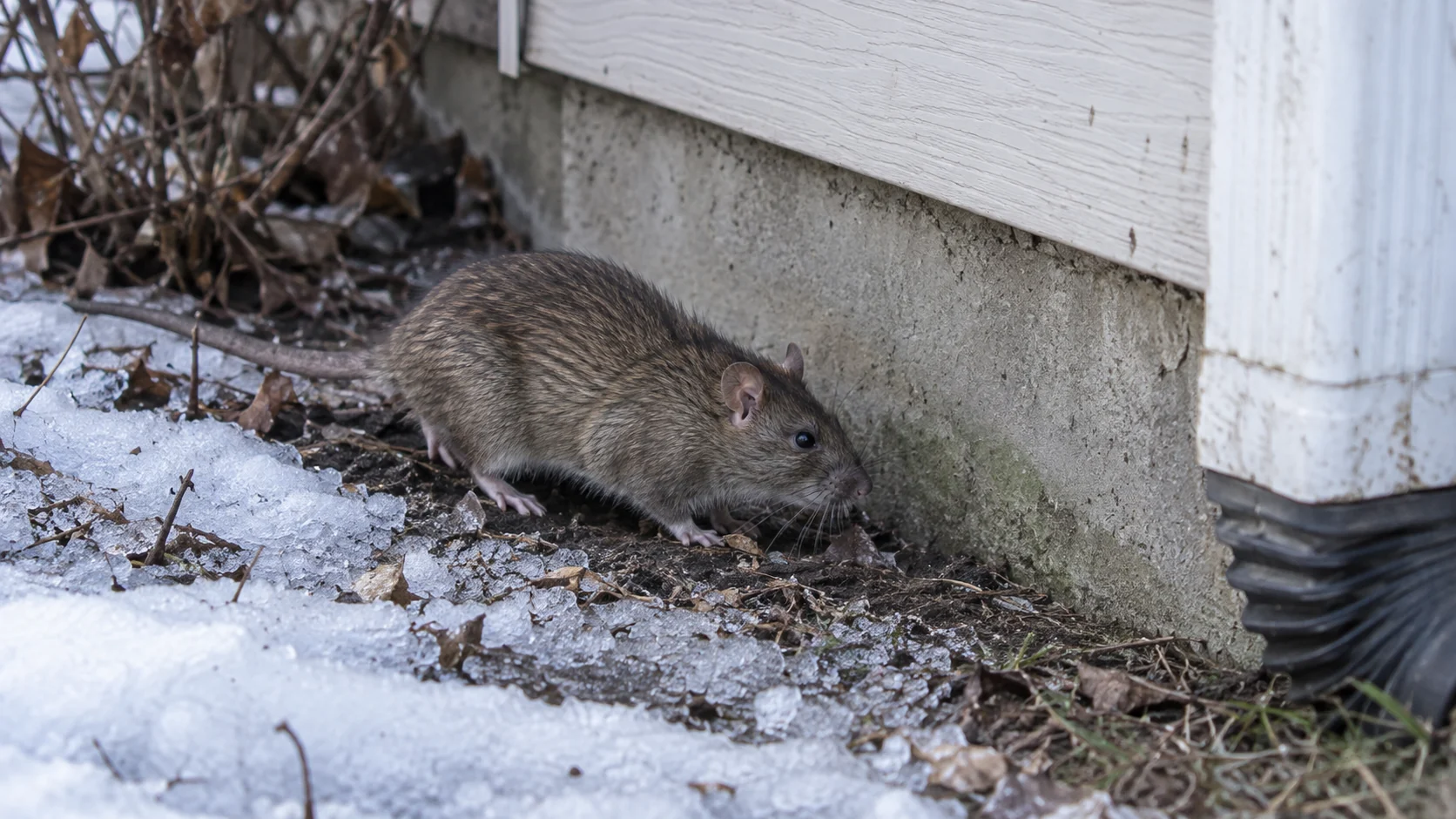
Rats do not hibernate in winter.
Norway rats and roof rats remain active.
In many parts of the United States, winter can make rat activity around homes more noticeable because buildings provide:
- stable shelter
- food
- water
- nesting areas
- protection from wind, rain, snow, and freezing temperatures
Some rats move closer to buildings as outdoor conditions become less favorable.
Others were already living:
- under a deck
- beneath a house
- in a crawl space
- inside a garage
- in an attic
- in wall voids
- in exterior burrows
before winter arrived.
That distinction matters.
A rat seen in January did not necessarily enter that day.
The practical response is to identify fresh activity, control rats already using the property, reduce food and water, inspect shelter and entry routes, and repair confirmed openings at the right time.
Why Do Rats Enter Homes in Winter?
Winter can change the value of shelter.
A house or attached structure may offer:
More stable temperatures
Buildings reduce exposure to:
- cold wind
- snow
- freezing rain
- rapid temperature changes
Reliable food
Rats may feed on:
- garbage
- pet food
- bird seed
- stored feed
- spilled grain
- pantry food
- fallen fruit that remains accessible
Water
Possible sources include:
- leaks
- pet bowls
- utility-room moisture
- crawl-space moisture
- exterior standing water
Protected nesting areas
Rats may use:
- crawl spaces
- basements
- garages
- wall voids
- attics
- under-deck shelter
- burrows beside structures
These resources can keep rat activity going through winter.
Do Rats Hibernate in Winter?
No.
Norway rats and roof rats remain active.
They continue:
- feeding
- traveling
- nesting
- exploring
- reproducing when conditions allow
A winter cold spell does not make an established rat population disappear.
See Rat Season: When Rat Problems Get Worse for the broader seasonal pattern.
Do Rats Breed During Winter?
They can.
Rats living in protected indoor or sheltered environments may continue breeding when they have:
- food
- water
- nesting space
- tolerable temperatures
See How Fast Do Rats Reproduce? for reproductive timing.
Winter may reduce outdoor activity in some climates, but it does not automatically stop reproduction.
Do All Winter Rats Come From Outside?
No.
Some rats enter or shift closer to buildings during fall and winter.
Others were already established.
A rat population may:
- live under a structure
- use a crawl space
- move between a garage and yard
- nest in an attic
- travel through walls
- use exterior burrows all year
A winter sighting proves current activity.
It does not prove recent entry.
Norway Rats in Winter
Norway rats are strongly associated with:
- ground-level routes
- basements
- crawl spaces
- foundations
- garages
- burrows
In winter, they may favor shelter that protects them from:
- cold
- wind
- wet soil
- snow
They may continue using exterior burrows if conditions remain suitable.
See Norway Rat: Identification, Signs & Control.
Roof Rats in Winter
Roof rats are more strongly associated with:
- attics
- rooflines
- trees
- fences
- upper wall routes
In warm climates, they may remain active outdoors through winter with relatively little seasonal change.
In cooler regions, sheltered attic and building routes may become more valuable.
See Roof Rat: Identification, Signs & Control.
Why Rat Problems Become More Noticeable in Winter
Several factors can increase visibility.
Shelter becomes more concentrated
Rats may spend more time near:
- buildings
- crawl spaces
- garages
- protected exterior edges
Food changes
Natural or seasonal food may become less available.
People spend more time indoors
Homeowners may notice:
- scratching
- droppings
- gnawing
- sightings
more often.
Snow or bare vegetation reveals movement
Tracks and routes may become easier to notice.
A winter problem can therefore be:
- newly started
- newly noticed
- already established
Where Do Rats Hide in Winter?
Rats choose areas with:
- cover
- food access
- water
- nesting material
- protected routes
Common locations include:
- garages
- basements
- crawl spaces
- attics
- wall voids
- under decks
- under houses
- exterior burrows
- sheds
- utility areas
Fresh evidence usually gives the best clue to which area is active.
Why Rats Use Garages in Winter
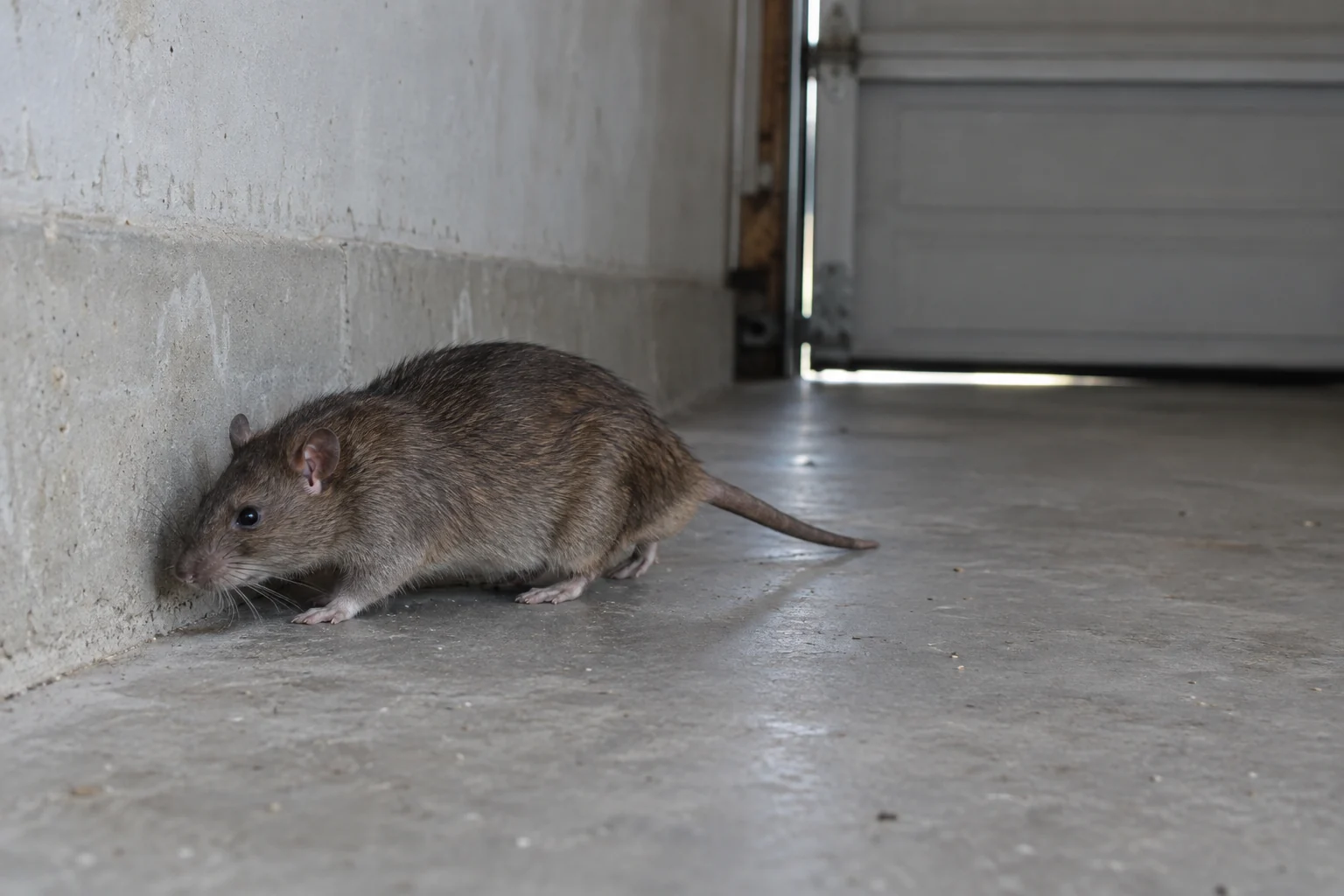
Garages can provide:
- shelter
- storage
- food
- wall routes
- door-edge access
- utility penetrations
Rats may be attracted by:
- pet food
- bird seed
- garbage
- stored feed
See Rats in the Garage.
Why Rats Use Basements in Winter
Basements provide:
- stable temperatures
- foundation access
- wall-edge travel
- utility penetrations
Norway rats moving along exterior foundations may find basement routes.
See Rats in the Basement.
Why Rats Use Crawl Spaces in Winter
Crawl spaces can provide:
- protected foundation routes
- insulation
- plumbing access
- nesting shelter
- moisture
Do not enter a crawl space that is:
- flooded
- electrically hazardous
- unstable
- heavily contaminated
- too tight for safe movement
Why Roof Rats Use Attics in Winter
Attics provide:
- shelter
- insulation
- nesting material
- elevated routes
Roof rats may reach attics through:
- roofline defects
- soffits
- vents
- siding transitions
- wall cavities
See Rats in the Attic.
Do not attempt unsafe roof or attic access in snow, ice, or unstable conditions.
Why Rats Use Walls
Wall voids can connect:
- basements
- crawl spaces
- kitchens
- attics
- garages
Rats may travel through hidden utility or framing routes.
You may hear movement without seeing the animal.
See Rats in Walls.
Do Rats Stay Under Decks in Winter?
They can.
Decks may provide:
- cover
- wind protection
- protected travel
- nearby food
See Rats Under a Deck.
Do not crawl into unsafe low-clearance spaces or use improvised burrow treatments.
Can Rats Stay Under a House Through Winter?
Yes.
Under-house areas may provide:
- shelter
- crawl-space access
- utility routes
- protected soil
See Rats Under the House.
Cold weather does not guarantee those areas become inactive.
Do Rat Burrows Stay Active in Winter?
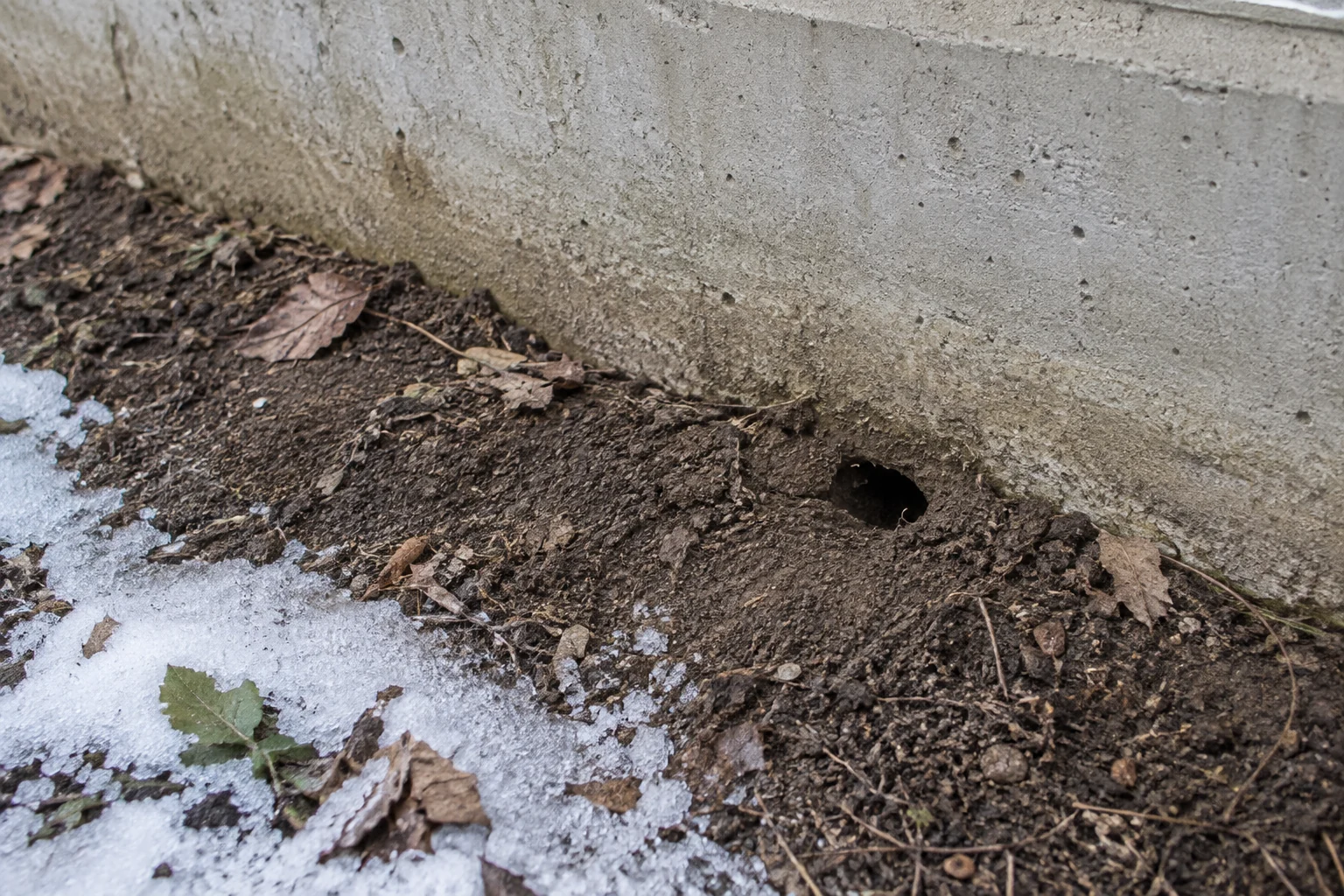
They can.
Norway rats may continue using burrows when the soil and shelter remain suitable.
A burrow may be located near:
- foundations
- sheds
- decks
- dense cover
- garbage areas
Fresh soil, tracks, droppings, and repeated activity can help show whether a burrow is active.
Do not assume one burrow equals one rat.
Do not flood, smoke, burn, gas, or pour chemicals into burrows.
What Are the Signs of Rats in Winter?
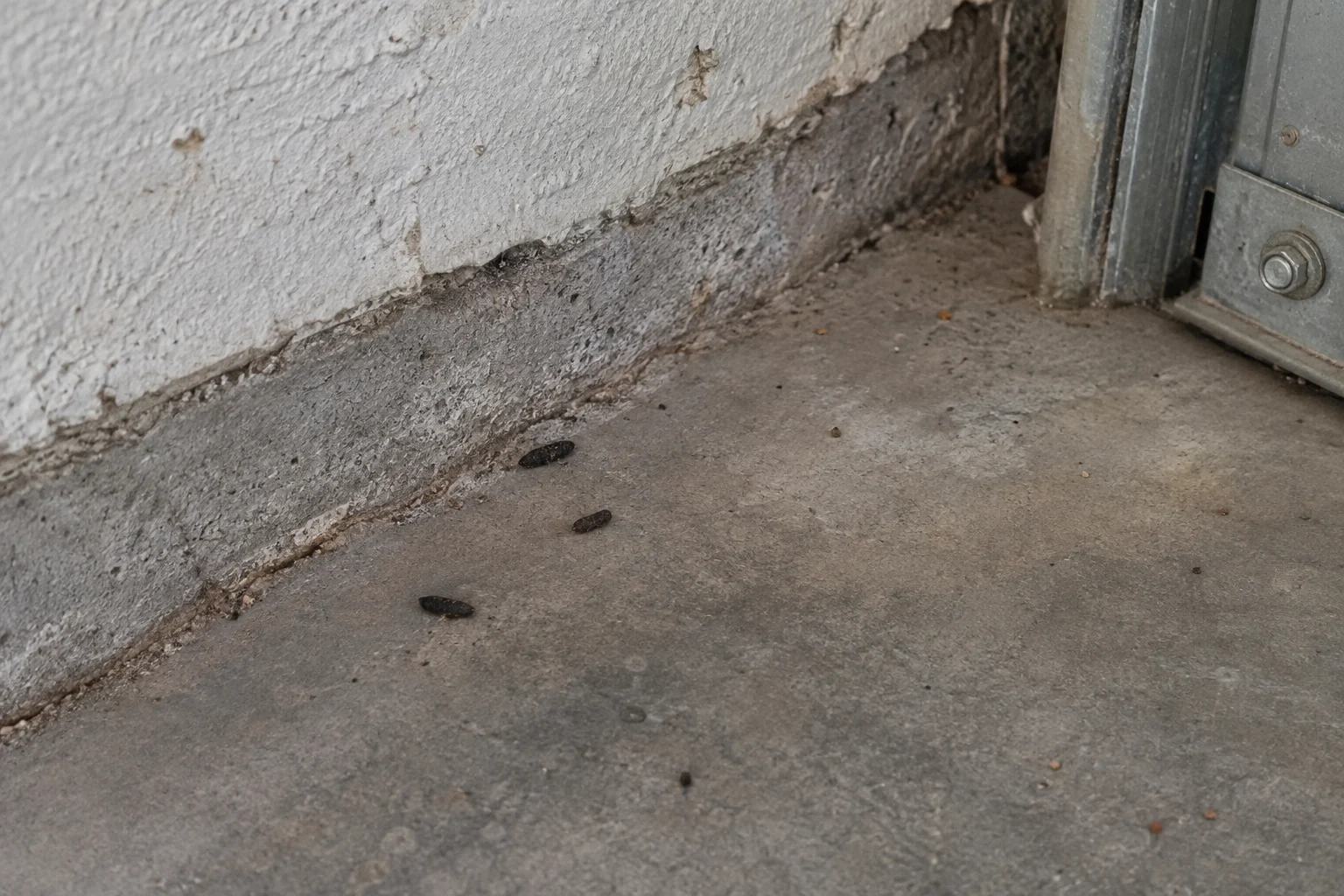
Fresh winter signs may include:
- new droppings
- gnawing
- tracks
- rub marks
- scratching
- repeated sightings
- active burrows
- fresh nesting material
See Signs of Rats in the House.
The important question is:
Is fresh evidence still appearing?
Do Old Droppings Mean Rats Are Still There?
Not necessarily.
Old droppings show past activity.
Look for:
- new deposits
- repeated evidence in the same area
- active routes
- current gnawing
- current trap activity
See Rat Droppings.
Do not estimate exact population from droppings.
Do Rat Tracks in Snow Help?
They can provide context.
Tracks may show travel toward:
- a garage
- crawl-space vent
- deck
- shed
- foundation
- garbage area
But tracks do not prove:
- exact population
- exact entry point
- how long rats have been present
Use them as one inspection clue.
Does One Rat in Winter Mean an Infestation?
Not automatically.
One rat may be:
- newly arrived
- one of several
- a juvenile
- an adult
- moving between exterior and interior shelter
The sighting alone does not reveal population size.
Look for fresh evidence across connected areas.
Does a Daytime Rat in Winter Mean the Problem Is Severe?
Not necessarily.
Daytime activity may occur because of:
- disturbance
- food access
- competition
- route changes
- nesting behavior
See Seeing a Rat During the Day.
A daytime sighting is useful evidence.
It is not an exact severity score.
What Should You Do After Seeing a Rat in Winter?
Start where the rat was seen.
Look for:
- fresh droppings
- gnawing
- tracks
- rub marks
- food access
- wall-edge routes
- entry gaps
- burrow activity
Then:
- secure food
- reduce accessible water
- use appropriate rat traps on active routes
- monitor for fresh evidence
- inspect likely entry points
- repair confirmed openings when it is safe
Do not seal every opening immediately if rats are still active inside.
Should You Use Rat Traps in Winter?
Mechanical traps can be useful when placed correctly.
Use rat-sized devices.
They should be:
- stable
- retrievable
- placed on active routes
- protected from children and pets where needed
- protected from wildlife if used in exposed exterior areas
See Rat Traps: Types, Placement & Safety.
Where Should Winter Rat Traps Go?
Follow evidence.
Possible locations include:
- garage wall routes
- basement foundation edges
- accessible crawl-space service areas
- protected attic routes
- interior wall edges
Avoid:
- inaccessible voids
- moving machinery
- active HVAC airflow
- electrical hazards
- places where children or pets can reach powerful traps
A trap that cannot be checked safely is a poor placement.
Should You Use Poison for Winter Rats?
Rodenticides are pesticides.
They are not required for every rat problem.
If a rodenticide is used, the product label controls how and where it may be used.
Do not:
- scatter loose bait
- make homemade poison
- place exposed rodenticide where children, pets, or wildlife can reach it
- put rodenticide in active HVAC airflow
- place poison in inaccessible appliance or wall cavities
Indoor poisoned rats may die in inaccessible areas.
Why Food Control Matters in Winter
Reliable food can keep rats close to a property.
Secure:
- garbage
- pet food
- bird seed
- livestock feed
- stored grain
- pantry food
Clean spills.
Pick up fallen fruit where practical.
Sanitation supports control.
It does not replace trapping or exclusion.
Why Water Matters in Winter
Rats still need water.
Possible sources include:
- plumbing leaks
- pet bowls
- condensation
- irrigation
- crawl-space moisture
Fix accessible leaks safely.
Do not work around:
- energized electrical equipment
- unsafe plumbing
- gas systems
- flooded spaces
without appropriate qualifications.
Should You Seal Rat Entry Points During Winter?
Yes—but timing matters.
If rats are active indoors, do not blindly seal them inside.
A practical sequence is:
- identify active routes
- control rats already inside
- close confirmed entry points
- monitor afterward
See Rat Entry Points: Where Rats Get In.
What Entry Points Matter in Winter?
Common routes include:
- garage-door corners
- crawl-space vents
- foundation gaps
- utility penetrations
- siding transitions
- soffits
- roofline defects
- damaged doors
See How Rats Get in the House.
Repairs should preserve:
- ventilation
- drainage
- door operation
- utility access
- combustion air where required
Can You Rat-Proof a House During Winter?
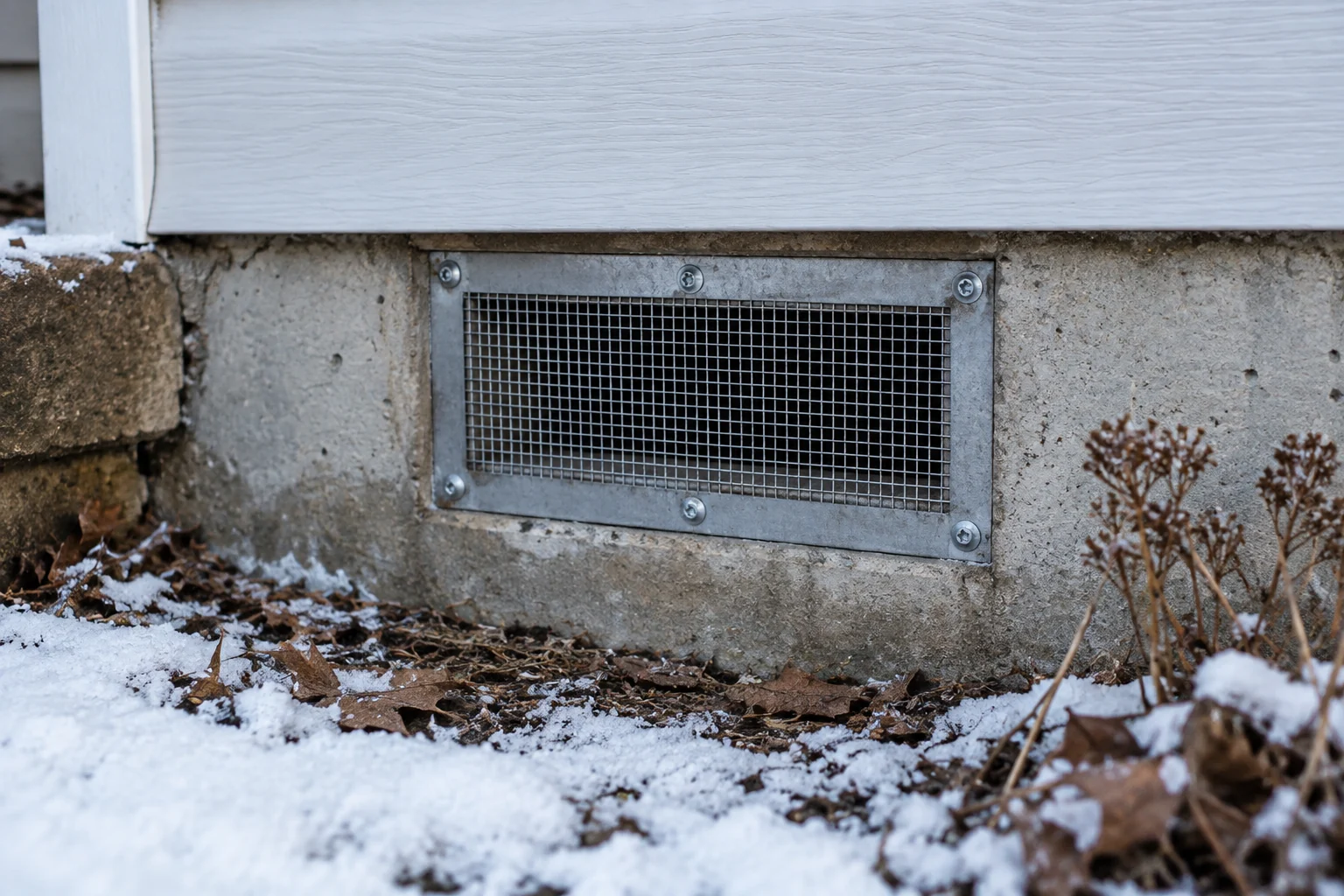
Often yes.
Accessible winter repairs may include:
- repairing a lower door gap
- securing a damaged vent screen
- closing an accessible foundation opening
- correcting a simple wall penetration
But winter can limit:
- roof access
- ladder safety
- sealant performance
- excavation
- inspection under snow
See Rat-Proofing a House.
Do not attempt unsafe roof or ladder work in snow or ice.
What If Snow Covers the Exterior?
Do not guess at hidden openings.
Snow can cover:
- lower foundation gaps
- tracks
- burrow entrances
- utility details
Focus on safe accessible areas first.
A more complete exterior inspection may be easier after snow or ice clears.
What If a Rat Burrow Is Covered by Snow?
Do not dig aggressively just to locate it.
If you know the general area, monitor for:
- tracks
- fresh openings
- disturbed snow
- new soil
Do not use water, smoke, gases, exhaust, gasoline, chemicals, fire, or boiling water.
Professional assessment may be appropriate near foundations or utilities.
What If Rats Keep Returning Every Winter?
Recurring winter activity usually points to a persistent vulnerability.
Possible causes include:
- the same entry gap
- the same crawl-space vent
- the same garage route
- recurring food
- exterior shelter
- neighborhood rat pressure
Look for patterns from year to year.
Repeated trapping without fixing the route often leads to another winter problem.
See How to Keep Rats Out.
Does a Quiet Summer Mean the Rats Were Gone?
Not necessarily.
Rats may:
- shift routes
- spend more time outdoors
- use neighboring properties
- become less visible
A quiet season does not prove the property is rat-proof.
Continue monitoring and exclusion maintenance.
Will Winter Rats Leave in Spring?
Do not assume they will.
A rat living in:
- a crawl space
- attic
- wall void
- garage
- protected exterior shelter
may remain after temperatures rise.
If the property still provides:
- food
- water
- shelter
there may be little reason for the rat to leave.
How Long Can Rats Stay Around a House in Winter?
Rats can remain for the entire winter.
Some may use the property year-round.
The useful question is not how long one rat can live.
It is whether fresh activity continues.
What If You Find a Rat Nest in Winter?
A rat nest may indicate active or recent shelter.
Possible locations include:
- crawl spaces
- attics
- wall voids
- stored material
- sheltered exterior areas
See Rat Nests.
Do not disturb contaminated material dry.
If rats are still active, control may need to come before full cleanup.
How Should You Clean Rat Droppings in Winter?
Do not dry sweep or vacuum fresh rodent waste as the first step.
Use an appropriate wet-cleanup method for the surface.
Keep children and pets away.
Follow disinfectant label instructions.
If contamination is extensive, professional cleanup may be appropriate.
Does Winter Make Rat Control Harder?
It can.
Winter may complicate:
- roof inspection
- crawl-space access
- frozen exterior repairs
- burrow assessment
- snow-covered foundations
But winter can also make active routes easier to notice through:
- tracks
- concentrated indoor activity
- recurring shelter use
A winter control plan can still be effective.
When Should You Call a Professional?
Professional help may make sense when:
- rat activity continues
- several areas show fresh evidence
- burrows are active near the structure
- attic or crawl-space activity is involved
- entry points are unclear
- trapping is not reducing activity
- children, pets, or wildlife complicate device placement
- repairs require difficult access
- contamination is widespread
See Professional Rat Control: Methods & What to Expect.
Rats in Winter: The Bottom Line
Rats do not hibernate.
Norway rats and roof rats can remain active throughout winter.
In many colder parts of the United States, winter can increase pressure around buildings because they provide:
- shelter
- stable temperature
- food
- water
- nesting areas
But a rat seen in winter may have:
- just arrived
- moved closer during fall
- been born on the property
- lived around the structure for months
Do not guess based on season alone.
Look for fresh evidence.
Then:
- secure food
- reduce water
- use rat-sized traps on active accessible routes
- inspect burrows and shelter safely
- identify entry points
- close confirmed openings at the right time
- continue monitoring
Do not wait for spring and assume the rats will disappear on their own.
Continue with our rat season guide, Norway rat guide, roof rat guide, rat traps guide, rat entry points guide, or professional rat control guide.