Are Mice Dangerous? Health & Property Risks
Mice can create real health and property risks in a home.
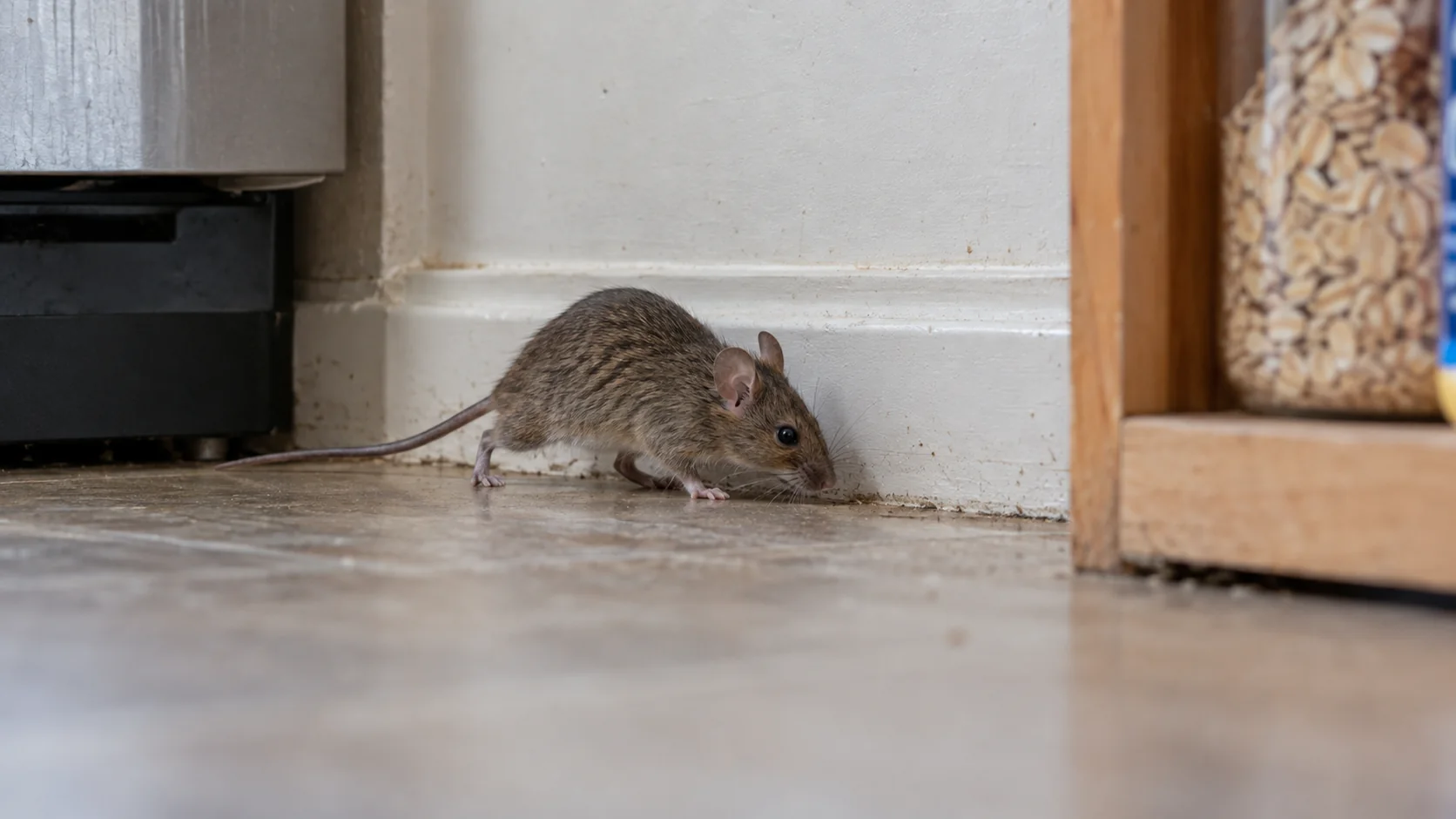
Mice can create real health and property risks in a home.
But that does not mean every mouse sighting is an emergency.
The level of risk depends on:
- which mouse species is present
- how much contamination exists
- where the activity is occurring
- whether food or food-contact surfaces are involved
- whether droppings, urine, or nesting material are being disturbed
- whether wiring, insulation, or building materials are being damaged
- who is being exposed
A single mouse seen once is very different from heavy contamination in a kitchen, attic, or crawl space.
The practical goal is to remove active mice, clean contamination safely, protect food, and close entry points without exaggerating the risk.
Are Mice Dangerous to People?
They can be.
The main concerns are:
- contamination from droppings and urine
- contamination of food and food-contact surfaces
- allergens
- bites in unusual situations
- pathogens associated with some rodent species
- property damage from gnawing and nesting
The actual chance of illness depends on the type and amount of exposure.
Seeing a mouse run across a room is not the same as breathing dust from heavily contaminated nesting material.
Do All Mice Carry Disease?
No.
Not every mouse carries the same pathogens.
Risk varies by:
- species
- location
- individual animal
- environmental conditions
- type of exposure
For homeowners, it is better to treat rodent contamination carefully than to assume a particular disease is present.
Are House Mice Dangerous?
House mice can contaminate living areas with:
- droppings
- urine
- nesting material
- hair
They can also damage:
- food packaging
- insulation
- wood
- stored materials
- wiring
House mice may also carry organisms that can affect human health.
That does not mean every house mouse is infected or that every contact causes illness.
See House Mouse: Identification, Signs & Control.
Are Deer Mice More Concerning?
Deer mice deserve special attention because some deer-mouse populations in North America can carry hantaviruses.
That does not mean every deer mouse is infected.
And it does not mean every mouse found indoors is a deer mouse.
Correct identification matters.
See Deer Mouse: Identification, Habitat & Risks and Deer Mouse vs House Mouse.
Can Mice Spread Disease Through Droppings?
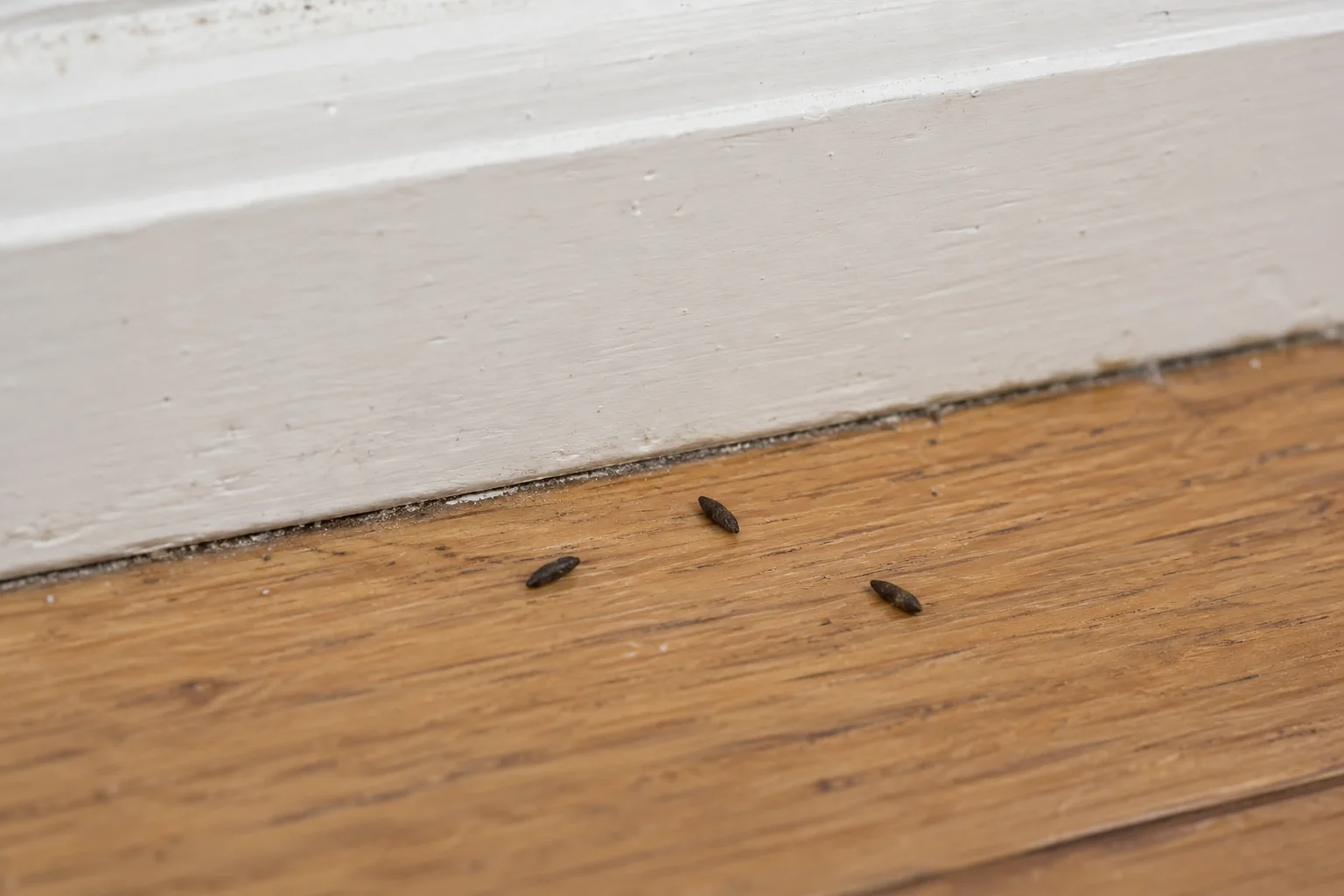
Rodent droppings can contaminate surfaces and materials.
The risk is not only from touching a dropping.
Disturbing dry contaminated material can also spread dust.
That is why fresh rodent contamination should not be dry swept or vacuumed as the first cleanup step.
See Mouse Droppings: What They Look Like & Where to Find Them.
Can Mouse Urine Be a Health Risk?
Mouse urine can contaminate:
- floors
- shelves
- boxes
- food packaging
- nesting areas
It can also contribute to odor and allergens.
The presence of urine does not identify a specific disease.
Treat contaminated surfaces with appropriate wet cleanup.
See Mouse Urine Smell: What It Smells Like & How to Find the Source.
Are Mouse Nests Dangerous?
A mouse nest may contain:
- shredded material
- droppings
- urine
- hair
- food debris
The main risk comes from contamination and how the material is handled.
Do not pull apart a dry nest and shake it indoors.
If cleanup is appropriate and safe, use a wet method.
See Mouse Nests: What They Look Like & Where to Find Them.
Can Mice Contaminate Food?
Yes.
Mice can reach:
- cereal
- grain
- pet food
- bird seed
- snacks
- pantry goods
They may contaminate packaging or nearby surfaces with:
- urine
- droppings
- hair
Food that has clear rodent contamination should not be eaten.
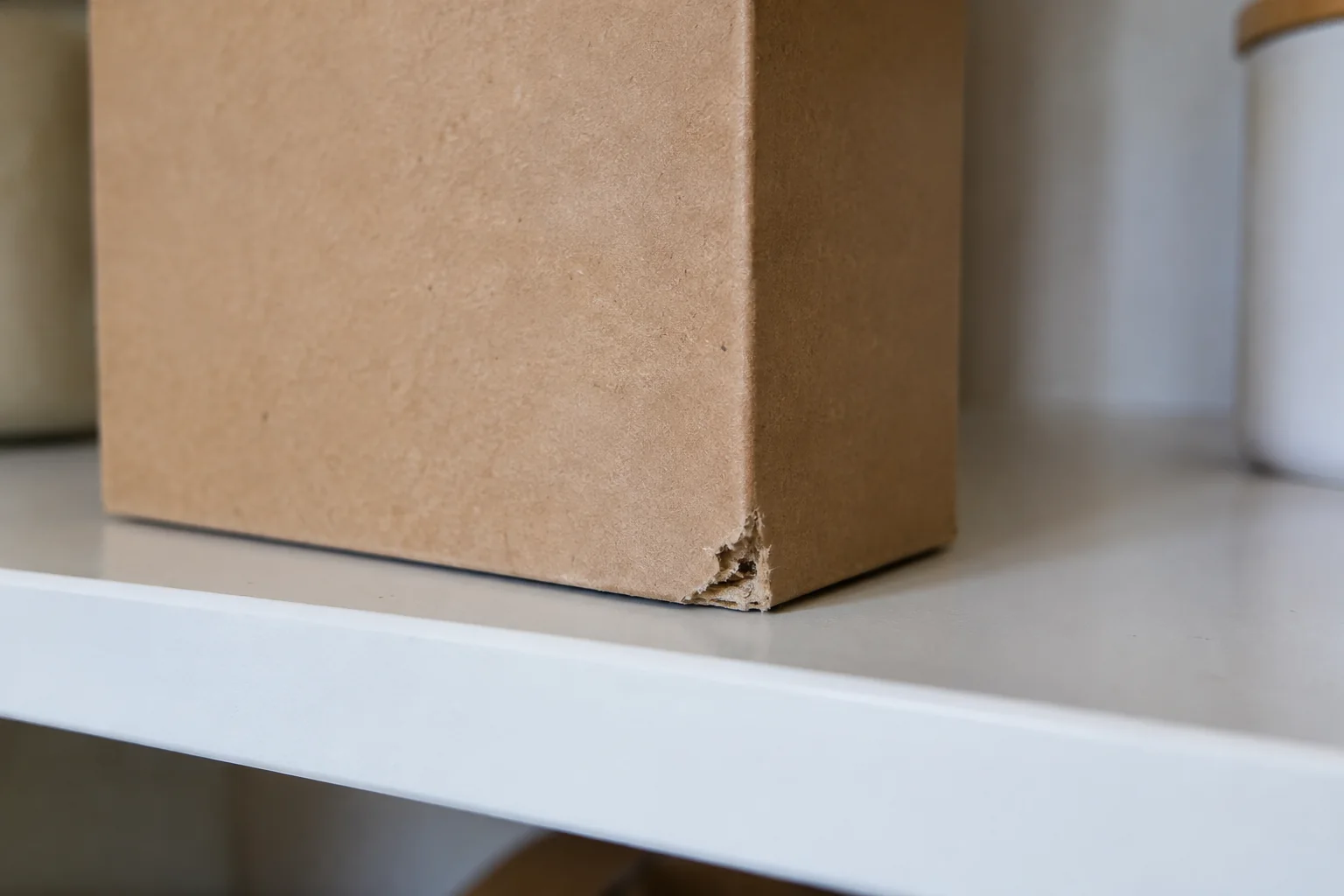
Discard food when the package has:
- gnaw damage
- holes
- droppings inside
- visible contamination
Protect replacement food in durable containers where practical.
Are Mice in the Kitchen More Concerning?
Kitchen activity matters because it can involve:
- food
- dishes
- counters
- cabinets
- appliances
- food-storage areas
Fresh contamination on food-contact surfaces should be addressed promptly.
See Mice in the Kitchen.
Can Mice Cause Foodborne Illness?
Rodents can contaminate food and surfaces with microorganisms.
But a homeowner usually cannot tell which organism is present from appearance or smell.
The safe approach is to:
- discard clearly contaminated food
- clean affected surfaces appropriately
- remove active mice
- protect stored food
Do not try to diagnose a specific illness from rodent evidence.
What Is Hantavirus Risk From Mice?
In the United States, hantavirus risk is more strongly associated with certain wild rodents, including deer mice, than with the typical house mouse.
Exposure can occur when contaminated rodent urine, droppings, or nesting material is disturbed.
That is one reason dry sweeping or vacuuming fresh contamination is discouraged.
A mouse sighting by itself does not mean hantavirus exposure occurred.
If you are concerned about a significant rodent exposure and later become ill, contact a healthcare professional and mention the exposure.
Can House Mice Carry LCMV?
House mice can be associated with lymphocytic choriomeningitis virus, often shortened to LCMV.
That does not mean every house mouse carries it.
The practical prevention steps remain the same:
- avoid direct contact
- clean contamination safely
- remove active mice
- prevent re-entry
People with specific health concerns, including pregnancy-related concerns, should discuss meaningful rodent exposure with a healthcare professional.
Can Mouse Allergens Affect Asthma or Allergies?
Yes.
Mouse allergens can come from:
- urine
- dander
- hair
- contaminated dust
These allergens can worsen symptoms in susceptible people.
Risk tends to be more relevant when mouse activity is established and contamination is present.
Reducing rodent activity and contaminated dust can help reduce exposure.
Can Mice Bite People?
They can, but mouse bites are uncommon in ordinary household situations.
A mouse is more likely to:
- flee
- hide
- avoid people
Bites may happen if a mouse is:
- trapped
- handled
- cornered
Do not pick up a live mouse with bare hands.
If a bite occurs, wash the area and contact a healthcare professional if you have concerns about wound care, infection, vaccination status, or unusual symptoms.
Are Mouse Bites an Emergency?
Not automatically.
The appropriate response depends on:
- wound depth
- bleeding
- location
- contamination
- the person's health
Serious wounds or concerning symptoms need medical attention.
Do not use a pest-control article to self-diagnose a medical problem.
Can Mice Bring Fleas or Other Parasites Indoors?
Rodents can carry external parasites.
That does not mean every mouse brings fleas, mites, or ticks into a home.
If unusual biting insects are appearing along with rodent activity, the rodent source should be addressed.
Persistent insect problems may require separate identification.
Can Mice Damage a House?
Yes.
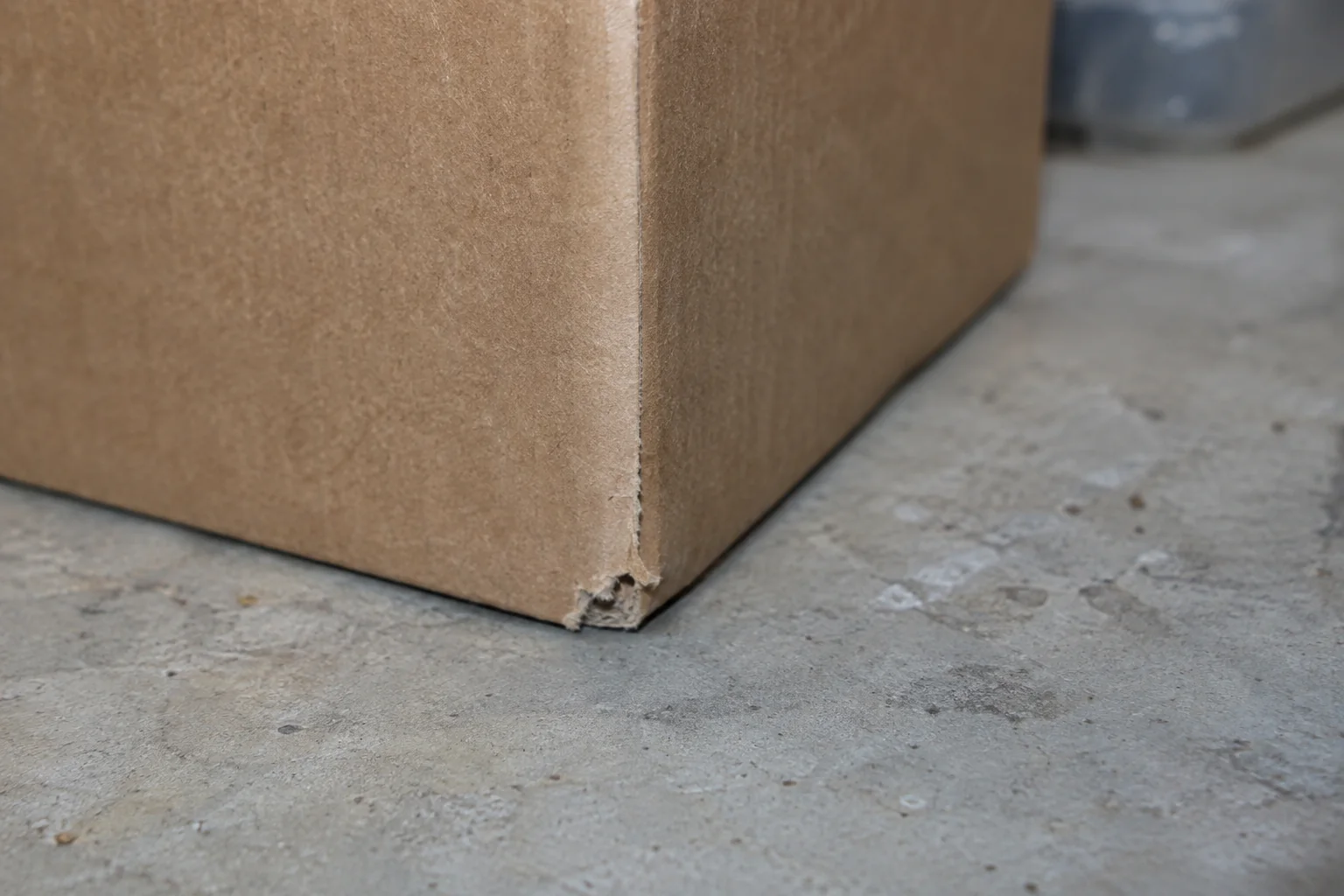
Mice gnaw because their incisors continue growing.
They may damage:
- cardboard
- food packaging
- wood
- insulation
- plastic
- stored materials
- some wiring
See Mouse Gnaw Marks: What They Look Like.
Can Mice Damage Electrical Wiring?
They can gnaw wire insulation.
That can create an electrical hazard.
Do not touch damaged wiring if:
- conductors are exposed
- the circuit status is unknown
- the area is damp
- damage is inside an inaccessible wall or equipment
An electrician may be needed for damaged electrical systems.
Do not claim that every gnawed wire will cause a fire.
Can Mice Damage Insulation?
Yes.
Mice may:
- tunnel through insulation
- compress it
- use it as nesting material
- contaminate it with urine and droppings
See Mice in Insulation.
Localized contamination may be removable.
Do not automatically replace all insulation without assessing the actual affected area.
Can Mice Damage Stored Items?
Yes.
Mice may chew or nest in:
- boxes
- paper
- fabric
- stored clothing
- packing material
Garage, basement, and attic storage can provide both shelter and nesting material.
Are Mice Dangerous to Pets?
Pets can encounter mice, traps, contaminated areas, or rodenticides.
The biggest practical precautions are:
- keep pets away from contamination
- protect traps
- use pesticides only according to the label
- do not leave loose rodenticide accessible
- keep contaminated food away from pets
If a pet bites or eats a rodent or suspected bait, contact a veterinarian when appropriate.
Are Mice Dangerous to Children?
Children can have more contact with:
- floors
- toys
- low cabinets
- play areas
Keep children away from:
- fresh droppings
- nests
- traps
- rodenticides
- dead rodents
Clean contaminated child-accessible surfaces before normal use resumes.
What About Mice in Bedrooms?
A bedroom mouse is usually trying to access shelter or food.
The main concerns are:
- contamination
- food left in the room
- nesting
- ongoing activity
Remove food, inspect routes, and control the mice.
A single bedroom sighting does not mean the mouse will attack a sleeping person.
Are Mice in Attics Dangerous?
Attics can accumulate contamination over time.
Risks include:
- droppings
- urine
- nesting
- damaged insulation
- gnawing
- unsafe access
See Mice in the Attic.
Do not enter unsafe attic areas or step on unsupported ceiling drywall.
Are Mice in Crawl Spaces Dangerous?
Crawl spaces can combine rodent contamination with:
- moisture
- electrical hazards
- tight access
- unstable surfaces
Do not enter a crawl space that is wet, electrically hazardous, unstable, heavily contaminated, or too tight for safe movement.
Are Dead Mice Dangerous?
A dead mouse should not be handled with bare hands.
The main practical concerns are:
- contaminated surfaces
- odor
- insects
- safe removal
See Dead Mouse Smell: How Long It Lasts & What to Do.
A bad odor alone does not prove a dangerous airborne exposure.
How Should You Clean Mouse Droppings Safely?
Do not dry sweep or vacuum fresh rodent droppings as the first step.
For an accessible area:
- keep children and pets away
- ventilate the space when practical
- wear suitable gloves
- wet the droppings and contaminated area with an appropriate disinfectant used according to its label
- allow the required contact time
- wipe up contaminated material with disposable towels
- bag waste
- wet-clean the surface
- wash gloved hands before removing gloves
- wash bare hands afterward
Do not mix cleaning chemicals.
Should You Vacuum Mouse Droppings?
Not as the first step when contamination is fresh or undisturbed.
Dry vacuuming can disturb contaminated dust.
After appropriate wet cleanup and when the surface is dry, later cleaning needs depend on the material and situation.
For extensive contamination, professional cleanup may be more appropriate.
Do You Need a Respirator for Mouse Cleanup?
The level of protection depends on:
- amount of contamination
- ventilation
- location
- type of work
A few droppings on an accessible hard surface are different from heavy attic or crawl-space contamination.
For extensive contamination or difficult confined spaces, professional cleanup may be the safer option.
Do not treat one PPE setup as universally sufficient for every situation.
Is Bleach Required?
No single cleaner is appropriate for every surface.
Use an appropriate disinfectant according to its label.
Do not mix bleach with other chemicals.
Do not make improvised cleaning recipes.
The product's label and surface compatibility matter.
Should You Spray Pesticide on Mouse Droppings?
No.
Dropping cleanup is a sanitation task.
Pesticides are for pest control and must be used according to their labels.
Do not spray pesticide on contamination as a substitute for cleaning.
Does Cleaning Make the Area Completely Safe?
Cleaning can substantially reduce contamination.
But no ordinary household process should be described as making an area perfectly sterile or zero-risk.
The practical goal is:
- remove contamination
- reduce exposure
- control the mice
- prevent new contamination
When Is Mouse Contamination Serious Enough for Professional Cleanup?
Professional cleanup may make sense when:
- contamination is widespread
- an attic or crawl space is heavily affected
- porous insulation is extensively contaminated
- HVAC components may be involved
- the area is difficult to access safely
- odor and contamination remain after ordinary localized cleanup
See Professional Rodent Cleanup.
What If Mouse Contamination Is Near HVAC?
Do not spray disinfectant or deodorizer into ducts or air handlers.
Do not place traps or poison in active airflow.
If contamination appears inside:
- ductwork
- an air handler
- HVAC insulation
a qualified HVAC or duct professional may need to inspect it.
When Should You Seek Medical Advice?
Seek medical advice when appropriate after:
- a mouse bite
- significant exposure to heavy rodent contamination
- concerning symptoms after rodent exposure
- a situation where pregnancy, immune status, or another medical factor increases concern
Tell the healthcare professional about the rodent exposure.
Do not use the appearance of droppings or the species guess alone to diagnose illness.
Does One Mouse Mean Your Home Is Unsafe?
Not automatically.
One mouse means there is at least one rodent using the property.
It does not tell you:
- how many mice exist
- how long they have been there
- whether meaningful contamination exists
See Does One Mouse Mean You Have an Infestation?.
Inspect the evidence before deciding how serious the problem is.
What Makes a Mouse Problem Higher Risk?
Concern increases when you find:
- heavy droppings
- widespread nesting
- food contamination
- child-accessible contamination
- extensive attic or crawl-space contamination
- damaged wiring
- HVAC involvement
- recurring activity despite control
That is very different from one isolated sighting with no other evidence.
How Do You Reduce Mouse Risks?
A complete approach includes:
Control active mice
Use appropriate control methods on active routes.
Protect food
Use durable containers and clean spills.
Clean contamination safely
Use wet cleanup.
Reduce shelter
Remove unnecessary clutter and nesting material where practical.
Exclude mice
Close confirmed entry points at the right time.
Monitor
Watch for fresh evidence after control.
When Should You Call a Professional?
Professional help may make sense when:
- mice keep returning
- contamination is extensive
- attic or crawl-space access is difficult
- wiring may be damaged
- HVAC may be contaminated
- entry points are unclear
- traps are not reducing activity
- children or pets complicate safe device placement
Service scope varies by company.
See Professional Mouse Control.
Are Mice Dangerous? The Bottom Line
Mice can create real health and property risks.
The most important concerns are:
- contaminated droppings and urine
- contaminated food
- allergens
- pathogens carried by some rodents
- bites in uncommon situations
- gnawing and property damage
But risk should not be exaggerated.
Not every mouse carries disease.
Not every sighting means a major exposure.
Not every dropping tells you which pathogen is present.
The right response is practical:
- remove active mice
- protect food
- clean contamination using a wet method
- avoid direct contact
- repair entry points
- monitor for new activity
If contamination is heavy, building systems are involved, or health concerns follow a significant exposure, get appropriate professional help.
Continue with our house mouse guide, deer mouse guide, mouse droppings guide, how to get rid of mice guide, mouse-proofing guide, or professional rodent cleanup guide.